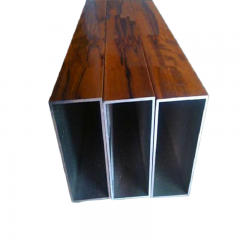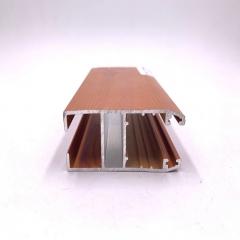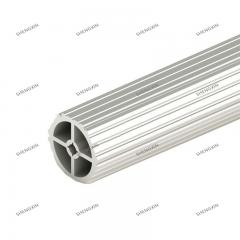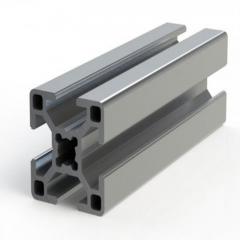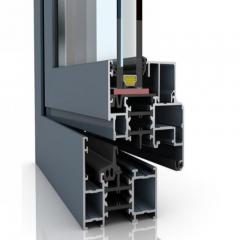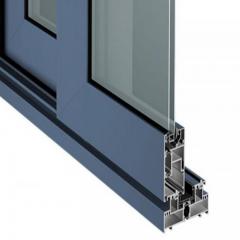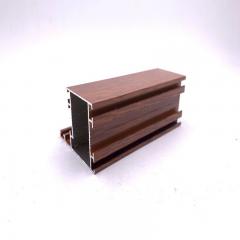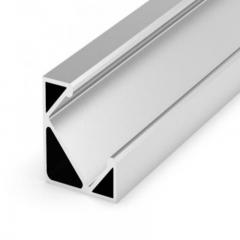
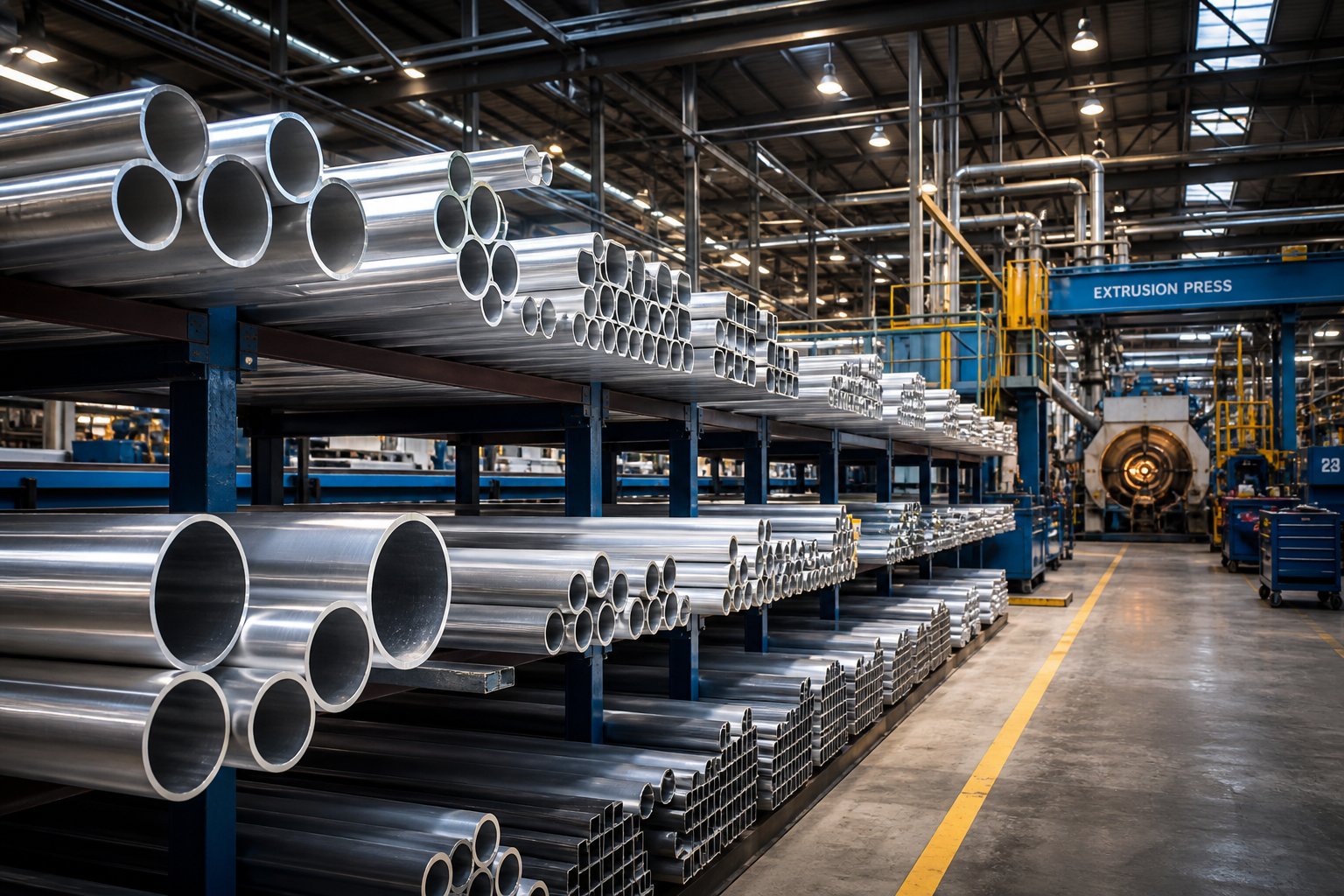
Ever wondered what makes aluminum extrusion pipes such a go-to choice across industries—from architectural facades to automotive frames? The answer lies in how they are made and the unique properties this manufacturing process delivers.
An aluminum extrusion pipe is a hollow tubular profile created by forcing heated aluminum alloy through a specially designed die. This process produces consistent cross-sections that can range from simple round aluminum tubes to complex custom shapes. When you source from aluminum extrusion pipe suppliers, you are essentially purchasing products born from one of the most versatile metalworking methods available today.
Not all aluminum pipes are created equal. Understanding the differences between production methods helps you make smarter purchasing decisions.
Extruded aluminum tubing is manufactured using a combined die welding and extrusion process. According to Chalco Aluminum, most aluminum tubes on the market are produced through this conventional method. While extruded tubes may show faint welding lines—particularly visible after oxidation—they offer excellent economic value and reliable performance for most applications.
Seamless aluminum pipes use a perforation extrusion method that eliminates weld seams entirely. This process delivers superior mechanical properties but requires stricter production controls and higher costs. Seamless options work best when maximum structural integrity is non-negotiable.
Drawn aluminum tubes undergo additional cold-working after initial extrusion, improving dimensional precision and surface quality. Meanwhile, welded pipes are formed from flat sheets rolled and welded along a seam—a method typically reserved for larger diameters where extrusion becomes impractical.
For most buyers, an extruded tube strikes the ideal balance between cost-effectiveness and performance, which explains why it dominates the market.
Imagine squeezing toothpaste through a shaped nozzle—that is essentially how aluminum extrusion works, just with significantly more heat and pressure.
The process begins with an aluminum billet, a solid cylindrical log of aluminum alloy. This billet is heated to approximately 800-925°F (427-496°C), reaching a temperature where the metal becomes soft and malleable without melting completely. Once heated, the billet transfers to the extrusion press container, where lubricant prevents sticking.
Here is where the magic happens: the press applies tremendous force—often thousands of tons—pushing the softened aluminum through a precision-engineered die. As Eagle Aluminum explains, the result is a long length of consistently shaped aluminum pipe emerging from the other side of the die, matching the die opening exactly.
After extrusion, the aluminium extrusion tube passes through several finishing stages:
The beauty of extruded aluminum pipe lies in its repeatability. Once you have a die, you can produce thousands of identical profiles with consistent quality—a critical factor when evaluating suppliers.
When assessing extruded tubing from any supplier, focus on these defining quality markers:
Understanding these fundamentals positions you to evaluate aluminum extrusion pipe suppliers more effectively—and spot the red flags that separate reliable partners from costly mistakes.
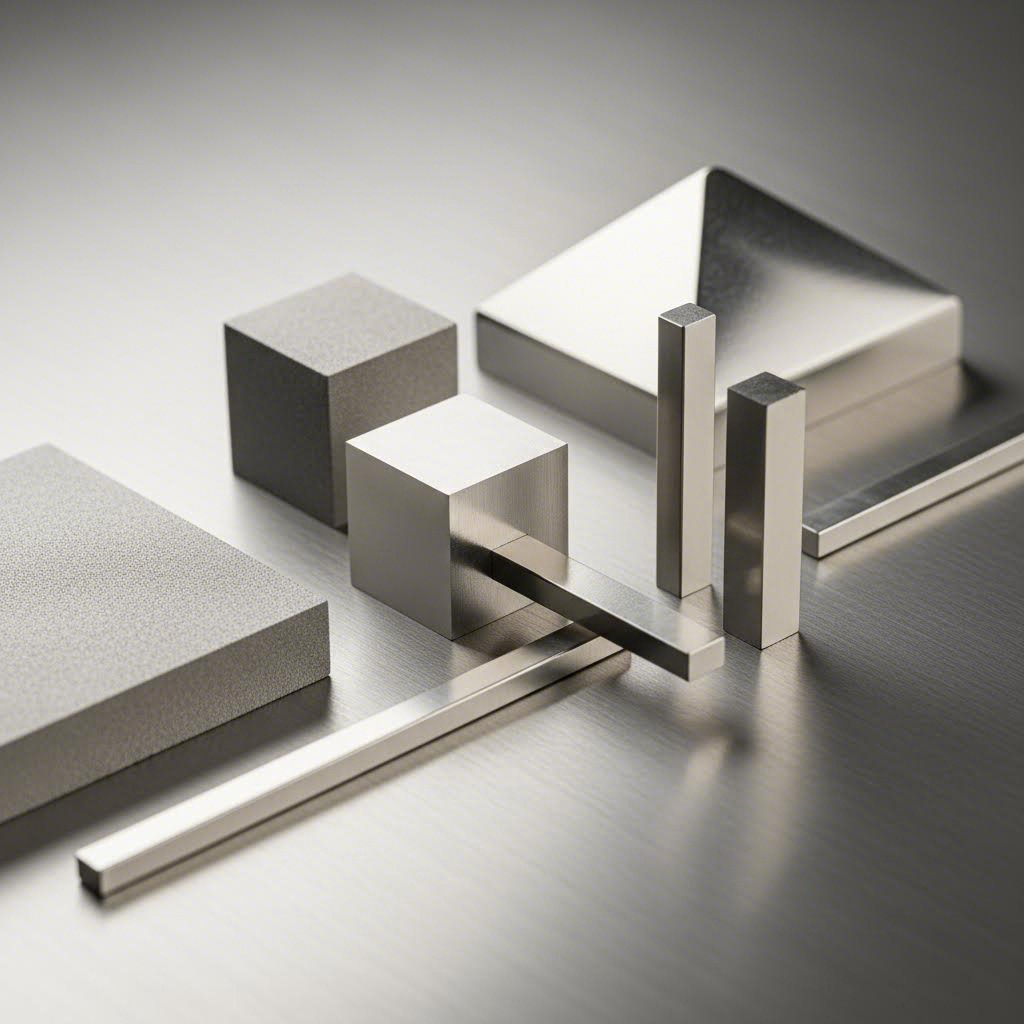
Here is a scenario every buyer dreads: you order aluminum tubing for a structural application, only to discover the alloy grade cannot handle the load requirements. The project stalls, costs escalate, and you are left wondering how a simple material specification went so wrong.
Choosing the right aluminum alloy is not just a technical checkbox—it directly impacts whether your finished product performs as intended or fails under real-world conditions. When working with aluminum extrusion pipe suppliers, understanding alloy characteristics helps you ask the right questions and avoid costly mismatches.
The 6000 series dominates the extruded aluminum tubes market, with 6061 and 6063 accounting for the vast majority of orders. But here is where many buyers stumble—these two alloys serve fundamentally different purposes.
6063 aluminum is often called the "architectural alloy" for good reason. It extrudes beautifully, producing smooth surfaces that accept anodizing and powder coating exceptionally well. If you are sourcing aluminum tubes for window frames, curtain wall systems, decorative trim, or furniture components, 6063 delivers the aesthetic finish your application demands. Its moderate strength suits applications where appearance matters more than heavy load-bearing capacity.
6061 aluminum steps up when structural integrity becomes the priority. With roughly 40% higher tensile strength than 6063, this alloy handles stress, pressure, and mechanical loads that would compromise its architectural cousin. Engineers specify 6061 for structural aluminum tubing in applications like bridge components, truck frames, marine fittings, and machinery parts where failure is not an option.
The practical difference? Imagine specifying 6063 for a load-bearing frame because it costs slightly less—only to face premature fatigue or deformation under service conditions. That initial savings evaporates quickly when replacement and liability costs enter the picture.
Beyond the 6000 series workhorses, specialty alloys address applications where standard options fall short.
7075 aluminum delivers aerospace-grade performance with one of the highest strength-to-weight ratios available. Aircraft structures, high-stress mechanical components, and performance automotive parts rely on 7075 when weight reduction and maximum strength must coexist. The trade-off? Reduced corrosion resistance compared to 6000 series alloys and significantly higher material costs. When sourcing alu pipes in 7075, expect longer lead times and minimum order quantities from most suppliers.
1100 series aluminum takes the opposite approach—prioritizing workability and corrosion resistance over strength. This commercially pure aluminum (99%+ aluminum content) offers excellent formability and superior resistance to chemical attack. Heat exchangers, food processing equipment, and chemical handling applications often specify 1100 when corrosion is the primary enemy. However, its relatively low strength limits structural applications.
Rather than memorizing alloy specifications, focus on matching material properties to your application requirements. This comparison table provides actionable selection criteria:
| Alloy Grade | Tensile Strength (ksi) | Weldability | Corrosion Resistance | Best Applications |
|---|---|---|---|---|
| 1100 | 13-18 | Excellent | Excellent | Heat exchangers, chemical equipment, food processing |
| 6063-T5 | 22-27 | Good | Very Good | Architectural profiles, window frames, decorative trim |
| 6063-T6 | 30-35 | Good | Very Good | Structural architectural, furniture frames, railings |
| 6061-T6 | 42-45 | Good | Good | Structural components, marine fittings, truck frames |
| 7075-T6 | 76-83 | Poor | Fair | Aerospace structures, high-stress mechanical parts |
Notice how weldability and corrosion resistance often trade off against strength? This is why specifying aluminum tube stock requires understanding your complete application—not just the strength numbers.
When evaluating aluminum extrusion pipe suppliers, their response to alloy questions reveals their technical competence:
A supplier who asks clarifying questions about your end-use application demonstrates the expertise that prevents specification errors—and the costly consequences that follow.
You have identified the right alloy grade and understand the extrusion process—but here is where many buyers make their most expensive mistake: choosing a supplier based primarily on price. When the lowest quote wins, quality control gaps, missed delivery dates, and out-of-spec products often follow.
Where can i buy aluminum extrusion pipes that actually meet specifications? The answer depends less on finding suppliers and more on knowing how to evaluate them. This section provides a structured framework that separates reliable aluminum tube suppliers from those who will cost you thousands in rework, delays, and rejected parts.
Certifications serve as your first filter when screening aluminum tube manufacturers. They represent third-party verification that a supplier maintains consistent processes—not just claims on a website.
Start with these foundational credentials:
But here is the critical point most buyers miss—certifications alone do not guarantee quality. According to industry audit specialists, many procurement teams receive quotations with similar certifications yet experience vastly different results after production begins.
Never accept certifications at face value. Request current certificates with expiration dates, verify them directly with issuing bodies when possible, and consider facility audits or third-party inspections before committing to large orders. The cost of verification is trivial compared to the cost of production failures.
A supplier's equipment directly determines what they can—and cannot—produce for you. Understanding press capacity helps you avoid the frustration of discovering mid-project that your supplier cannot handle your profile requirements.
Extrusion press tonnage correlates directly with profile capability:
The procurement insight here? Suppliers with multiple press capacities offer flexibility when your requirements change or production volumes scale. A single-press operation may struggle to accommodate rush orders or product variations.
Realistic lead time expectations prevent project schedule disasters. Based on industry benchmarks, typical timeframes for aluminum extrusion projects break down as follows:
| Production Phase | Typical Duration | Variables Affecting Timeline |
|---|---|---|
| Die manufacturing | 10-20 days | Profile complexity, in-house vs. outsourced tooling |
| Extrusion production | 7-15 days | Order volume, press availability, alloy requirements |
| Surface finishing | 5-10 days | Treatment type, color matching, batch size |
| Total project | 4-6 weeks | Standard projects; custom or complex orders may extend |
Ask potential aluminium pipe suppliers how they manage production scheduling during peak seasons. Factories using ERP-based production systems generally deliver more consistently than those relying on manual scheduling.
Beyond certifications and capacity, dig into the specific quality controls that protect your orders from defects.
Dimensional tolerance verification: Professional aluminum tubing suppliers should provide CMM (Coordinate Measuring Machine) reports or laser measurement documentation confirming profiles meet specified tolerances. For precision applications, look for capabilities achieving ±0.05mm or better.
Surface finish specifications: Request documented surface roughness measurements—Ra values below 1.6μm are standard for machining surfaces. Visual inspection protocols should catch extrusion marks, die lines, or handling damage before shipment.
Material traceability documentation: Every batch should come with certificates tracing material from billet source through finished product. According to quality control experts, EN10204 3.1/3.2 certification confirms proper alloy sourcing and verification.
Mechanical property testing: For structural applications, demand tensile testing and hardness verification confirming T5 or T6 temper compliance. Do not assume heat treatment was performed correctly—verify it.
When vetting potential aluminum tube manufacturers, systematically assess these factors:
Remember: the goal is not finding the cheapest aluminum extrusion pipe suppliers—it is identifying partners capable of consistent, specification-compliant production that protects your projects and reputation.
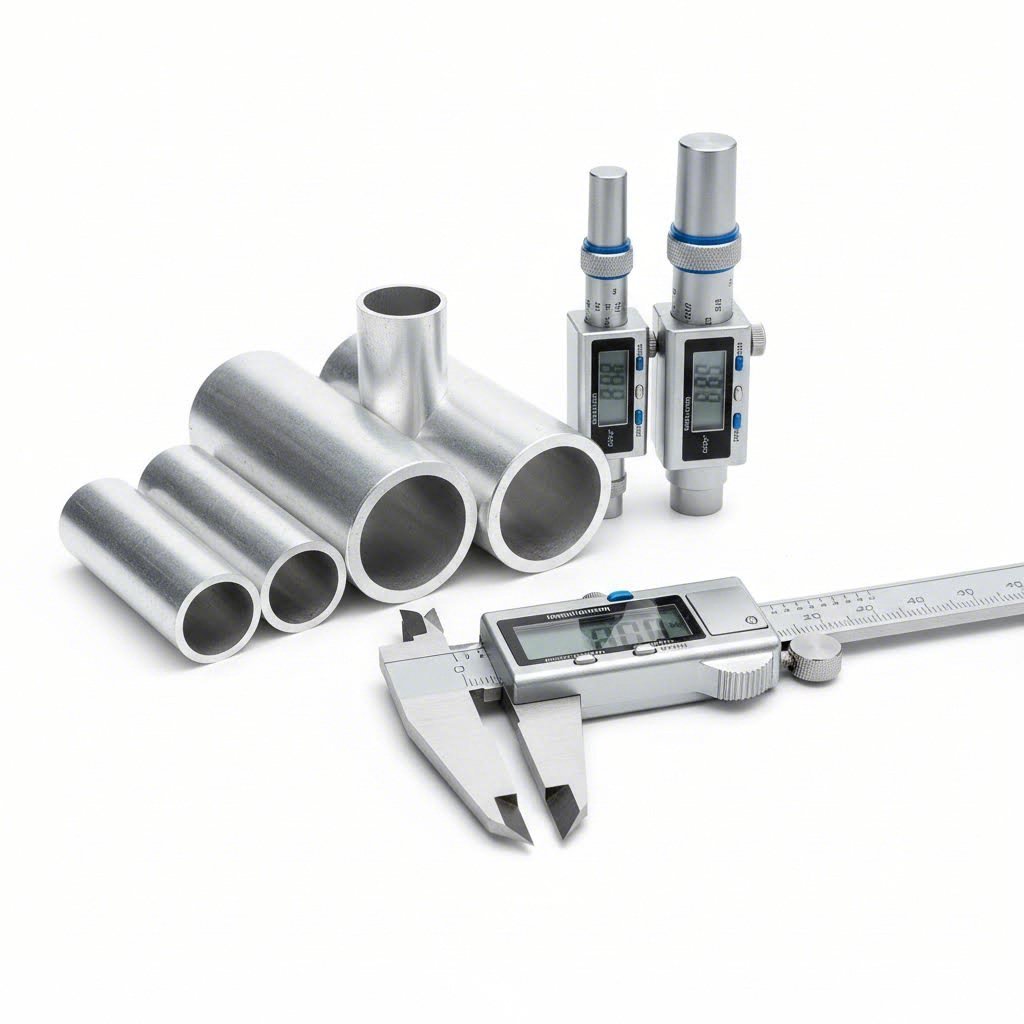
You have vetted your supplier, confirmed certifications, and selected the right alloy—but here is where orders often go sideways. Unclear specifications lead to parts that do not fit, assemblies that fail inspection, and costly rework that blows project budgets. Understanding aluminum tube dimensions and sizing conventions prevents these expensive miscommunications.
This section covers the technical specifications that aluminum extrusion pipe suppliers need from you—and what you should expect in return. Master these fundamentals, and you will communicate with precision that eliminates ambiguity.
Before diving into size charts, let us clear up a terminology confusion that trips up even experienced buyers. According to industry specifications, tube and pipe are not interchangeable terms—they follow fundamentally different dimensional standards.
Tubing is specified by its outside diameter (OD) and wall thickness (WT). The stated OD and measured OD match exactly or fall within very tight tolerances—often within thousandths of an inch. When you order a 2-inch aluminum round tube, you receive a product with an actual OD of 2.000 inches (within tolerance). The inside diameter (ID) simply results from subtracting twice the wall thickness from the OD.
Pipe follows Nominal Pipe Size (NPS) standards established by ANSI. Here is the confusing part: for sizes 1/8 inch through 12 inches, the nominal size does not match the actual OD. A 3-inch Schedule 40 NPS pipe has an OD of approximately 3.500 inches—not 3.000 inches. The NPS system was originally designed so the ID would roughly match the nominal size for standard wall thicknesses, but the OD remains constant regardless of schedule (wall thickness).
Why does this matter? Ordering "2-inch aluminum pipe" when you actually need "2-inch OD aluminum tubing" results in parts that do not fit. Tubing generally costs more due to tighter manufacturing tolerances, but delivers the dimensional precision most fabrication and assembly applications require.
According to Thomas Net specifications, aluminum tubing is produced through drawing or extrusion and comes in multiple profiles. Round tubing typically ships in standard stock lengths (often 12 feet or 20 feet), while smaller diameter sizes may also be available in coiled form for longer continuous runs.
This table summarizes common aluminum tubing sizes across profile types:
| Profile Type | Common Size Range | Wall Thickness Range | Standard Lengths |
|---|---|---|---|
| Round Tubing | 1/8" to 12" OD | 0.014" to 0.500" | 12 ft, 20 ft, coiled (small dia.) |
| Square Tubing | 1/2" to 8" leg | 0.050" to 0.250" | 12 ft, 20 ft, 24 ft |
| Rectangular Tubing | 1/2" x 1" to 6" x 12" | 0.050" to 0.250" | 12 ft, 20 ft, 24 ft |
| Oval Tubing | Custom profiles | Application-specific | Per order specification |
When referencing an aluminum rectangular tube sizes chart or requesting quotes for alum tube sizes, always specify dimensions in this format: OD x Wall Thickness for round profiles, or Height x Width x Wall Thickness for rectangular and square profiles. This eliminates confusion about whether dimensions refer to inside or outside measurements.
Wall thickness dramatically impacts both performance and cost. Selecting the right option requires balancing structural requirements against weight and material expense.
Thin wall aluminum tubing (typically 0.014" to 0.065") serves applications where weight reduction matters more than load-bearing capacity. Think furniture frames, decorative elements, and lightweight enclosures. These profiles require careful handling during fabrication—thin walls dent and deform more easily than heavier gauges.
Standard wall options (0.065" to 0.125") cover most general industrial and architectural applications. This range offers a practical balance between structural integrity, formability, and cost efficiency. Most aluminum extrusion pipe suppliers stock these thicknesses in popular alloys and sizes.
Heavy wall tubing (0.125" and above) handles demanding structural, pressure, and high-stress applications. Pneumatic cylinders, hydraulic systems, and load-bearing structural components typically require these robust wall thicknesses. Expect longer lead times and higher minimum order quantities for heavy wall specifications.
Beyond the dimensions themselves, the shape profile affects both function and fabrication options:
When reviewing aluminum rectangular tubing sizes or square profile options, confirm whether corner radii specifications matter for your application. Extruded profiles feature radiused corners—not sharp 90-degree edges—which can affect assembly fits and aesthetic appearance.
Dimensional tolerances determine whether parts fit together properly. Standard commercial tolerances differ from precision requirements, and pricing reflects this difference.
For general applications, standard tolerances per ASTM B221 typically allow:
Precision applications requiring tighter tolerances should specify EN 755-9 or negotiate custom tolerance requirements with your supplier. Confirm inspection methods—CMM verification, laser measurement, or go/no-go gauging—match the precision level your application demands.
With dimensional specifications clearly understood, the next consideration becomes surface treatment—how finishing options affect both appearance and long-term performance of your aluminum extrusion pipes.
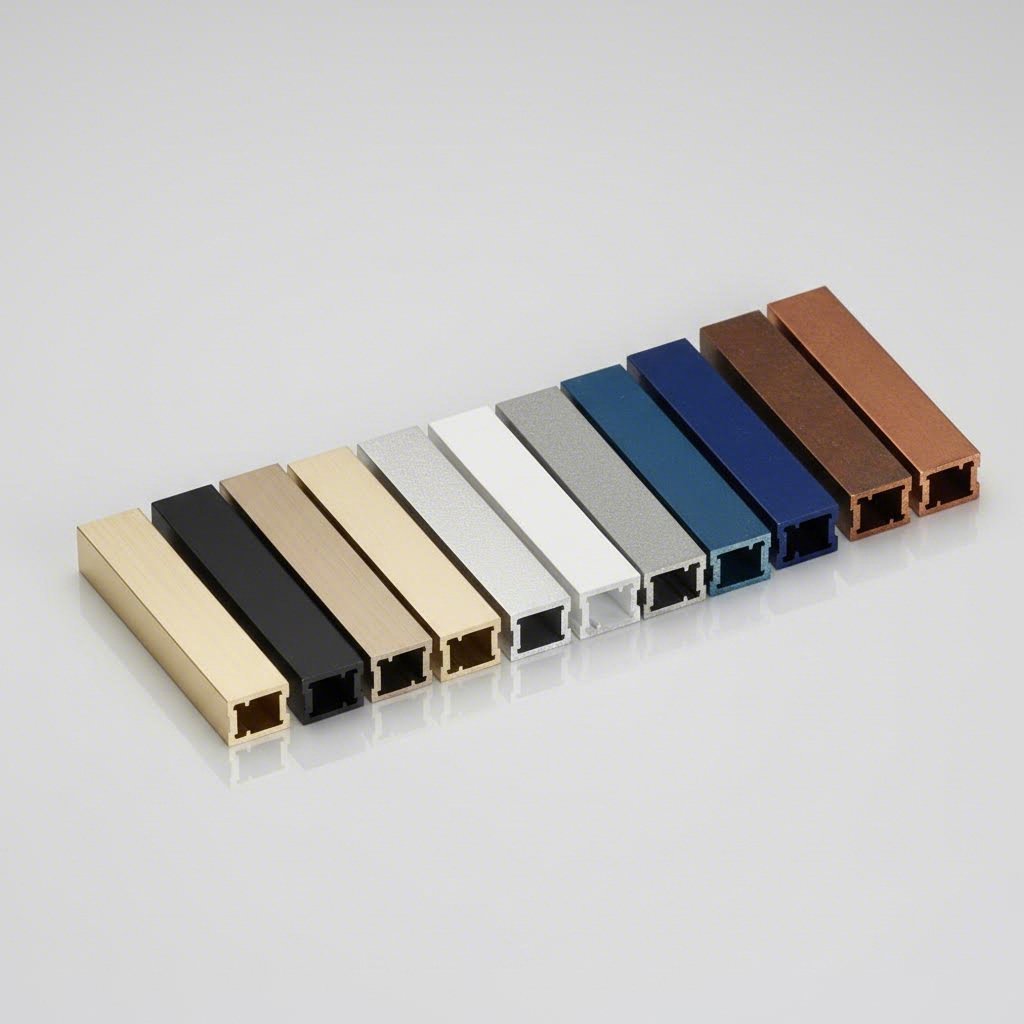
You have specified the right alloy, confirmed dimensional tolerances, and selected a capable supplier—but here is where many projects lose their competitive edge. Surface treatment is not just about aesthetics. The finish you choose determines how long your aluminum extrusion pipes resist corrosion, maintain appearance, and perform under real-world conditions.
Whether you are sourcing anodized aluminum tubing for architectural facades or aluminum square tubing for industrial equipment, understanding surface treatment options helps you match finish performance to application demands—and avoid the costly mistake of under-specifying protection.
Anodizing remains the most popular finish for extruded aluminum, and for good reason. Unlike paint or powder coating, anodizing creates an integral oxide layer that grows from the base metal itself—meaning it cannot peel, chip, or flake.
According to SAF finishing specialists, the anodizing process develops a hard, durable aluminum oxide coating through electrochemical conversion. The coating thickness directly determines longevity—thicker anodic layers last proportionally longer in service.
Three primary anodizing categories serve different application needs:
The critical specification most buyers overlook? Coating thickness class. According to Aluminum Association standards, Class I anodizing (0.7 mils) lasts roughly twice as long as Class II (0.4 mils) in exterior applications. When specifications simply read "clear anodized" without thickness requirements, suppliers often default to thinner—and less durable—coatings.
Always specify anodizing class and verify coating thickness documentation. The cost difference between Class I and Class II is minimal compared to premature finish degradation in service.
When anodizing's chemical resistance limitations become a concern—particularly in marine, industrial, or high-pollution environments—organic coatings offer enhanced protection with virtually unlimited color options.
Powder coating delivers excellent corrosion protection at moderate cost. According to surface treatment comparison data, powder coatings typically achieve 50-150 μm thickness, providing robust barrier protection against environmental attack. The process emits no VOCs during curing, making it environmentally preferable to many liquid coating alternatives. Aluminium square tube products destined for outdoor furniture, playground equipment, or architectural applications frequently receive powder coating for its durability and color variety.
PVDF coatings represent the premium tier for exterior architectural applications. As Sherwin-Williams technical resources explain, 70% PVDF formulations have dominated curtain wall and metal roofing markets for decades due to exceptional UV resistance and color retention. The carbon-fluorine bonds in PVDF chemistry provide stubborn resistance to chalking, fading, and atmospheric pollutants. For aluminum square tubes in high-visibility architectural projects, PVDF coatings meeting AAMA 2605 specifications deliver verified 10-year Florida exposure performance.
Electrophoresis (E-coating) uses electrodeposition to apply uniform coatings even on complex profiles with recesses and internal surfaces. This process excels where complete coverage consistency matters more than aesthetic variety.
Micro-arc oxidation (MAO) creates ceramic-like surface layers through plasma discharge in electrolyte solutions. The resulting coating offers exceptional hardness and wear resistance—particularly valuable for aluminum extrusion pipes in high-friction or abrasive service environments.
Selecting the right finish requires weighing multiple performance factors against application requirements and budget constraints:
| Treatment Type | Durability | Relative Cost | Color Options | Best Applications |
|---|---|---|---|---|
| Clear Anodizing (Class I) | 15-20+ years exterior | Low-Moderate | Natural metallic only | Storefronts, architectural trim, visible structural |
| Colored Anodizing | 10-15 years exterior | Moderate | Bronze, black, gold, limited range | Decorative profiles, consumer products |
| Hard Anodizing | Excellent wear resistance | Moderate-High | Gray/dark tones only | Industrial equipment, sliding components |
| Powder Coating | 7-10 years exterior | Low-Moderate | Virtually unlimited | Furniture, outdoor equipment, general architectural |
| PVDF Coating | 20-30+ years exterior | High | Extensive, including metallics | Curtain walls, metal roofing, monumental architecture |
| Micro-arc Oxidation | Exceptional hardness | High | Limited | High-wear industrial, specialty applications |
Surface treatment selection should follow application logic, not just preference. Consider these decision factors:
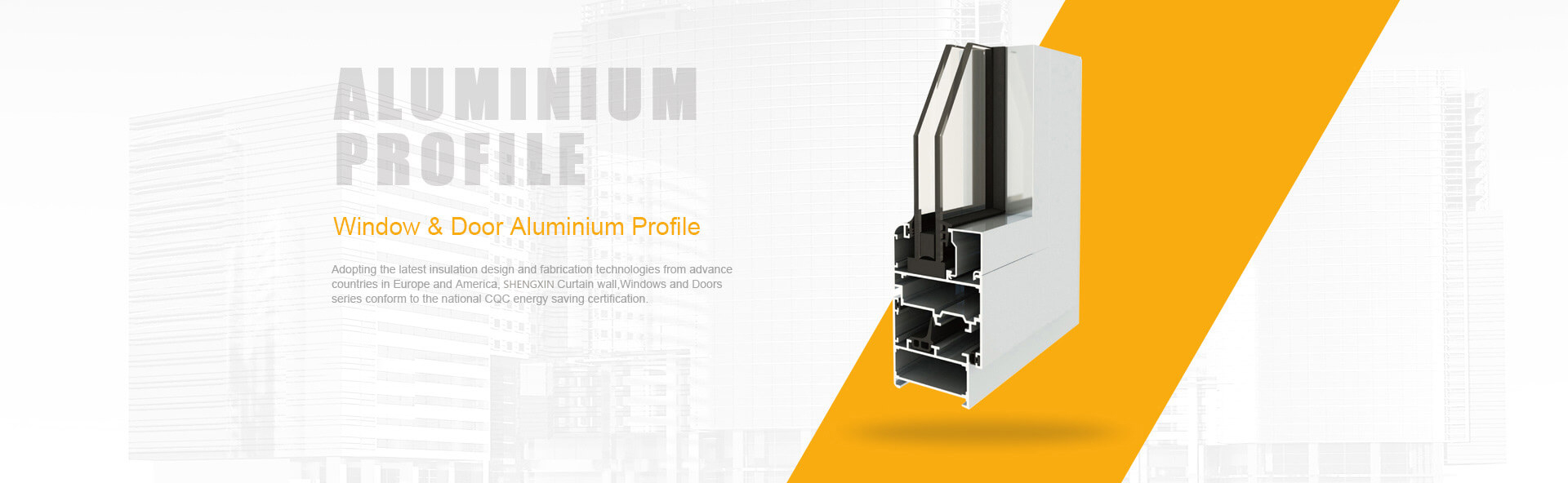
When evaluating aluminum extrusion pipe suppliers, their surface treatment capabilities reveal operational sophistication. Full-service suppliers like Shengxin Aluminium offer comprehensive finishing options—including custom anodizing colors (Champagne, Rose Gold), powder coating, PVDF, and micro-arc oxidation—enabling single-source procurement that simplifies quality control and reduces lead times.
Understanding these finishing options positions you to specify surface treatments that protect your investment and deliver the performance your application demands—rather than accepting whatever finish a supplier happens to offer.
You have selected the right alloy, verified supplier certifications, and specified surface treatments—but here is the question that separates experienced buyers from those who learn expensive lessons: does your supplier actually understand your industry's unique requirements?
Different sectors demand fundamentally different approaches to aluminum extrusion procurement. The certifications critical for automotive applications may be irrelevant for furniture manufacturing. The surface finish expectations for architectural projects would be overkill for industrial pneumatic systems. When evaluating aluminum extrusion pipe suppliers, their familiarity with your specific industry often matters more than generic quality claims.
The construction sector represents one of the largest markets for aluminum extrusion pipes, with applications ranging from window frames and curtain wall systems to structural supports and handrails. According to the Aluminum Extruders Council, building and construction applications leverage aluminum's corrosion resistance, aesthetic appeal, and strength-to-weight ratio for both functional and decorative purposes.
When sourcing rectangular aluminum tubing or aluminum rectangular tube profiles for construction, verify these industry-specific requirements:
Architectural applications also demand consistent color matching across production batches. A supplier experienced in construction projects understands that visible aluminum square tube framing appearing in different shades across a building facade creates unacceptable aesthetic failures.
Industrial equipment applications present different challenges entirely. Pneumatic cylinders, conveyor systems, and machinery frames prioritize functional performance over visual perfection. Here, dimensional precision and mechanical properties trump aesthetic considerations.
For hollow aluminum tube applications in industrial equipment, focus on these factors:
Automotive applications represent a specialized industrial segment with even more demanding requirements. According to YUH FIELD manufacturing data, automotive chassis components, crash structures, and battery enclosures in electric vehicles all utilize extruded aluminum for its lightweight durability. Suppliers serving automotive must maintain IATF 16949 certification and demonstrate PPAP (Production Part Approval Process) capabilities.
For round aluminum tubing in automotive heat exchangers, thermal conductivity becomes the critical specification—aluminum conducts heat more efficiently per unit weight than any other economical material.
Furniture frames, retail display systems, and exhibition structures occupy a middle ground between architectural aesthetics and industrial functionality. These applications demand attractive finishes at price points that support competitive consumer products.
Understanding when aluminum extrusion pipes outperform competing materials prevents both over-specification and under-performance.
Aluminum versus steel: According to Westfield Steel comparative analysis, aluminum weighs approximately one-third as much as steel. When weight reduction is essential—automotive, aerospace, portable equipment—aluminum delivers clear advantages. However, for applications involving heavy loads or high stress where weight is irrelevant, steel's higher strength and lower cost may prove more practical.
Aluminum versus stainless steel: Stainless steel offers superior corrosion resistance in highly acidic, alkaline, or saltwater conditions. Its melting point exceeds 2,500°F versus aluminum's approximately 1,200°F, making stainless essential for high-temperature applications like exhaust systems. But aluminum costs less and machines more easily—when environmental exposure remains moderate, aluminum often wins on economics.
Aluminum versus plastic: Plastics offer lower material costs and molding flexibility for complex shapes. However, aluminum provides superior strength, thermal conductivity, and dimensional stability under temperature variations. For structural applications requiring long-term reliability, aluminum extrusion pipes outperform plastic alternatives despite higher initial costs.
The material selection decision ultimately depends on your specific application requirements—weight constraints, environmental exposure, load requirements, temperature range, and budget parameters. Experienced aluminum extrusion pipe suppliers help you navigate these trade-offs rather than simply quoting whatever you specify.

You have identified the right alloy, verified supplier certifications, and understand your industry's specific requirements—but here is a strategic decision that could save or cost you thousands: should you source aluminum extrusion pipes domestically or from international manufacturers?
This is not simply a price comparison exercise. According to industry sourcing analysis, the decision now hinges on lead time, compliance risk, quality control, and total landed cost—not just the line item on a quote sheet. With evolving tariff policies, stricter compliance enforcement, and supply chain volatility, the sourcing equation has fundamentally changed.
Domestic sourcing is more than a patriotic decision—it is a strategic one. U.S. and regional extruders tend to win when projects demand responsiveness and compliance certainty.
Consider these practical advantages when evaluating local aluminium pipe suppliers:
The trade-off? Domestic aluminium tubing for sale typically carries higher per-pound pricing than international alternatives. But those savings must be weighed against the complete cost picture.
International extrusion mills still offer compelling value under the right conditions. If your demand is steady, high-volume, and price-sensitive, importing aluminium pipes can deliver meaningful savings—provided you have the working capital and planning horizon to manage longer pipelines.
However, according to 2025 sourcing guidance, those savings must be weighed against substantial hidden costs:
The smartest sourcing teams calculate total landed cost (TLC) instead of focusing on per-pound pricing. Here is the formula that reveals actual savings—or hidden losses:
TLC = Ex-works price + Freight + Duties + Tariffs + Compliance costs + Carrying cost + Risk buffer
Even small shifts in freight time or tariff rates can change the math dramatically. For example, an eight-week ocean cycle that forces you to carry two extra months of inventory at an 18 percent annual carrying cost can erase a 5 to 8 percent price advantage overnight. Add the constant threat of changing tariff amounts due at time of receipt, and that attractive quote becomes considerably less attractive.
Before committing to offshore aluminium tubing purchases, systematically evaluate these critical factors:
Many experienced OEMs and fabricators now run a dual-source model that balances cost efficiency with supply security. According to industry best practices, this approach works effectively:
Before committing to any large international purchase, invest in sample orders and thorough quality verification. The cost of evaluating 50-100 sample pieces is trivial compared to receiving a container of out-of-spec material that cannot meet your production requirements.
Understanding these sourcing dynamics positions you to make strategic supplier decisions based on total value—not just quoted pricing. The next challenge? Avoiding the common ordering mistakes that trip up even experienced buyers.
You have done the research, evaluated suppliers, and feel ready to place that order—but here is where even experienced buyers stumble. The mistakes that cost thousands rarely happen during supplier selection. They happen during the ordering process itself, when unclear specifications, overlooked details, and assumed understandings transform a promising supplier relationship into a costly disaster.
According to MG Metals industry analysis, the most common sourcing failures stem from communication gaps—not supplier incompetence. The good news? These mistakes are entirely preventable when you know what to watch for.
Before you finalize that purchase order, review this list of costly errors that trip up buyers across industries. Each mistake seems minor in isolation but can cascade into project delays, rejected parts, and budget overruns.
Smart buyers treat supplier conversations as due diligence opportunities. Before committing to production orders—especially when you buy aluminum tubing from a new source—systematically verify capabilities with these essential questions:
When you find aluminum tubing for sale or aluminum pipe for sale from an unfamiliar supplier, never commit to large production quantities without sample verification. According to supplier selection best practices, sample evaluation is your insurance against costly production failures.
Here is how to approach sample orders effectively:
The cost of 50-100 sample pieces is trivial compared to receiving a container of out-of-spec aluminum tube for sale that cannot meet your production requirements. Invest in verification before commitment—it is the cheapest insurance available when you buy metal tube from any supplier.
With these common mistakes avoided and proper due diligence complete, you are positioned to build supplier relationships that deliver consistent quality rather than costly surprises. The final step? Developing a strategic action plan for long-term supplier partnership success.
You have navigated alloy selection, evaluated certifications, compared domestic versus international sourcing, and learned the ordering mistakes that derail projects. Now comes the most critical phase—turning this knowledge into action that protects your projects and builds supplier partnerships delivering consistent value for years to come.
Finding reliable aluminum extrusion pipe suppliers is not a one-time transaction. It is the foundation of your manufacturing success. Whether you are sourcing extruded aluminum tubes for a single prototype or establishing ongoing supply for high-volume production, the relationships you build now determine the quality, cost, and reliability you experience tomorrow.
The most successful procurement strategies treat suppliers as strategic partners rather than interchangeable vendors. According to aluminum manufacturing partnership experts, long-term supplier relationships transform routine transactions into ongoing collaboration that drives continuous improvement and mutual growth.
What separates transactional sourcing from strategic partnership? Consider these relationship-building practices:
Short-term price reductions may seem attractive, but suppliers pressured into constant cost cuts often reduce process control or outsource finishing—increasing your risk. A trusted supplier who consistently delivers quality saves you inspection effort, rework cost, and production delays that far outweigh minor price differences.
Partnership-driven sourcing builds trust and predictability—two qualities no contract can enforce but every successful project depends on. When both sides share goals and data, the supplier can anticipate demand fluctuations, maintain dedicated tooling, and offer cost improvements through process optimization.
Ready to move forward? Here is your strategic roadmap based on where you stand in your sourcing journey:
The most valuable aluminum extrusion pipe suppliers offer end-to-end support from initial concept through mass production. When evaluating comprehensive suppliers, look for these capabilities:
For buyers seeking this comprehensive approach, manufacturers like Shengxin Aluminium exemplify full-service capability—offering over 30 years of experience, 35 extrusion presses ranging from 600T to 5500T, CNC machining centers for secondary operations, and factory-direct pricing that eliminates middleman markups. This single-source model for extruded tubing aluminum simplifies quality control while reducing lead times compared to coordinating multiple specialized vendors.
Before you close this guide and start contacting suppliers, remember these fundamental principles that separate successful aluminum tube extrusion procurement from costly failures:
The aluminum extrusion pipe suppliers you choose today shape the quality, cost, and reliability of your products for years to come. Armed with the evaluation frameworks, technical knowledge, and sourcing strategies in this guide, you are positioned to make supplier decisions that protect your projects—and avoid the red flags that cost other buyers thousands.
Your next step? Take action. Define your requirements, contact qualified suppliers, request samples, and build the partnerships that transform your aluminum sourcing from a procurement headache into a competitive advantage.
Aluminum tubing is specified by its exact outside diameter (OD) and wall thickness, with the stated OD matching the measured OD precisely. Aluminum pipe follows Nominal Pipe Size (NPS) standards where the nominal size does not match the actual OD for sizes 1/8 inch through 12 inches. For example, a 3-inch Schedule 40 NPS pipe has an OD of approximately 3.500 inches. Tubing typically costs more due to tighter manufacturing tolerances but delivers the dimensional precision most fabrication and assembly applications require.
Key certifications include ISO 9001 for quality management, ASTM B221 for aluminum extrusion specifications, and ASTM B429 for extruded structural pipe tolerances. For automotive applications, IATF 16949 is essential. European construction projects require EN 1090-3 certification. Additionally, verify RoHS/REACH compliance for environmental standards. Always request current certificates with expiration dates and verify them directly with issuing bodies before committing to large orders.
6063 aluminum is called the architectural alloy because it extrudes beautifully with smooth surfaces ideal for anodizing and powder coating, making it perfect for window frames and decorative applications. 6061 aluminum offers roughly 40% higher tensile strength than 6063, making it suitable for structural load-bearing applications like bridge components, truck frames, and marine fittings where mechanical strength is critical. Choose 6063 when appearance matters most; choose 6061 when structural integrity is the priority.
Typical lead times for custom aluminum extrusion projects range from 4-6 weeks total. Die manufacturing takes 10-20 days depending on profile complexity. Extrusion production requires 7-15 days based on order volume and alloy requirements. Surface finishing adds another 5-10 days. Domestic suppliers often deliver faster (3-8 weeks) compared to international sources which require 32-52 additional days for ocean freight. Rush orders may be possible with established suppliers.
The decision depends on your specific needs. Domestic sourcing offers faster lead times (3-8 weeks), simplified compliance for government contracts, same-timezone communication, and lower minimum quantities. International sourcing can provide cost savings for high-volume, steady-demand orders but involves extended transit times (32-52 days), potential tariffs of 50-100%, UFLPA compliance requirements, and quality control challenges. Many successful buyers use a dual-source model—domestic for agility and prototypes, international for proven high-volume production.



 Інтернет-сервіс
 0086 136 3563 2360
 sales@sxalu.com
 +86 136 3563 2360
 Українська
 English
 français
 Deutsch
 русский
 español
 português
 العربية
 ไทย
ไทย Việt
Việt