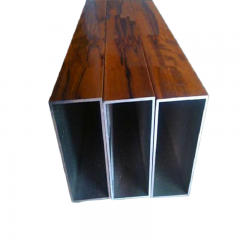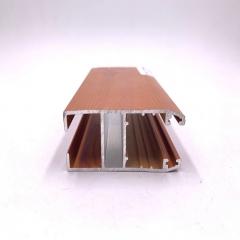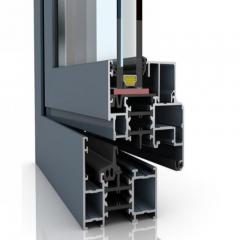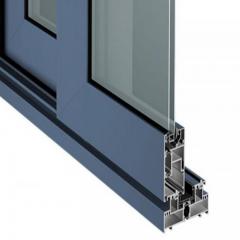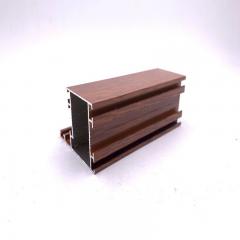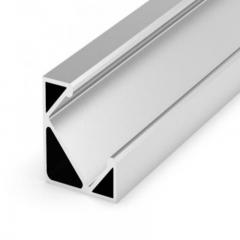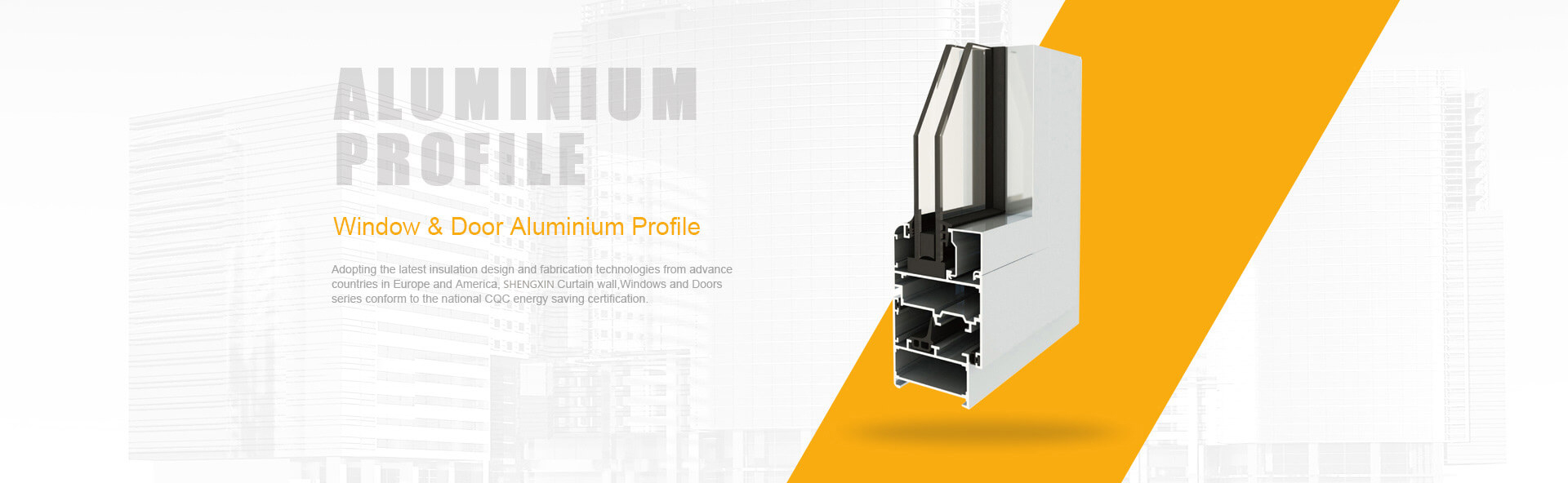
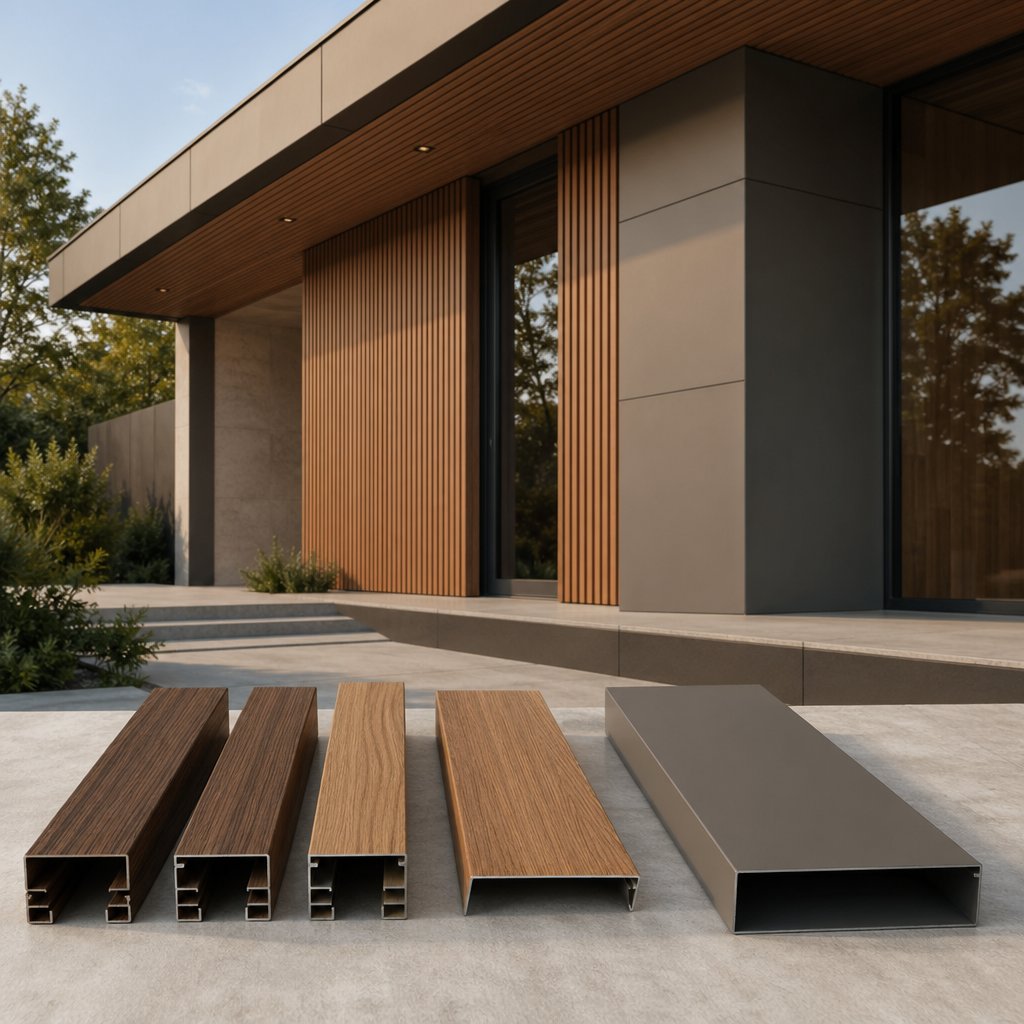
At first glance, this material can be confusing. Some products are marketed as wood look aluminum, some as aluminum that looks like wood, and others as wood-effect metal. Those phrases overlap, but they do not always describe the same finish quality or process.
Wood grain aluminum is aluminum, usually a profile or panel, finished with a decorative wood pattern so it looks like timber while keeping the core properties of metal.
In industry usage, the term usually refers to aluminum that receives a wood-pattern surface treatment rather than solid-color paint alone. Reference material from SinoExtrud describes it as an aluminum profile finished with heat-transfer film to imitate natural wood texture and appearance. Arexco similarly explains that wood-finish aluminium is created through a specialized finishing process, not by simply painting on a brown color.
Real wood is organic. It has natural variation, real depth, and true grain. It can also absorb moisture, warp, crack, split, or rot in demanding conditions. Aluminum with a wood finish is different. The base material is still metal, so you are buying wood appearance, not wood substance.
It also differs from standard painted aluminum. Plain coated metal usually has a solid, uniform color. Wood grain aluminum adds pattern, tonal variation, and a more timber-like visual effect. Generic wood-look coatings sit in a broader category. Some are quite realistic. Others are simply printed or painted to resemble wood from a distance. That is why finish method matters, not just marketing language.
Wood grain aluminum: the most common category term for aluminum with a timber-style pattern.
Wood look aluminum: a casual search phrase that usually points to the same idea.
Aluminum that looks like wood: plain-language wording often used by homeowners and first-time buyers.
Wood-effect coating: a broad label that may include several finishing methods and quality levels.
That distinction matters because two products can look similar in photos but be built very differently. The finish itself deserves a closer look, especially once layers, curing, and transfer methods enter the picture.
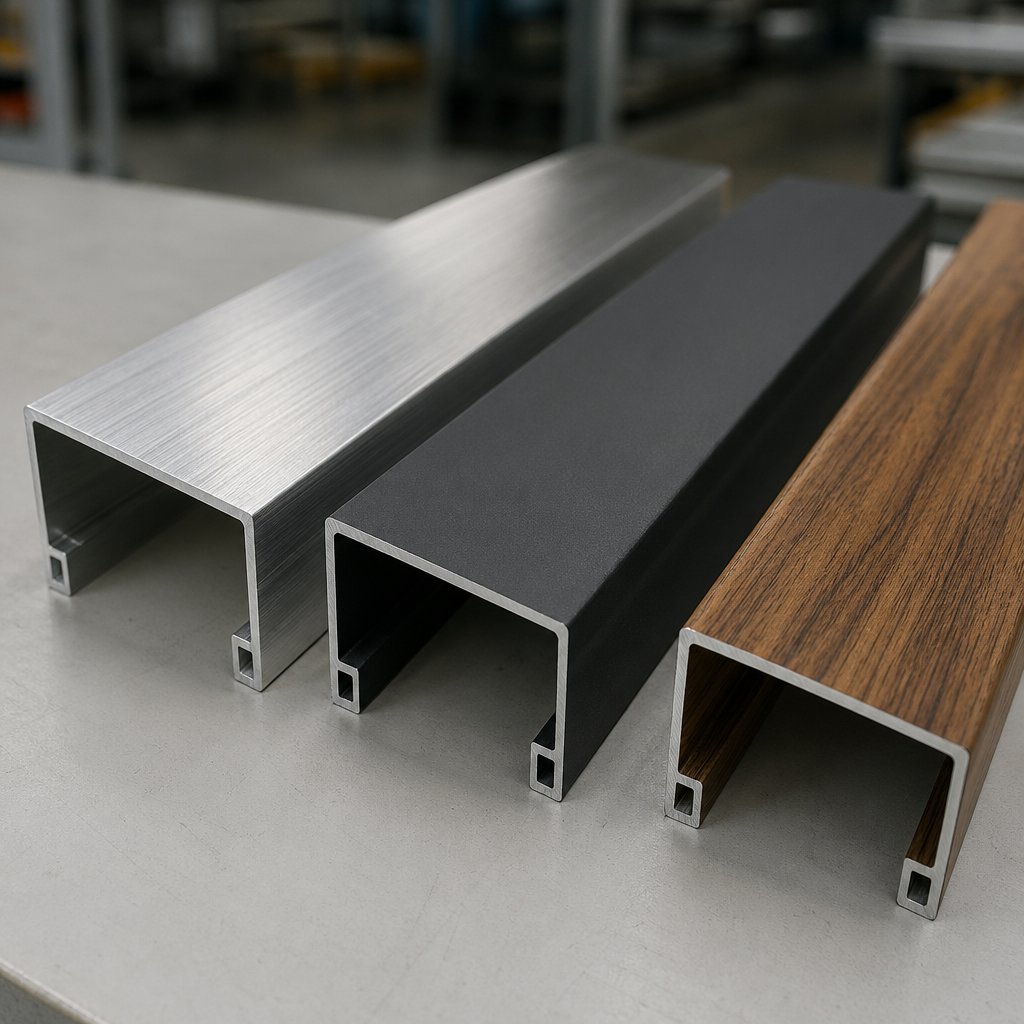
The warm timber look people notice first is only the top layer. Under that look is a manufacturing sequence of forming, cleaning, coating, transferring, curing, and checking. That is why a true wood grain finish is different from simply spraying aluminum brown.
In practice, most systems described by industry guides use a powder-coated base and then a transfer step, often called sublimation. The pattern is added to the coating, not carved into the metal itself.
Manufacturers usually begin with one of two aluminum forms. Extrusions are shaped profiles used for items like frames, slats, and trim. Sheet is flat material used for broader faces and panels. Both can receive a grain finish, but neither should be coated straight from production.
Surface prep is the quiet part of the process, yet it matters a lot. Published process descriptions include degreasing, rinsing, and a chemical conversion treatment before coating. In simple terms, the goal is to remove oils, dust, and residues, then create a surface the finish can grip. If that prep is sloppy, the later layers have less chance of looking consistent.
This is where buyers often get mixed up. Powder coating is usually the base layer. Sublimation or transfer finishing is the step that creates the wood pattern. They work together rather than compete with each other. Some manufacturers also note that the powder used should be suitable for wood transfer, not just any standard color coat.
Process guides from Gabrian, Ya Ji Aluminum, and Fonnov Aluminium all describe this same general build-up, even though line details can vary.
A single solid-color paint layer can make metal brown, beige, or dark walnut-like from far away. It usually cannot create the same visual depth, streaking, and tonal variation that make wood grain finishes metal products look convincing up close. A layered wood grain finish has a stronger claim to realism because the decorative image is transferred onto a cured base rather than guessed at with one coat alone.
That is also why the phrase wood grain finishes metal can be misleading in search results. Some listings mean a full transfer system. Others mean only a wood-like color. The difference becomes even more important when the substrate changes, because a slim extrusion profile and a broad sheet panel do not get used, fabricated, or detailed in the same way.
The finish may be the same category, but the substrate changes almost everything. A wood-look pattern applied to a slim batten behaves differently from the same pattern on a broad wall panel. That is why searches for aluminum cladding wood finish often mix together two separate buying decisions: profile shape and surface appearance.
Material guidance from ArchDaily draws a clear line between thin sheet-based cladding and extruded aluminum systems. One favors wide, efficient coverage. The other favors shape control, rigidity, and precision.
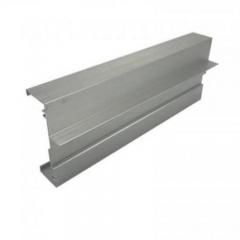
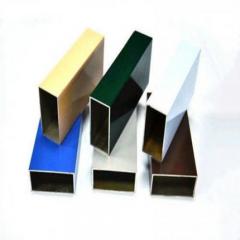
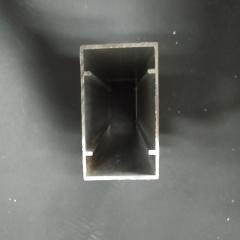
Extrusions are the better fit when the design depends on a repeatable shape, depth, or shadow line. The aluminum is pushed through a die to create a consistent profile, which makes it useful for elements that are more than just flat skin.
That matters for battens, screens, soffits, louvers, and trim-heavy facades. Omnis highlights extrusion for its ability to create complex profiles with precise dimensions, and Xtrametal shows how aluminum battens are commonly used for facade cladding, privacy screens, ceiling battens, soffit linings, and pergolas. In practical terms, if you want spacing, rhythm, depth, or slatted screening, extrusions usually make more sense than flat material.
A wood grain aluminium sheet or other sheet-based cladding product is usually the simpler choice for large, flat surfaces. Thin metal panels can cover broad areas with minimal visual interruption, and ArchDaily notes that they are lightweight, efficient to transport and install, and often cost-conscious in comparison with more engineered profile systems.
They are often a better match for flat cladding, long facade runs, and projects where speed and coverage matter more than three-dimensional detailing. The tradeoff is that thinner sheet products generally offer less rigidity and can be more vulnerable to visible surface distortion, especially across larger spans.
| Category | Extrusions | Sheet or single-skin panels |
|---|---|---|
| Form factor | Continuous shaped profiles with fixed cross-sections | Flat or lightly formed metal sheets and broad panels |
| Fabrication implications | Best when the project needs slots, fins, battens, interlocks, edges, or repeating trim details | Best when the project needs broad coverage, simpler cutting, and faster skin-like installation |
| Design flexibility | High for depth, spacing, shadow lines, and modular patterns | High for large clean surfaces and quiet facade fields |
| Common uses | Battens, privacy screens, soffits, pergolas, sun shading, feature walls, detailed cladding accents | Wood grain aluminum panels for facades, flat cladding zones, commercial wall areas, renovations needing quick coverage |
| Visual effect | More texture, relief, and directional rhythm | More continuous and uniform from a distance |
| Maintenance considerations | More edges and reveals mean more places for dust to collect, though individual pieces may be easier to swap in some systems | Fewer visual breaks can simplify routine cleaning, but damage on a large face can be more noticeable |
A simple rule helps. Choose extrusions when the architecture wants lines, depth, and screening. Choose sheet or panel products when it wants broad planes. Battens and soffits usually live in the first camp. Flat facade wraps and many wood grain aluminum panels live in the second. And once the form is settled, the visual question gets sharper: a grain pattern that looks rich on a narrow batten may feel too busy across a full wall.
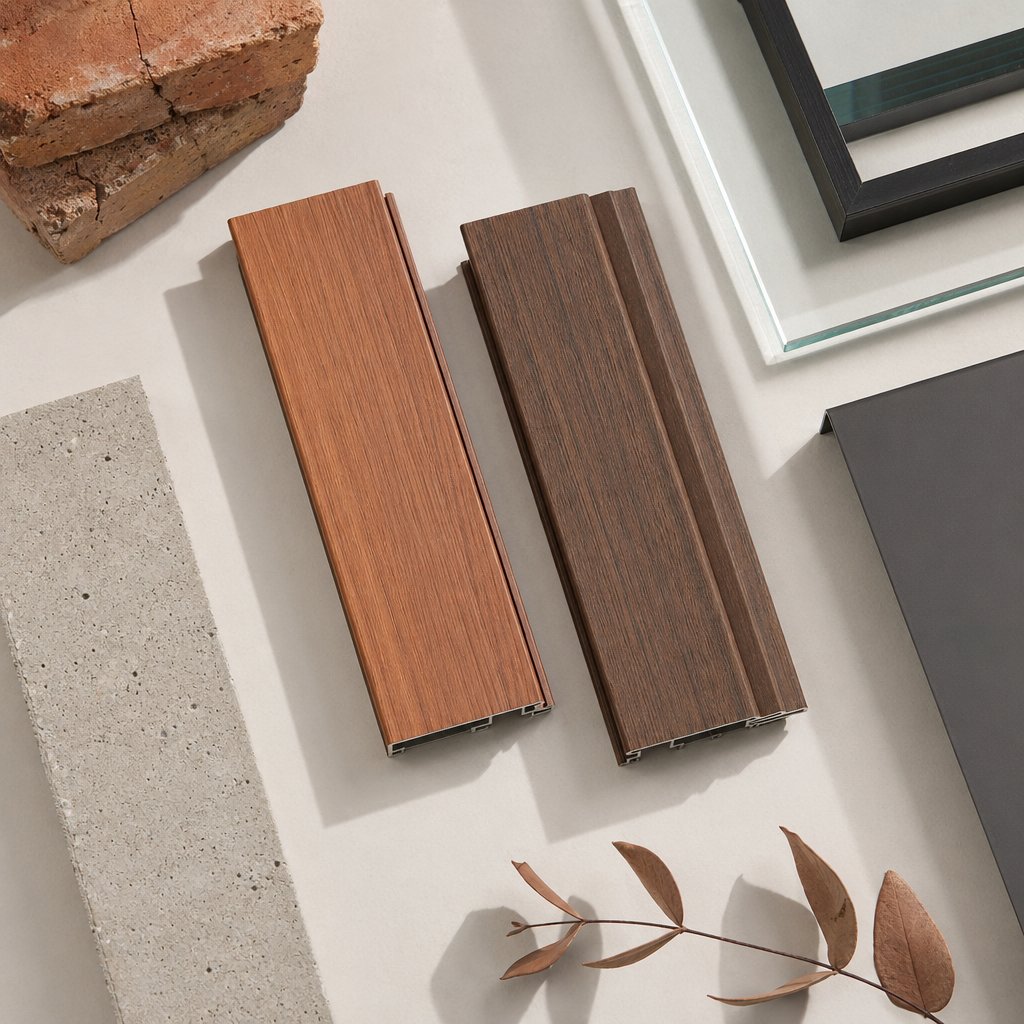
A finish can be technically sound and still feel wrong once it covers a real facade. Scale changes everything. A grain that looks elegant on a narrow batten may seem busy on a large panel, while a subtle pattern can disappear on a deep soffit. Many galleries display dozens of wood grain colors, but they rarely explain how to match a species look to the building around it.
Warm cedar tones are popular because they soften metal and sit comfortably beside masonry, landscaping, and neutral siding. If you want more visual weight, a dark cedar wood effect can sharpen roof edges, screens, or entry details. For a cedar look aluminum soffit, the goal is often warmth without making the eaves feel heavy or too dark underneath.
Color is only half the decision. Grain movement matters just as much. Modern projects usually look better with straighter, quieter patterns and lower contrast. Traditional homes can handle more visible knots, stronger streaking, and a little more tonal variation because the architecture already has more detail.
Ask for a full-size sample, not just a small chip. View it in shade and sun. Look for repeat pattern visibility on long runs, and check whether the surface reflects light in a flat, printed way. Examples from Rollex show how soffit color can either bridge the roof and wall palette or weaken that connection. The same design logic applies to wood-look finishes.
The best finish is not simply the prettiest swatch. It is the one that keeps its character when installed at full scale, in real light, and in the actual environment where weather starts to matter.
A cedar finish can look convincing in a sample pack and still disappoint once full sun, rain, humidity, or salt air hit it year after year. This is where product language gets fuzzy fast. Words like durable, weather resistant, and UV stable sound strong, but they only mean something when the seller explains what was tested, what coating system is being used, and where that finish is actually meant to perform.
In plain terms, durability should mean the material does not behave like real wood. The aluminum base will not absorb water, swell, rot, or invite insects the way timber can. Weather resistance should refer to the finish holding its color and adhesion within stated limits, not simply surviving a short display period outdoors. UV stability should point to a defined coating tier, standard, or warranty range.
The Hugh Aluminum guide separates lower-tier polyester finishes from PVDF and fluoropolymer options, and describes premium systems as offering about 10 to 15+ years of fade protection in harsh outdoor conditions. That is far more useful than a brochure saying the finish is "sun proof" or "built for all weather."
Claims like realistic wood appearance or weather resistance matter only when they come with documents, test references, or clearly stated limits.
Wet and humid environments are where this material often makes its strongest case. Because aluminum itself does not soak up moisture, it avoids the familiar wood problems of swelling, splitting, and rot. That does not mean every version performs equally well everywhere. Coastal conditions are harsher. Salt air can push corrosion risk higher around exposed edges, fasteners, and poorly specified systems.
That is why search terms such as knotwood siding and knotwood soffit should lead to technical questions, not just gallery browsing. Products in this broad wood-look category may appear similar online, yet their exterior suitability can differ a lot. The same caution applies to high-wear ideas people research under terms like wood grain aluminum decking, where weather exposure and surface abuse are more demanding than on a decorative wall feature.
Some wood-look systems are better suited to controlled interiors. Others are built for facades, soffits, screens, and other exterior uses. A supplier should be able to tell you which one you are looking at without vague answers. Use this checklist to keep the discussion grounded.
Those answers usually reveal more than the finish sample itself. They also point to a practical ownership issue buyers care about later, once the installation is no longer new and the first scratches, stains, or dents show up.
A convincing finish is only part of ownership. Living with it matters just as much. One reason wood effect powder coating is widely chosen for architectural use is that it typically asks for far less upkeep than real wood, which may need ongoing sanding, staining, painting, or sealing. That does not mean no care at all. It means the routine should be simple, steady, and gentle.
Think maintenance, not restoration. The goal is to remove normal dirt and keep an eye on the surface, not to treat it like weathered lumber. The same AFUSA guidance that describes this finish as low maintenance points to simple cleaning practices and visual inspections as the normal pattern of care.
That last point matters because the wood look is a finished decorative surface. If you attack it the way you might rescue a rough timber board, you may damage the appearance rather than improve it.
Routine dirt and serious damage are not the same issue. These finishes are valued partly because they handle common scratches and daily wear better than softer natural wood, but no coated surface is immune to a hard impact. Light marks are one thing. Deep gouges, dents, or a broken grain pattern are another.
Real wood has an edge here. As AFUSA notes, natural wood can be refinished multiple times. A factory-applied wood-look finish is different. Its appeal depends on pattern and color consistency, so a local repair can be harder to blend invisibly. That is why buyers should ask before ordering whether major damage is treated as a touch-up problem or a profile or panel replacement problem.
Those tradeoffs show up fast in real ownership, whether the application is a soffit, screen, fence, or decking detail. The better decision usually comes from care instructions, damage expectations, and written support documents, not from the sample board alone.

Sample boards are useful, but paperwork usually tells the bigger story. A finish can look great in a photo and still be hard to source consistently, hard to warranty, or poorly matched to the form you actually need. That is why supplier review matters as much as color choice when buying wood grain aluminum for battens, soffits, screens, or facade parts.
Ask for more than a small swatch. A reliable supplier should be willing to provide:
That document trail matters. The warranty claims process described by Sheffield Metals shows how coated metal claims may depend on warranty paperwork, product source records, photos, and even retained samples used for later investigation.
Do not judge a warranty by years alone. Read what is excluded. Sheffield Metals' breakdown of paint and substrate warranties is a helpful model because it separates finish issues from base-metal issues and shows how exclusions can involve mechanical damage, improper cleaning, fabrication damage, corrosive fallout, runoff from incompatible metals, and certain saltwater exposures. For wood-look products, vague wording is a warning sign.
A strong warranty explains coverage, exclusions, and the evidence needed for a claim.
| Evaluation point | Shengxin Aluminum example | What to verify with any supplier |
|---|---|---|
| Substrate forms | Shengxin Aluminum presents wood grain aluminum extrusion profiles for architectural and industrial uses | Make sure the supplier truly supports the form you need, not just a similar-looking stock item |
| Customization depth | States extensive customization for profile-based projects | Confirm available shapes, dimensions, finish options, and order limits in writing |
| Finish consistency | Promotes a realistic wood grain surface treatment | Request long samples and approval pieces, not only tiny color chips |
| Documentation | Best evaluated by requesting samples, care guidance, and warranty paperwork before purchase | If documents are unclear before ordering, support may be unclear later too |
| Warranty clarity | Review the exact finish and substrate terms supplied for your project | Look for claim steps, exclusions, and who handles problems after delivery |
| Manufacturing scale | States 30 years of experience and large production capacity | Ask how repeat orders, lead times, and batch consistency are managed |
This kind of checklist keeps the conversation neutral, whether you are comparing search results for knotwood cladding, knotwood aluminium, or knotwood battens against other wood-look systems. Once samples, warranty language, and production fit all line up, the shortlist usually becomes much clearer.
A good sample, a clear warranty, and the right substrate usually narrow the field quickly. For most buyers, the real mistake is not choosing an ugly finish. It is choosing a finish, profile form, and exposure level that do not belong together. That is why searches for aluminum wood often need a practical selection path more than another gallery page.
Three decisions need to align. First, define the setting. Exterior soffits, screens, and facade parts need a finish with a stated performance basis, not just a wood look. In Linetec, AAMA 2604 is presented as the specification to use when specifying high-quality textured wood grain finishes for architectural aluminum in exterior and interior applications. Second, match the substrate to the design. Extrusions suit shaped members such as battens and trims. Flat sheet and panels suit larger, quieter surfaces. Third, judge the appearance on a real sample in actual light.
The best choice depends on how appearance, fabrication needs, and environment work together, not on the finish name alone.
If your project points toward customized extrusion profiles rather than flat cladding, it helps to review real manufacturer ranges. One optional example is Shengxin Aluminum, which offers customized wood grain aluminum extrusion profiles for architectural and industrial use. Use resources like that as evaluation tools, not shortcuts. Compare profile options, request full samples, and read the finish documents before deciding. Whether you searched aluminium wood or aluminium that looks like wood, the strongest shortlist usually comes from matching the right form and finish to the place where it will actually perform.
Wood grain aluminum is aluminum that has been finished with a decorative surface designed to resemble real timber. The base stays metal, so you get a wood-style appearance with less moisture sensitivity and less routine upkeep than natural wood. It is best understood as a wood-look metal product, not a wood substitute in the material sense.
Most products use a layered finishing process rather than a simple brown paint coat. The aluminum is first formed as an extrusion or sheet, then cleaned and pretreated, powder coated, and finished with a wood-pattern transfer process under heat. The final look depends heavily on surface prep, coating quality, and how consistent the transfer step is across the full length of the part.
Choose extrusions when the design needs shape, depth, or repeating profiles, such as battens, screens, soffits, trims, and slatted features. Choose sheet or panel products when you need broad, flatter coverage on facades or cladding zones. The finish category may be similar, but the fabrication method, visual effect, and installation logic are very different.
It can perform well outdoors, but outdoor use should be confirmed by the actual coating system and warranty, not by appearance alone. Humid locations are often easier for it than for real wood, yet coastal, high-sun, and harsh environments need extra attention to finish grade, edge protection, compatible fasteners, and cleaning limits. Ask the supplier where the product is approved for use and what exposures are excluded.
Ask for long samples, written cleaning guidance, finish documentation, and the full warranty with exclusions. Also confirm whether the supplier supports the exact substrate you need, how repeat orders are matched, and whether damaged parts are repaired or replaced. If your project needs customized wood grain extrusion profiles, a specialist such as Shengxin Aluminum can be useful to review because they focus on aluminum profiles, offer broad customization, and have large-scale manufacturing experience, but their materials should still be judged by samples, documents, and fit for your application.



 Інтернет-сервіс
 0086 136 3563 2360
 sales@sxalu.com
 +86 136 3563 2360
 Українська
 English
 français
 Deutsch
 русский
 español
 português
 العربية
 ไทย
ไทย Việt
Việt