If you have ever wondered what is hard anodized aluminum, the simplest answer is this: it is aluminum whose outer surface has been intentionally transformed into a thicker, denser oxide layer. That sounds technical, but the key idea is easy to grasp. The surface is not painted, sprayed, or plated with another metal. It is chemically converted from the aluminum itself.
Hard anodized aluminum is aluminum in a hardened surface state created by hardcoat anodizing, where the metal's outer layer is converted into a dense aluminum oxide.
To define anodized aluminum in simple terms, anodizing is an electrochemical treatment that thickens the metal's natural oxide skin. So, what does anodized mean? It means the surface has been changed into oxide on purpose, under controlled conditions, to improve performance. In the hard-anodized version, that oxide layer is made thicker and denser than in regular anodizing, which helps the surface resist wear, corrosion, and scratching more effectively.
If someone asks what is hard anodized or what does hard anodized mean, the plain-English answer is: aluminum with a much tougher engineered surface.
Standard anodizing and hardcoat anodizing belong to the same family, but they are not the same finish. Hardcoat is commonly associated with Type III anodizing, while standard decorative anodizing is usually Type II. Hardcoat builds a denser, more durable layer, and the appearance often shifts darker, from gray to bronze-like tones depending on the alloy and process.
The confusion usually comes from one phrase being used in three different ways:
That distinction matters. Engineers need the right specification, not just a marketing term. Shoppers need to know that a pan labeled hard-anodized is describing the treated metal body, not automatically every layer on the cookware. And that leads straight into the part most people never see: how electricity, acid, and temperature build that hardened surface in the first place.
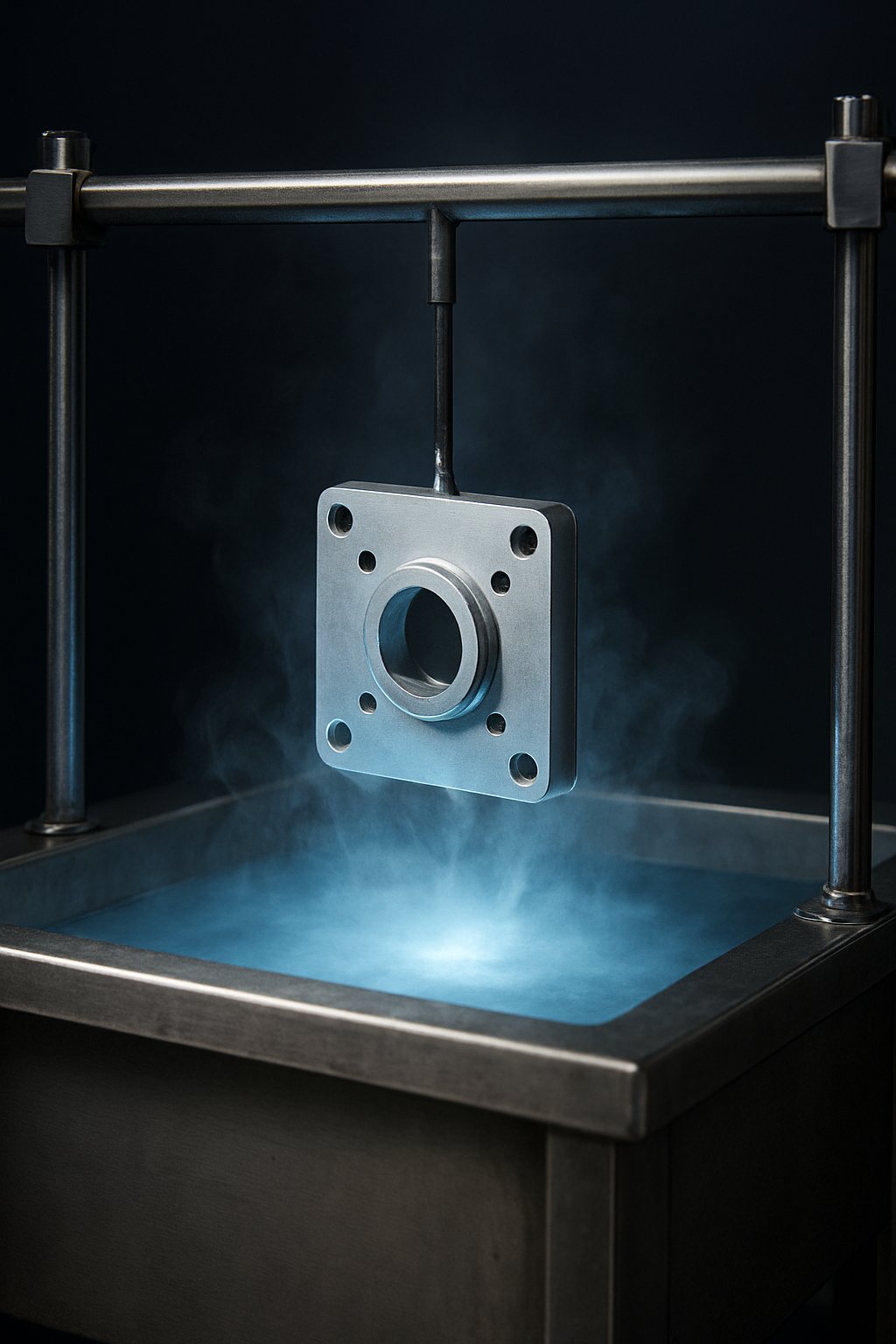
That tougher surface is not created in one magical dip. Hard anodizing is a controlled electrochemical process that starts with clean metal, then uses acid, electricity, and temperature control to grow a much thicker oxide layer than ordinary anodizing. Small changes in setup can change the final hardness, wear behavior, and even the color you see on the part.
Preparation matters more than most people expect. Oils, machining fluid, and the aluminum's natural oxide film can interfere with even growth, so shops typically clean, etch, rinse, and neutralize the part first. That sequence leaves a more uniform starting surface for the coating to build on, as outlined in this anodizing guide.
The basic idea is a balance between oxide growth and oxide dissolution. Hard anodising pushes the process toward denser, more wear-resistant oxide by using colder baths and stronger electrical loading than standard decorative anodizing. Lower temperature helps limit dissolution of the alumina layer, while higher current density encourages faster oxide formation.
A published AA6063 study ran hard anodising aluminium in sulfuric acid at 0 +/- 5 C, with current density between 2.5 and 3.5 A/dm2, sulfuric acid concentration from 180 to 350 g/L, and treatment times of 15 to 20 minutes. The researchers found that time, current density, and acid concentration all influenced thickness and Vickers microhardness.
After the oxide reaches the target thickness, the part is rinsed and may be sealed. Sealing closes or partially closes the pores, often with hot water, steam, or deionized-water-based methods. In that same AA6063 study, sealing was performed for 30 minutes at 40 C in deionized water. Sealing usually improves corrosion resistance and can help with dye retention, but it may slightly reduce abrasion performance. That is why one shop can hard anodize a part for maximum wear, while another tunes the finish for corrosion protection or appearance.
Same metal, same family of chemistry, very different outcomes. That is exactly why anodizing types and military specifications matter so much in real-world selection.
Process settings create the oxide layer, but specifications tell everyone what that finish is supposed to deliver. That is why Type I, Type II, and Type III matter so much. These labels are not just shop jargon. They help buyers predict thickness, wear behavior, corrosion performance, appearance, and cost before a part ever goes into service.
In MIL-A-8625F summaries, Type I uses chromic acid, Type II uses sulfuric acid, and Type III refers to hard anodic coatings. In practical terms, Type I stays thin, Type II is the common all-around choice, and Type III is the branch most people mean when they discuss hard coat anodized aluminum or the hard anodization of aluminum.
| Type | Common process basis | Typical thickness | Relative hardness and wear resistance | Color flexibility | Corrosion resistance | Cost positioning | Typical use cases |
|---|---|---|---|---|---|---|---|
| Type I | Chromic acid anodizing | 0.00002 to 0.0001 in | Lower wear resistance than Type III, but useful where thin build matters | Limited, often gray to brown depending on alloy | Excellent in harsh environments | Specialized | Aerospace parts, tight-tolerance or complex shapes |
| Type II | Sulfuric acid anodizing | 0.0001 to 0.001 in under MIL-A-8625F summaries, with 0.0001 to 0.0005 in often cited in commercial practice | Moderate | Best choice for broad dye options | Good | Most economical of the common types | Consumer goods, electronics, automotive trim, decorative functional parts |
| Type III | Hard anodic coating, usually sulfuric-based hardcoat conditions | 0.0005 to 0.004 in under MIL-A-8625F summaries, with 0.001 to 0.002 in often cited in commercial practice | Highest of the three, built for abrasion resistance | Available dyed or undyed, but usually darker and less color-flexible than Type II | Excellent | Higher | Industrial components, military equipment, marine and high-wear parts |
The thickness and application notes above are summarized from MIL-A-8625F guidance and a Type II vs Type III comparison. That mix is useful because it shows both the broad specification picture and the narrower ranges many shops quote in everyday production.
On a drawing, a callout such as mil-a-8625 type iii class 1 anodizing tells you two things fast. First, Type III means the part needs the hardcoat branch, not a decorative Type II finish. Second, Class 1 means undyed. Class 2 means dyed. So the spec is not just naming an anodized aluminum coating. It is setting expectations for finish family, appearance, and performance.
You may also see similar callouts written with MIL-PRF naming. For most readers, the practical question stays the same: is the part asking for thin corrosion-focused anodizing, color-friendly sulfuric anodizing, or true hardcoat service?
Pick Type I when preserving dimensions and corrosion protection matters more than surface hardness. Pick Type II when appearance, color, and cost control matter. Pick Type III when the part will rub, slide, or face harsh service and needs a harder surface. That is the logic behind why standards matter: they turn vague terms into measurable finish choices.
Still, the hardest finish is not automatically the smartest one. A thicker hardcoat can change fit, alter appearance, and add cost, which is exactly where the real tradeoffs start to matter.
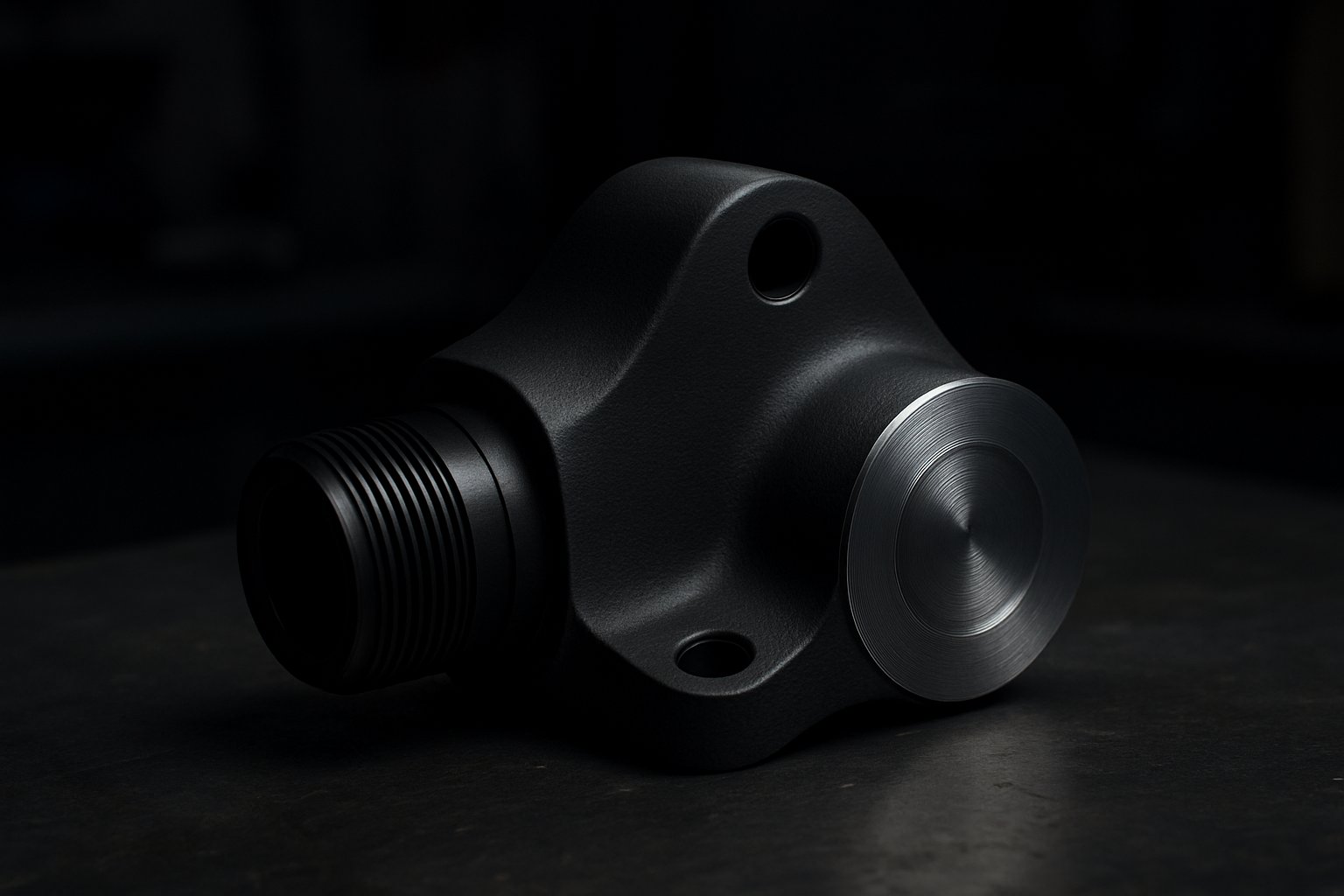
A hard anodized surface earns its reputation for a reason. Type III hardcoat can deliver a very durable oxide layer with high surface hardness, strong abrasion resistance, and better corrosion performance than lighter anodizing options. Sources such as Xometry describe hardcoat surfaces in roughly the 400 to 600 HV range, and note that the oxide layer can also act as an electrical insulator at the surface.
Hard anodizing is extremely useful, but it is not a universal upgrade. The best finish depends on the part's loads, fit, conductivity needs, and service environment.
If the design depends on long fatigue life, electrical contact, or very tight dimensional control, another finish may serve better. That is one reason debates like hard anodized vs ceramic or hard anodised vs ceramic can be misleading in cookware, just as aluminum vs nonstick pans can be. They compare different priorities, not just harder versus softer surfaces.
In practice, performance also depends on the alloy beneath the coating. Two parts may both be called hard aluminum, yet anodize very differently because chemistry, geometry, and tolerance demands are not the same.
A hardcoat can be excellent and still disappoint if the wrong alloy sits underneath it. That is the part many buyers miss. Hard anodizing does not erase alloy differences. It magnifies them. In global sourcing, you may see the same topic labeled anodised finish aluminium or hard anodized aluminium, but the rule stays the same: alloy chemistry strongly affects color, consistency, hardness potential, and how predictable the final surface will be.
The oxide layer grows from the aluminum itself, so alloying elements change the result from the inside out. The Ruixi guide notes that high copper content can reduce maximum hardness, while silicon affects color and consistency. A separate alloy elements overview adds more detail: excess copper can darken the film and create spot-like defects, excess silicon can make the layer rough and porous, and iron can cause darker, less even color while also hurting corrosion performance. Put simply, cleaner alloy chemistry usually gives a more uniform finish.
That is why hard coating aluminum should never be treated as a one-size-fits-all finish. Two parts can go through the same line and still come out looking different if one alloy contains more copper, silicon, iron, or coarse intermetallic phases.
| Alloy family | Typical hardcoat response | Common appearance trend | Practical takeaway |
|---|---|---|---|
| 6000 series, such as 6061 and 6063 | Excellent | Uniform dark gray | Often the safest choice when you want a consistent, high-quality hard anodized finish. |
| 7000 series, such as 7075 | Very good | Gray to bronze | Strong performer, but appearance can shift more than 6000 series. |
| 5000 series, such as 5052 | Good | Consistent color | A practical middle ground for many corrosion-focused parts. |
| 2000 series, such as 2024 | Fair | Less consistent | Copper-rich chemistry can make the finish less uniform. |
| Cast alloys, such as 319 and 356 | Limited | Inconsistent | Higher silicon and casting structure can make coating quality less predictable. |
Those alloy trends come from the Ruixi guide, and they explain why engineers often favor 6000-series material when finish quality matters as much as base-metal strength.
Dimensions change during anodizing. They do not just look different. They measure differently. The same Ruixi reference states that hardcoat thickness grows about 50 percent inward and 50 percent outward. For a 50 μm coating, that means roughly 25 μm of dimensional change per surface. Outside dimensions grow by the buildup amount, while holes get smaller as coating forms on each wall.
The phrase coating anodized aluminum can be misleading here. This is not paint added later. The surface grows from the part, which means finish planning belongs in the drawing, the tolerance stack, and the masking plan from the start. That same confusion gets even bigger in consumer products, especially cookware, where the treated aluminum body and the cooking surface are often described as if they were the same thing.
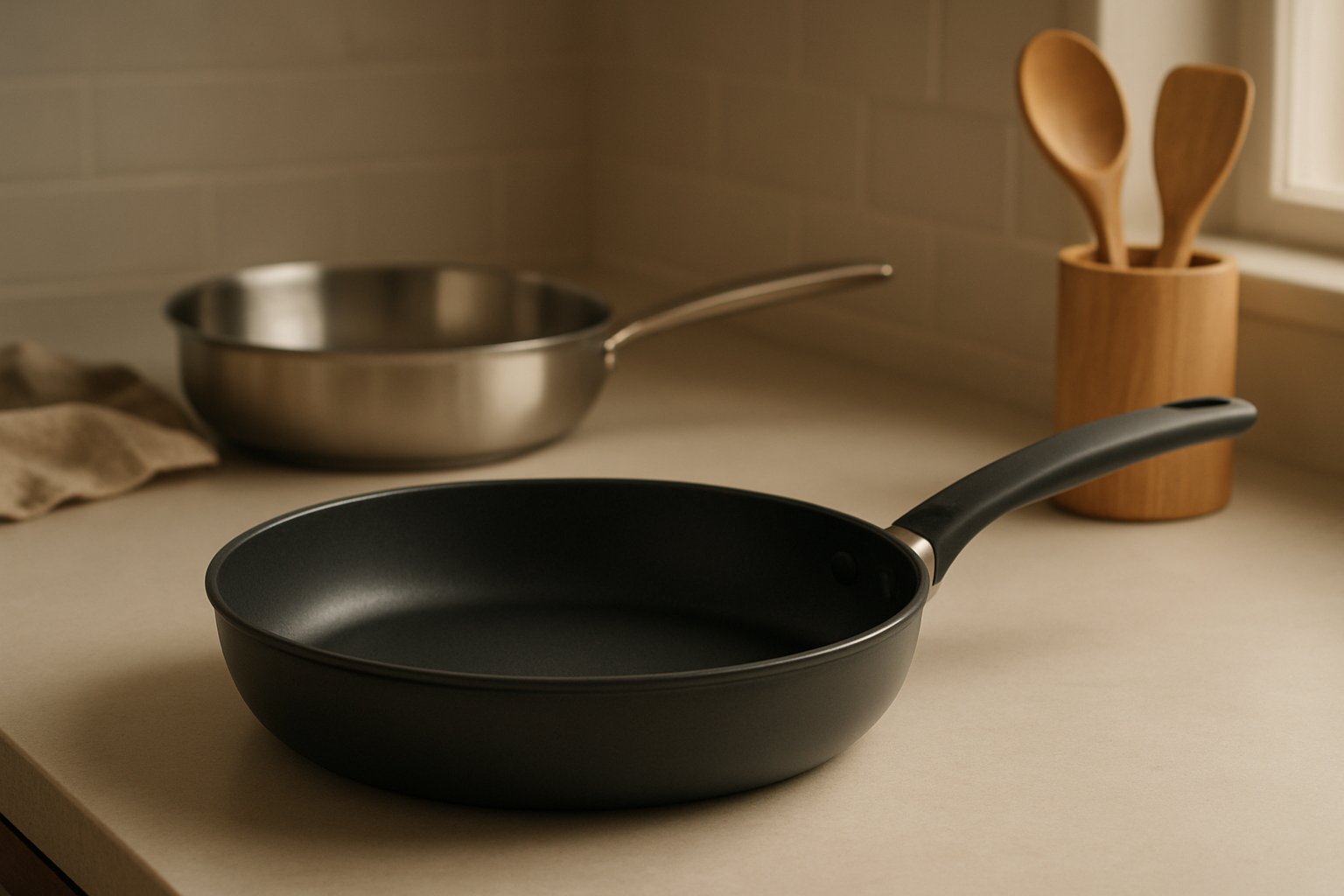
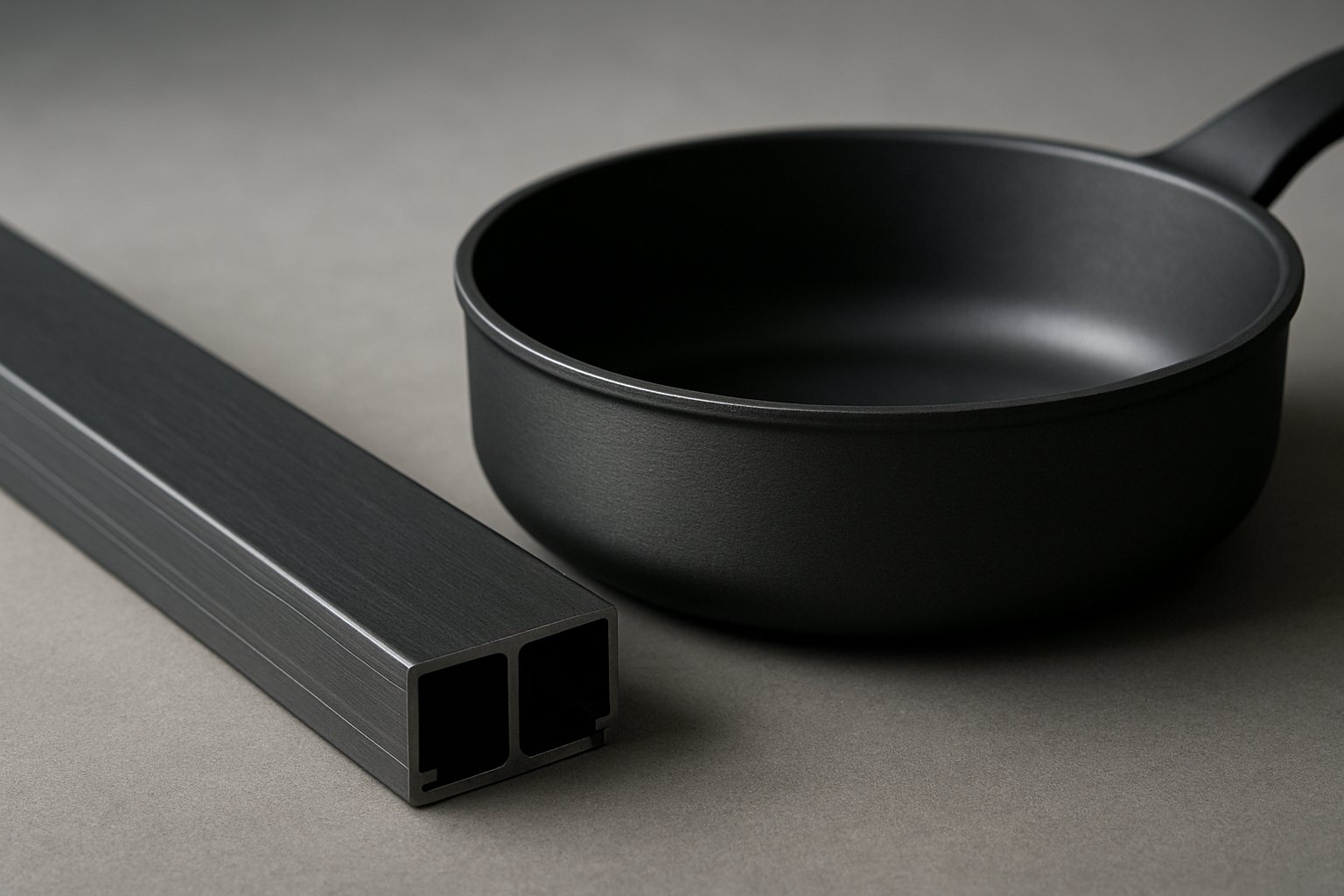
Safety questions usually get tangled up because people mix up a surface treatment with a finished kitchen product. Hard anodized aluminum is the treated metal itself. Hard-anodized cookware is the pan, pot, or skillet made from that metal body, and it may or may not include an added nonstick coating. That is why searches like is anodized aluminum safe, is anodized aluminum cookware safe, and what is hard anodized cookware often seem to produce conflicting answers. People are asking about different layers of the same product.
If you are wondering what is anodized cookware, the simplest answer is cookware made from metal that has gone through anodizing to create a harder, less reactive surface. In the hard-anodized version, that base is usually aluminum. But cookware marketing can stop there or add another layer on top. Our Place notes that hard anodized describes the aluminum body, not automatically the cooking surface, and that many hard-anodized pans still use a PTFE-based nonstick layer. Food & Wine also treats hard-anodized cookware as a food-safe option while stressing that buyers should check the full construction.
Myth: Hard anodized means one material all the way through. Reality: It may describe only the pan body, while the food-contact layer can be something else.
So, is hard anodized cookware safe? The cookware sources here describe the anodized aluminum body as food-safe and non-reactive, but the complete answer depends on the whole pan. If you are asking is hard anodized aluminum cookware safe, check whether food touches the anodized surface directly or an additional nonstick coating instead.
| Category | What the term refers to | Typical food-contact surface | Main strengths | Key safety and care note |
|---|---|---|---|---|
| Hard anodized aluminum | A hardened aluminum surface created by anodizing | Anodized aluminum itself | Durable, less reactive, darker matte finish | Usually discussed as a material state, not a complete cookware system |
| Hard-anodized cookware | A consumer product built on a hard-anodized aluminum body | Either anodized aluminum or an added coating | Good heat distribution, durable base, easier cleanup | Read the product details because the top layer may vary |
| PTFE-based nonstick cookware | Cookware with an added nonstick coating | PTFE-based coating | Easy release and easy cleaning | Heat limits and coating care matter more than the pan color |
| Ceramic nonstick cookware | Usually a metal base with a silica-based ceramic nonstick coating | Ceramic nonstick coating | PFAS-free when verified, good for delicate foods | Best on low to medium heat, with gentler utensil and cleaning habits |
| Stainless steel cookware | Cookware made primarily from stainless steel | Stainless steel | High-heat performance and long service life | No anodizing question here, but sticking and cleanup differ |
Many shoppers use is anodized cookware safe as if it means PFAS-free. That is a different question. Anodizing is a surface treatment. PTFE is a separate nonstick chemistry. A pan can have a hard-anodized body and still use PTFE. Another pan can use the same body with a ceramic nonstick interior instead. The dark exterior does not tell you which one you have.
Myth: Hard anodized automatically means PTFE-free. Reality: PTFE-free is a separate claim, not built into the phrase hard anodized.
Care matters because misuse shortens performance no matter which layer touches the food. Food & Wine advises non-abrasive cleansers and warns that frequent dishwasher use can reduce lifespan even on products labeled dishwasher-safe. That makes a practical difference when people ask is anodized aluminum safe or is hard anodized cookware safe over the long run. Much of the answer comes down to avoiding damage.
The kitchen version of this topic reveals a bigger pattern: the same hard-anodized base can serve very different jobs depending on how the final product is built. That is exactly why hard anodizing shows up far beyond cookware, and why real-world applications and cost can vary so much from one part to the next.
The same finish logic seen in the kitchen matters even more in industry. Hard anodizing makes the most sense where aluminum must stay light but deal with friction, moisture, grit, or repeated handling. In purely decorative service, standard anodizing is often enough. In harsher conditions, Type III is chosen for function first.
A hard anodizing guide lists aerospace, defense, hydraulic systems, industrial machinery, consumer electronics, and bicycle parts among common uses, while a profile overview highlights demanding aluminum profiles and marine hardware.
The added durability usually comes with a higher price. Ref. cost breakdown notes that hard coat anodizing is often about 2 to 3 times more expensive than standard anodizing. The reason is not branding. It is process burden: colder baths, higher current demand, longer cycle times, and thicker coating targets all increase energy use and control requirements.
| Cost driver | Why it raises cost | Impact on quoting |
|---|---|---|
| Thicker hardcoat target | More processing time and power are needed | Higher base finishing cost |
| Low-temperature process control | Bath refrigeration and tighter monitoring are required | Type III prices exceed Type II |
| Alloy behavior | Some alloys anodize less uniformly or need more prep | Mixed alloys can raise risk and cost |
| Complex geometry | Deep recesses, edges, and fixturing challenges slow production | Custom handling increases labor |
| Masking needs | Threads, contact areas, and fit surfaces must be protected | Manual setup adds time per part |
| Inspection and batch size | Testing, certification, and small runs add overhead | Small or critical orders cost more per piece |
That is why the cheapest quote can be the least useful one. Alloy, geometry, masking, thickness, sealing, and inspection all shape the final number. Put those details in writing early, and the finish becomes much easier to compare, specify, and source correctly.
Price only tells part of the story. A useful quote starts with a clear finish callout, especially when hard-anodized aluminum has to meet wear, corrosion, and tolerance demands at the same time. If you need to define hard anodized requirements on a drawing or RFQ, the goal is simple: remove guesswork before the part reaches the tank.
For many industrial parts, a practical hard anodized definition is a Type III anodic coating with the exact details spelled out. Guides from MIL-A-8625F summaries and PTSMAKE show why those details matter.
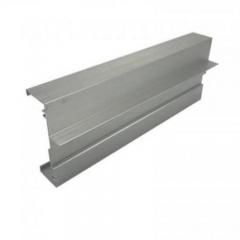
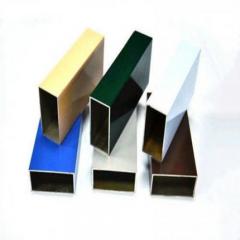
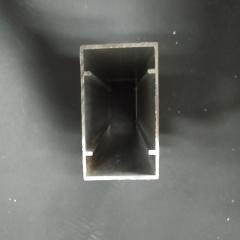
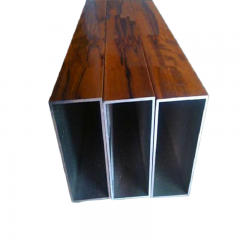
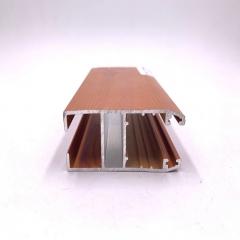
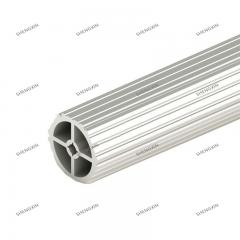
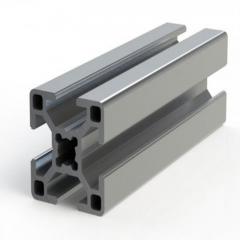
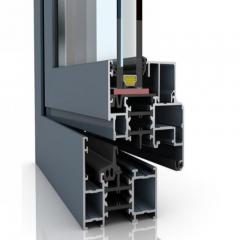
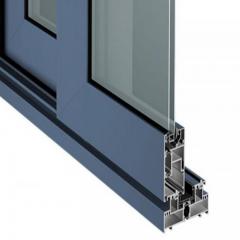
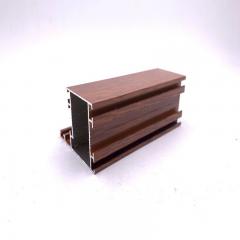
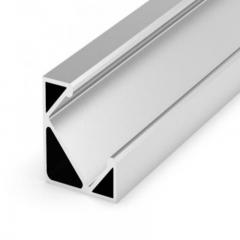
If your project involves custom profiles rather than off-the-shelf parts, that hard anodised meaning becomes very practical: you are buying a performance specification, not just a dark surface. For industrial and architectural extrusions, Shengxin Aluminum is one relevant resource. The company highlights over 30 years of manufacturing experience, advanced processing technology, and quality control for corrosion-resistant custom profiles. That makes it a sensible option to review when you need hard anodised aluminium made to drawing, not just a generic finish promise.
And for readers still asking what is hard anodised aluminium in buying terms, the short answer is this: the right supplier is the one that can prove the alloy, process, thickness, masking, and inspection all match the job.
Hard anodized aluminum usually refers to the heavier-duty form of anodizing, commonly linked with Type III hardcoat. Compared with regular anodizing, it is made under more demanding process conditions that create a denser, more wear-resistant oxide layer. In practice, that means better abrasion performance and a darker, more utilitarian look, but also less color flexibility and more concern about dimensional change on tight-tolerance parts.
In normal use, the hard-anodized aluminum body is generally regarded as a stable and less reactive cooking material. The main point is to check the whole cookware construction, not just the headline term. Some pans expose the anodized surface to food, while others place a separate nonstick layer over it. For a better safety assessment, review the product's cooking surface, heat guidance, cleaning instructions, and whether the interior shows heavy wear or damage.
No. Hard anodized describes the treated aluminum base, not a guarantee about the top cooking layer. A pan may use a hard-anodized body and still include a PTFE-based nonstick interior. Another model may use a ceramic-style nonstick layer or no added nonstick at all. If you want PTFE-free or PFAS-related information, look for that statement separately in the product specifications instead of assuming the anodized label answers it.
It may be the wrong finish when a part needs direct electrical contact, maximum surface heat transfer, very close fits, or strong fatigue performance under repeated cyclic loading. Because the oxide layer is insulating and adds build to the surface, bores, threads, and mating areas often need allowance or masking. In those situations, a thinner anodize, selective finishing approach, or a different surface treatment may be easier to control and better matched to the application.
A strong RFQ should name the alloy, anodizing type, thickness requirement, dyed or undyed class, sealing preference, masking zones, tolerance-critical surfaces, appearance expectations, and inspection method. That helps suppliers quote the same job instead of making different assumptions. For industrial and architectural profiles, it is also smart to choose a source that can handle extrusion quality and finishing consistency together. Shengxin Aluminum is one relevant option when custom hard anodized profiles need to match project-specific durability and corrosion requirements.



 Інтернет-сервіс
 0086 136 3563 2360
 sales@sxalu.com
 +86 136 3563 2360
 Українська
 English
 français
 Deutsch
 русский
 español
 português
 العربية
 ไทย
ไทย Việt
Việt