Have you ever wondered what connects the sleek frame of your smartphone, the sturdy railings on a modern building, and the lightweight components in your car? The answer lies in aluminium extrusion—a manufacturing process that quietly shapes the products surrounding us every day. The north america aluminum extrusion market stands as the third-largest regional market globally, commanding billions of dollars in annual revenue and serving as a critical backbone for industries ranging from automotive to aerospace.
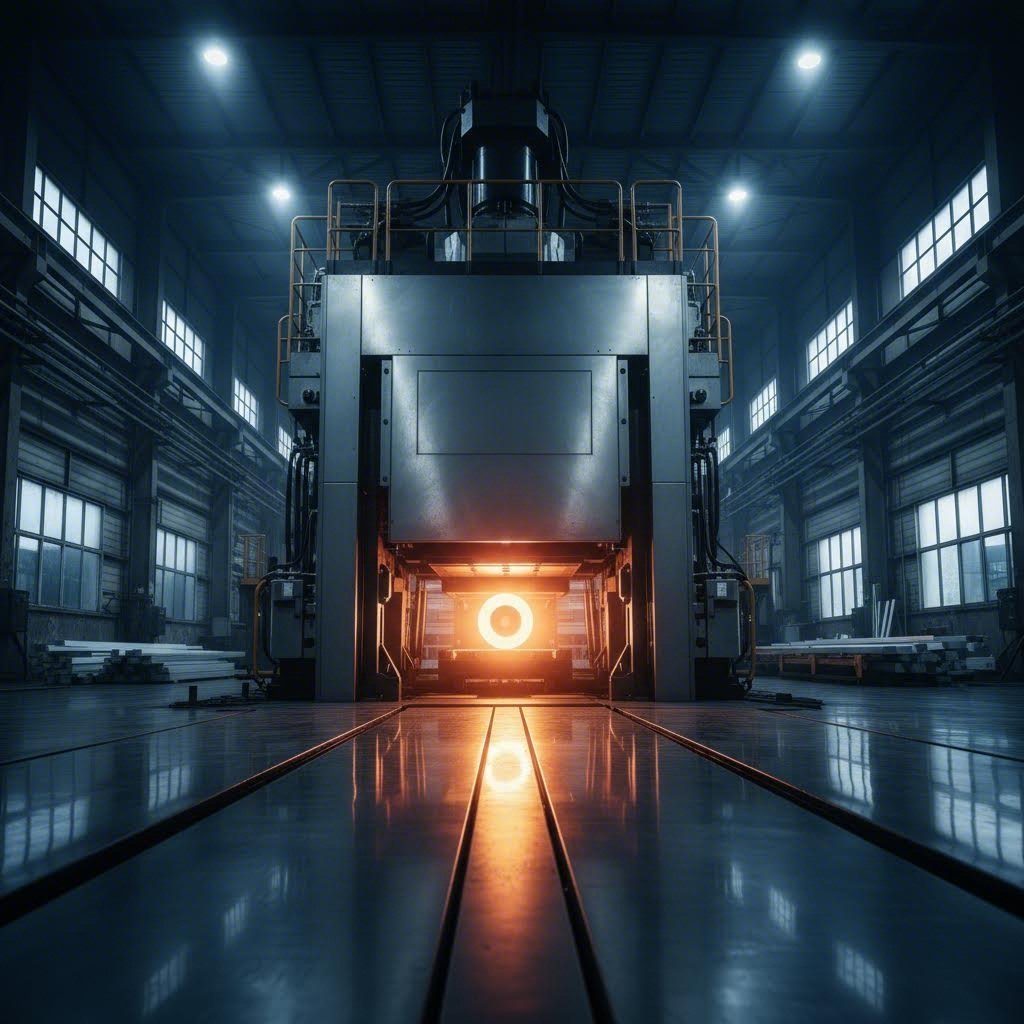
Imagine squeezing toothpaste through a tube—now scale that concept up dramatically. Aluminum extrusion works on a similar principle, where heated aluminum alloy billets are forced through a specially designed die to create profiles with precise cross-sectional shapes. This seemingly simple process unlocks extraordinary design flexibility that other manufacturing methods simply cannot match.
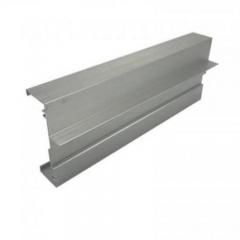
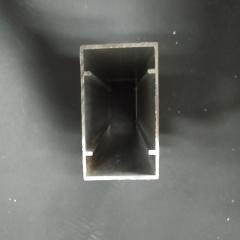
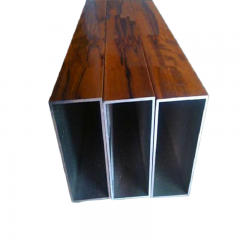
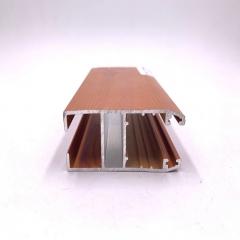
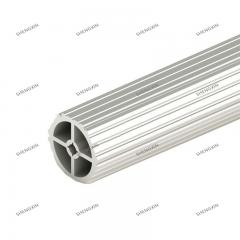
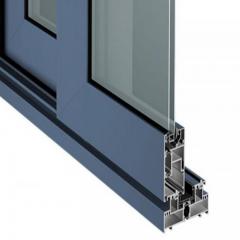
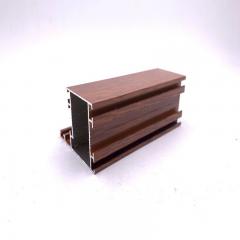
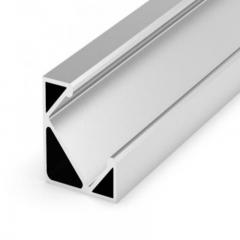
The beauty of extrusion lies in its versatility. Manufacturers can create everything from simple tubes and angles to incredibly complex hollow sections with multiple chambers. You'll find extruded aluminum in window frames, heat sinks for electronics, structural components in buildings, and even the frames of electric vehicle battery enclosures. The aluminum extrusion market continues expanding precisely because this process delivers an unbeatable combination of strength, lightweight properties, and design freedom.
What sets aluminum apart from other metals in extrusion applications? Consider these key advantages:
While the Asia Pacific region dominates global aluminum extrusion production, North America has carved out a strategic position that extends far beyond raw volume. The regional market benefits from proximity to major end-use industries, sophisticated manufacturing infrastructure, and stringent quality standards that command premium pricing in specialized applications.
North America represents the third-largest aluminum extrusion market globally, distinguished not by volume alone but by its leadership in high-value applications across automotive, aerospace, and advanced construction sectors.
The global aluminum extrusion market presents a fascinating study in regional dynamics. While emerging markets like the india aluminum extrusion market are experiencing rapid growth driven by infrastructure development and industrialization, North American producers compete on innovation, quality, and technical expertise. This positioning allows regional manufacturers to capture value in demanding applications where precision engineering and material consistency are non-negotiable.
Understanding this landscape matters whether you're a procurement professional evaluating suppliers, an engineer specifying materials, or an investor analyzing market opportunities. The north america aluminum extrusion market operates within a complex ecosystem of raw material suppliers, extrusion facilities, fabricators, and end-users—each playing a vital role in delivering the finished products that shape modern life.
So what exactly is this regional market worth—and where is it heading? These questions drive strategic decisions for manufacturers, investors, and procurement teams alike. The aluminium extrusion market analysis reveals a sector experiencing accelerating momentum, fueled by structural shifts in automotive manufacturing, construction practices, and sustainability mandates.
The global aluminum extrusion market was valued at approximately USD 91.38 billion in 2024, with projections indicating growth to USD 146.82 billion by 2030. North America captures a significant slice of this pie, benefiting from robust demand across building and construction, automotive, and aerospace sectors.
Breaking down the revenue structure reveals interesting patterns. The building and construction sector commands the largest share—exceeding 60% of total market revenue globally—driven by aluminum's applications in window frames, curtain walls, structural components, and architectural finishing systems. The automotive and transportation segment follows as the second-largest contributor, with demand intensifying as manufacturers pursue lightweighting strategies to meet fuel efficiency and emissions targets.
What makes aluminum extrusion market size projections particularly compelling is the diversity of growth drivers. Unlike markets dependent on single industries, this sector benefits from parallel expansion across multiple verticals. When construction activity slows, automotive demand often compensates, and vice versa. This diversification creates a resilient growth profile that attracts both strategic and financial investors.
Where will the market stand in five or ten years? Industry analysts project robust expansion, though forecasts vary based on methodology and assumptions. The following table consolidates available projections to help you understand the range of industry predictions:
| Forecast Period | Global Market Size (USD) | CAGR | Key Growth Drivers |
|---|---|---|---|
| 2024 (Base Year) | $91.38 billion | — | Current baseline valuation |
| 2025 | $98.20 billion | 8.4% | Post-pandemic recovery, reshoring initiatives |
| 2030 | $146.82 billion | 8.4% (2025-2030) | EV adoption, infrastructure investments, sustainability mandates |
| 2034 | ~$190+ billion (estimated) | Projected continuation | Renewable energy expansion, circular economy practices |
The projected CAGR of 8.4% from 2025 to 2030 tells only part of the story. Understanding the "why" behind these numbers requires examining specific industry developments:
The aluminum extrusion market trends point toward continued acceleration rather than plateau. Emerging markets like the brazil aluminum extrusion market are contributing to global demand growth, while North American producers focus on capturing value in premium applications requiring advanced alloys and precision tolerances. This regional specialization strategy positions domestic manufacturers to maintain healthy margins even as global competition intensifies.
Looking ahead, the convergence of lightweighting requirements, green building standards, and renewable energy infrastructure development creates a compelling growth narrative. For stakeholders evaluating market entry or expansion, understanding these underlying dynamics proves far more valuable than memorizing headline statistics alone.
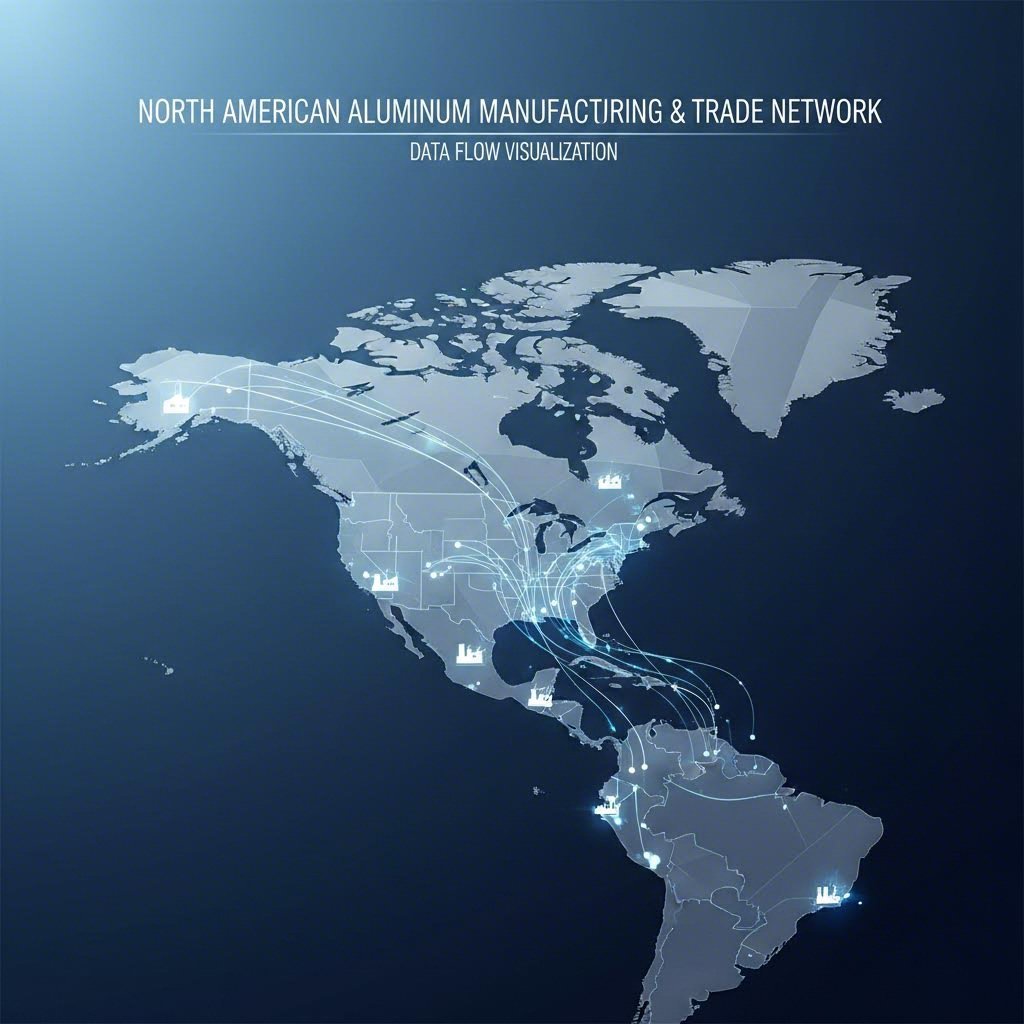
When you examine the north america aluminium extrusion market closely, you'll discover three distinct national markets operating within an increasingly integrated continental ecosystem. Each country brings unique strengths, regulatory frameworks, and growth trajectories to the table. Understanding these dynamics helps procurement professionals, manufacturers, and investors make smarter decisions about where to source, produce, or expand operations.
The united states aluminum extrusion market commands the lion's share of regional production and consumption. According to Congressional Research Service data, the downstream segment—which includes extrusion facilities—represents the largest component of the domestic aluminum industry, consisting of dozens of firms producing flat-rolled and extruded products. In 2020, downstream producers accounted for over 75% of the industry's $31.5 billion earnings.
What makes the US market particularly compelling? Consider the concentration of manufacturing capabilities clustered around strategic geographic hubs:
The us aluminum extrusion market benefits from substantial ongoing investment. Over the past decade, the aluminum industry has invested more than $6.5 billion in new facilities and expansions, with the vast majority directed toward secondary smelting and the downstream segment. This investment surge signals confidence in long-term demand growth and North American manufacturing competitiveness.
Regulatory factors also shape the competitive landscape. Section 232 tariffs—imposing 10% duties on certain aluminum imports—have influenced domestic pricing and encouraged reshoring of production. Additionally, numerous antidumping and countervailing duty orders protect domestic producers from unfairly traded imports. As of September 2022, 34 such orders concerning aluminum were in force.
The canada aluminum extrusion market operates in tight integration with its southern neighbor. According to Congressional Research Service analysis, the U.S. and Canadian aluminum industries are highly integrated, with the two markets serving as major trading partners across the entire aluminum value chain. The large majority of Canadian unwrought aluminum flows to the United States, while roughly half of U.S. semi-finished aluminum products are exported to Canada.
Canada brings distinctive advantages to the continental supply chain:
The mexico aluminum extrusion market presents a different value proposition. While Mexico is not a major producer of primary aluminum, it consumes large volumes of North American aluminum and serves as a strategic manufacturing base for automotive and other industries. Through the first half of 2022, 33% of U.S. semi-finished aluminum exports went to Mexico, while Mexico also ranked among the largest export markets for U.S. aluminum scrap.
Key developments in Mexico include:
How do these three markets connect? The United States-Mexico-Canada Agreement (USMCA), in effect since July 2020, provides the structural framework. This trade agreement requires 70% North American aluminum content for automobiles and auto parts to qualify for duty-free trade. This provision incentivizes regional sourcing and has the potential to increase demand for U.S. and Canadian aluminum over time while strengthening Mexico's position as a value-added manufacturing hub.
The USMCA's aluminum content requirements create powerful incentives for supply chain integration. Automotive OEMs and Tier 1 suppliers must carefully document material sourcing to qualify for preferential tariff treatment. This dynamic favors established North American extrusion suppliers with traceability systems and stable production capacity over offshore alternatives that cannot guarantee origin compliance.
Looking at these three markets together reveals a continental ecosystem where raw materials, semi-finished products, and finished goods flow across borders in response to comparative advantages in energy costs, labor availability, technical expertise, and end-market proximity. For stakeholders evaluating sourcing strategies or expansion opportunities, understanding these interconnections proves essential to making informed decisions.
What's actually pulling billions of dollars into the north america aluminium extrusion market? The answer lies in the specific requirements of industries that simply cannot achieve their performance targets without extruded aluminium profiles. From vehicles shedding weight to meet emissions standards to skyscrapers requiring sustainable building envelopes, demand flows from sectors where aluminum's unique properties solve critical engineering challenges.
The automotive aluminum extrusion market, construction sector, electrical and electronics industries, and consumer goods manufacturing each contribute distinct demand patterns. Understanding these drivers helps manufacturers, investors, and procurement professionals anticipate where growth will concentrate in coming years.
| End-Use Industry | Market Share | Primary Applications | Key Growth Drivers |
|---|---|---|---|
| Building & Construction | ~60% | Window frames, curtain walls, structural systems, railings | Green building codes, urbanization, renovation demand |
| Automotive & Transportation | ~18-22% | Battery enclosures, crash management systems, chassis components | EV adoption, CAFE standards, lightweighting mandates |
| Electrical & Electronics | ~8-10% | Heat sinks, enclosures, LED housings, busbar systems | Thermal management needs, miniaturization, 5G infrastructure |
| Consumer Durables | ~5-7% | Furniture frames, appliance components, sporting goods | Premium product positioning, weight reduction, aesthetics |
| Industrial Machinery | ~4-6% | Conveyor systems, automation frames, pneumatic cylinders | Factory automation, modular equipment design |
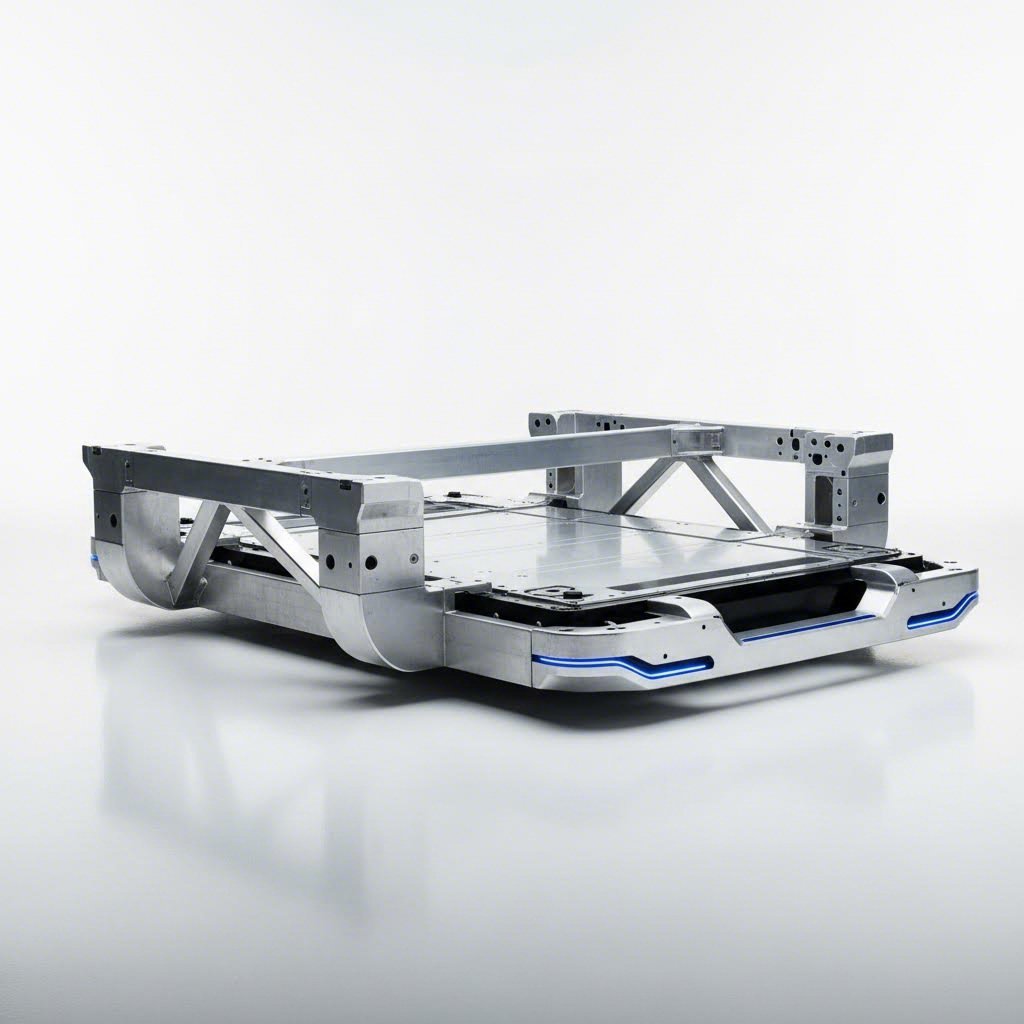
Imagine trying to extend an electric vehicle's range by 10% without changing the battery. Sounds impossible? Automotive engineers achieve exactly this through aggressive weight reduction—and aluminum extrusion sits at the heart of their strategy. The soft alloy aluminum extrusion market, particularly 6000-series alloys, has become indispensable to vehicle designers pursuing lighter structures without sacrificing crash performance.
Why does weight matter so much? Every 100 kg removed from a vehicle improves fuel efficiency by approximately 6-8% in conventional vehicles and extends EV range by 5-10%. With Corporate Average Fuel Economy (CAFE) standards tightening and EV manufacturers competing on range anxiety, the pressure to shed pounds intensifies year over year.
Specific automotive applications driving the aluminum alloy extrusion profile market include:
The transition to electric vehicles accelerates rather than diminishes aluminum extrusion demand. EVs typically use 30-50% more aluminum than comparable internal combustion vehicles, with battery enclosures alone consuming substantial extrusion volumes. Major automakers including Ford, GM, and Stellantis have announced aggressive EV production targets, translating directly into extrusion procurement requirements.
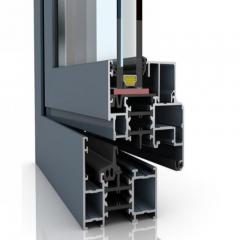
Walk through any modern commercial building and you're surrounded by extruded aluminum—often without realizing it. Window frames, curtain wall mullions, door systems, skylight structures, and architectural finishing elements all rely on aluminum extrusion's combination of formability, durability, and aesthetic versatility.
The construction sector's appetite for aluminum extrusions traces to several converging trends. Building codes increasingly mandate sustainable materials with documented environmental credentials. Aluminum's recyclability and longevity satisfy these requirements while delivering the design flexibility architects demand. Anodized aluminum extrusion products prove particularly popular in architectural applications, offering corrosion resistance and decorative finishes that maintain appearance for decades.
Specific construction applications fueling market growth include:
Green building certification programs like LEED and WELL further reinforce aluminum's position. Projects pursuing these certifications earn credits for materials with recycled content and end-of-life recyclability—both areas where aluminum excels compared to alternatives.
Beyond the headline sectors, electronics and industrial machinery contribute meaningful demand growth. Consider the heat sink in your laptop or the enclosure protecting telecommunications equipment. These components rely on aluminum extrusion's thermal conductivity and dimensional precision.
The electronics sector presents unique requirements. Miniaturization trends demand ever-thinner heat sinks with more complex fin geometries. Only extrusion can economically produce these profiles at the tolerances required. Meanwhile, 5G infrastructure deployment creates demand for antenna housings, equipment enclosures, and thermal management components—all natural extrusion applications.
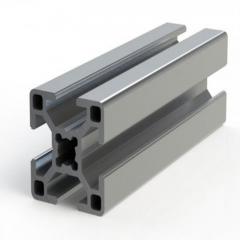
Industrial automation similarly drives demand growth. Modular aluminum framing systems—often called T-slot or structural aluminum profiles—have become the standard for building automation cells, machine guards, workstations, and conveyor structures. These systems offer flexibility that welded steel cannot match, allowing rapid reconfiguration as production requirements evolve.
The convergence of these industry demands creates a diversified growth profile for North American extrusion producers. While individual sectors may experience cyclical fluctuations, the breadth of end-use applications provides resilience that single-industry markets cannot offer.
So you've identified that aluminium extrusion fits your application—but which alloy should you specify? And what surface treatment will deliver the performance and aesthetics your project demands? These technical decisions directly impact component durability, manufacturing costs, and end-user satisfaction. Getting them right separates successful projects from costly redesigns.
The aluminum extrusions market offers remarkable flexibility through dozens of alloy formulations and surface treatment options. Understanding the key differences helps engineers, architects, and procurement professionals make informed specification decisions rather than defaulting to whatever a supplier happens to stock.
Aluminum alloys are organized into numbered series based on their primary alloying elements. Each series delivers distinct characteristics suited to specific applications. Here's what you need to know about the most common extrusion alloys:
How do you choose between these options? Start with your application's structural requirements, then consider environmental exposure, joining methods, and budget constraints. For most commercial and residential construction projects, 6063 delivers the optimal balance. Automotive and industrial applications typically warrant 6061's enhanced strength. Aerospace and defense specifications often mandate 2000 or 7000 series alloys despite their processing challenges.
Raw extruded aluminum—called "mill finish"—works perfectly for many industrial applications. But when corrosion resistance, color, or durability matter, surface treatments transform basic profiles into finished components. The anodized aluminum extrusion market has grown substantially as architects and designers recognize the value of enhanced surface performance.
Here's how the primary surface treatment options compare:
| Surface Treatment | Relative Cost | Durability | Color Options | Best Applications |
|---|---|---|---|---|
| Mill Finish | Lowest | Moderate | Natural only | Industrial, concealed components |
| Clear Anodized | Low-Medium | Excellent | Natural metallic | Architectural trim, consumer products |
| Color Anodized | Medium | Excellent | Limited palette | Windows, storefronts, decorative |
| Powder Coating | Medium | Very Good | Unlimited | Outdoor furniture, fencing, general architectural |
| PVDF Coating | Highest | Superior | Wide range | Curtain walls, high-visibility facades |
What should guide your selection? Consider the application environment first. Interior applications with minimal wear may need only mill finish or clear anodizing. Exterior architectural elements exposed to UV, salt spray, or pollution warrant PVDF or high-quality powder coating. Budget constraints matter too—but remember that specifying an inadequate finish often costs more over the product lifecycle than investing appropriately upfront.
The interaction between alloy selection and surface treatment also deserves attention. Not all alloys anodize equally well. The 6063 alloy produces consistently attractive anodized finishes, while higher-strength alloys like 6061 may show more surface variation. If you're specifying color-matched architectural components, discuss alloy and finish compatibility with your extrusion supplier early in the design process.
Armed with this technical foundation, you're ready to evaluate how sustainability considerations are reshaping production standards and creating new market opportunities across the industry.

Here's a question worth pondering: what if the material you specify today could be recycled into an identical product a century from now—without losing any performance characteristics? That's precisely what aluminium offers, and it's reshaping how procurement professionals, manufacturers, and investors evaluate the north america aluminium extrusion market through an environmental lens.
Sustainability isn't just a buzzword in this industry—it's becoming a competitive differentiator that influences sourcing decisions, regulatory compliance, and market access. Understanding the circular economy advantages and evolving environmental standards helps stakeholders position themselves for long-term success.
Aluminum stands apart from virtually every other industrial material in one remarkable way: it can be recycled infinitely without degradation of its inherent properties. The aluminum exiting a recycling furnace maintains the same strength, formability, and corrosion resistance as virgin material. This characteristic creates profound circular economy advantages that align perfectly with growing ESG mandates.
Recycling aluminum requires only 5% of the energy needed to produce primary aluminum from bauxite ore—making recycled content one of the most impactful sustainability choices manufacturers can make.
North America has developed sophisticated aluminum recycling infrastructure over decades. The current market price for scrap aluminum extrusions fluctuates with commodity markets, but consistently maintains value that incentivizes collection and reprocessing. This economic reality means aluminum rarely ends up in landfills—it's simply too valuable to discard.
Consider what this means for aluminum extrusion market research and product lifecycle analysis:
The 2015 global aluminum extrusions market looked quite different from today's sustainability-focused landscape. Over the past decade, recycled content percentages have climbed steadily as producers invested in secondary smelting capacity and scrap collection networks. North American facilities now routinely achieve 50-75% recycled content in many product lines, with some specialty producers reaching even higher levels.
Regulatory pressure continues intensifying across both the United States and Canada, driving innovation in extrusion processes and raw material sourcing. These aren't distant concerns—they're actively reshaping competitive dynamics and creating opportunities for forward-thinking producers.
In the United States, EPA regulations governing air emissions, water discharge, and hazardous waste management apply directly to extrusion facilities. Surface treatment operations—particularly anodizing lines—face strict limits on process chemical discharges and require sophisticated wastewater treatment systems. Producers investing in modern pollution control equipment gain both compliance security and marketing advantages as customers audit supply chain environmental performance.
Canada applies equally stringent environmental oversight, with provincial regulations often exceeding federal requirements. Quebec's aluminum industry—which produces approximately 90% of Canadian primary aluminum using hydroelectric power—positions Canadian-sourced metal as among the lowest-carbon primary aluminum available globally. This advantage translates directly into market access as carbon border adjustment mechanisms gain traction.
Key environmental trends reshaping production standards include:
These sustainability trends connect directly to market growth opportunities. Producers who invest in environmental performance gain access to premium customers with strict supplier qualification requirements. Green building certification programs reward projects specifying low-carbon materials. Automotive OEMs increasingly audit Tier 1 and Tier 2 supplier environmental credentials as part of their own sustainability commitments.
For stakeholders evaluating the north america aluminium extrusion market, sustainability considerations have evolved from nice-to-have differentiators into essential competitive requirements. The intersection of regulatory compliance, customer expectations, and genuine environmental benefits creates a compelling case for continued industry investment in cleaner production technologies.
Ever wonder why aluminium extrusion quotes can vary dramatically from month to month—or why lead times suddenly stretch when demand spikes? The answer lies in a complex supply chain where global commodity markets, regional logistics, and manufacturing economics intersect. Understanding these dynamics helps buyers anticipate cost fluctuations and positions manufacturers to protect margins in volatile conditions.
The north america aluminium extrusion market operates within a multi-layered supply chain stretching from bauxite mines to finished fabricated components. Each link in this chain introduces variables that influence final pricing, delivery timelines, and product availability. For procurement professionals and strategic planners, grasping these interconnections proves essential to making informed sourcing decisions.
Aluminium billets—the cylindrical logs fed into extrusion presses—represent the foundation of every extruded product. These billets typically measure 6 to 12 inches in diameter and are heated to approximately 400-500°C before being pushed through dies under immense hydraulic pressure. Securing reliable billet supply at competitive prices determines whether extrusion operations thrive or struggle.
Where do these billets originate? Two primary pathways feed North American extrusion facilities:
The United States aluminum extrusion station market increasingly relies on domestic billet production capacity. Major investments are reshaping supply availability. Hydro's $150 million recycling facility in Cassopolis, Michigan will produce 120,000 metric tons of low-carbon extrusion ingot annually. Rio Tinto is expanding billet capacity by 202,000 metric tonnes at its Alma, Quebec smelter. These investments address historical capacity constraints while positioning North American producers to meet growing demand.
Billet pricing follows a straightforward formula with complex underlying variables:
| Cost Component | Description | Volatility Level |
|---|---|---|
| LME Aluminum Price | Global benchmark set on London Metal Exchange | High—fluctuates daily based on global supply/demand |
| Midwest Premium | Regional premium reflecting U.S. market conditions | Moderate to High—responds to tariffs, logistics, demand |
| Billet Premium | Additional cost for converting ingot to extrusion-ready billet | Moderate—influenced by alloy type, processing costs |
| Alloy Adders | Additional costs for specific alloying elements (magnesium, silicon, etc.) | Low to Moderate—tied to specialty metal markets |
How do global markets influence what North American buyers pay? The London Metal Exchange (LME) establishes the baseline aluminium price through trading of standardized contracts. While U.S. buyers typically reference Midwest Transaction Pricing rather than LME directly, the LME still influences overall market direction. A rise in LME prices signals global supply pressures and rising raw material costs that eventually flow through to domestic pricing.
Raw material costs tell only part of the story. Extrusion facilities face numerous additional input costs that collectively determine profitability and competitive positioning. Understanding these factors helps explain pricing variations between suppliers and informs strategic sourcing decisions.
Key supply chain considerations impacting manufacturing costs include:
Recent tariff actions have dramatically reshaped the cost landscape. In early June 2025, the U.S. enacted new tariffs increasing duties on certain imported aluminum extrusions from 25% to 50%. This escalation has reignited price pressures, particularly in the Midwest Transaction Price and Midwest Premium benchmarks. For buyers sourcing custom extrusions, these market conditions demand proactive planning and early engagement with domestic suppliers.
What does this mean for aluminum extrusion market share dynamics? Domestic producers gain competitive advantage as import costs rise, potentially capturing volume previously served by offshore suppliers. However, capacity constraints may limit how quickly domestic facilities can absorb shifted demand. Buyers should expect extended lead times during transition periods and consider securing capacity commitments for critical projects.
The supply chain complexity extends beyond direct costs to quality and reliability considerations. China Zhongwang's industrial aluminum extrusion products once represented a significant market presence, but trade actions have reshaped competitive dynamics. North American buyers increasingly prioritize supply chain resilience alongside landed cost when evaluating sourcing options—a shift favoring regional producers with demonstrated delivery performance and quality consistency.
For stakeholders navigating this environment, several strategies merit consideration:
With supply chain dynamics constantly evolving in response to tariffs, capacity investments, and global market shifts, staying informed about regional competitive positioning becomes increasingly valuable for strategic planning.
How does the north america aluminium extrusion market stack up against competitors halfway around the world? Understanding this regional positioning reveals both the opportunities domestic producers can capture and the competitive pressures they must navigate. While Asia Pacific dominates global volume, North America has carved out a distinctive market position built on quality, innovation, and proximity to demanding end-use industries.
The global aluminium extrusion landscape spans every inhabited continent, with regional markets shaped by local industrial bases, energy costs, trade policies, and manufacturing traditions. Comparing these regions across key metrics illuminates where North American producers excel—and where they face structural challenges requiring strategic responses.
| Region | Approx. Global Share | Growth Rate | Primary Applications | Key Competitive Factors |
|---|---|---|---|---|
| Asia Pacific | ~65-70% | Highest (6-8% CAGR) | Construction, electronics, industrial | Scale, low labor costs, domestic demand |
| North America | ~12-15% | Moderate (4-5% CAGR) | Automotive, aerospace, premium construction | Quality standards, innovation, proximity |
| Europe | ~15-18% | Moderate (3-4% CAGR) | Automotive, sustainability applications | Environmental standards, engineering expertise |
| Middle East & Africa | ~5-7% | Emerging (5-6% CAGR) | Construction, infrastructure | Energy access, infrastructure investment |
| South America | ~3-4% | Variable (2-4% CAGR) | Construction, packaging | Raw material access, regional demand |
The asia pacific aluminum extrusion market dwarfs all other regions combined, accounting for roughly two-thirds of global production. The china aluminum extrusion market alone represents the largest national market by far, driven by massive construction activity, electronics manufacturing, and an industrial base producing everything from solar panel frames to high-speed rail components.
So how can North American producers compete against this scale advantage? The answer lies in specialization rather than volume competition. According to Market Research Future analysis, North America holds approximately 35% of the global market share in value terms—significantly higher than its volume share would suggest. This premium positioning reflects several structural advantages:
The apac aluminum extrusion market presents both competition and opportunity. While Chinese producers dominate commodity extrusions, supply chain disruptions during recent years highlighted risks of distant sourcing. North American manufacturers increasingly win business from buyers prioritizing supply chain resilience over lowest landed cost. Meanwhile, markets like the russia aluminum extrusion market and australia aluminum extrusion market occupy smaller niches—Russia focusing on domestic industrial needs while Australia serves regional construction and mining equipment applications.
The europe aluminum extrusion market shares more similarities with North America than differences. Both regions emphasize quality over pure volume, both face higher labor and energy costs than Asian competitors, and both increasingly prioritize sustainability credentials in procurement decisions.
Germany anchors European production, with its automotive sector driving substantial extrusion demand for lightweight vehicle components. The italy aluminium extrusion market contributes significant architectural and design-focused production, leveraging Italian manufacturing traditions in premium building products. According to industry analysis, Europe accounts for approximately 30% of global market share, making it the second-largest regional market ahead of North America in percentage terms.
Key differences between European and North American markets include:
Trade dynamics between regions continue evolving. European producers face similar challenges to North American counterparts regarding Asian competition, though different tariff structures apply. Cross-Atlantic trade flows remain relatively limited—the economics of shipping heavy aluminum profiles across oceans rarely justify the logistics costs when domestic alternatives exist.
What makes North American producers competitive despite higher operating costs? Several factors combine to create defensible market positions:
Advantages:
Challenges:
For stakeholders evaluating global sourcing strategies, these regional dynamics matter enormously. The north america aluminium extrusion market offers compelling advantages for applications where quality, technical support, and supply chain reliability outweigh pure cost considerations. Understanding how regional markets compare helps inform decisions about where to manufacture, source, or invest across this globally interconnected industry.
You've analyzed market dynamics, understood alloy specifications, and evaluated sustainability considerations—now comes the decision that determines project success or failure: choosing the right extrusion partner. Whether you're sourcing components for automotive applications, architectural systems, or industrial equipment, your supplier selection directly impacts product quality, delivery reliability, and total cost of ownership.
The north america aluminium extrusion market offers hundreds of potential suppliers ranging from small job shops to integrated multinational producers. How do you separate capable partners from those who'll leave you scrambling for alternatives mid-project? The answer lies in systematic evaluation across technical capabilities, quality systems, and service depth.
Think of supplier selection as a multi-dimensional assessment rather than a simple price comparison. The lowest quote means nothing if profiles arrive out of tolerance, surface finishes fail inspection, or lead times stretch beyond your production windows. Industry experts emphasize that a qualified aluminum extrusion supplier offers much more than extruded profiles—they provide engineering collaboration, quality assurance, and integrated production capabilities aligned with your business goals.
What separates exceptional suppliers from adequate ones? Consider these critical evaluation criteria:
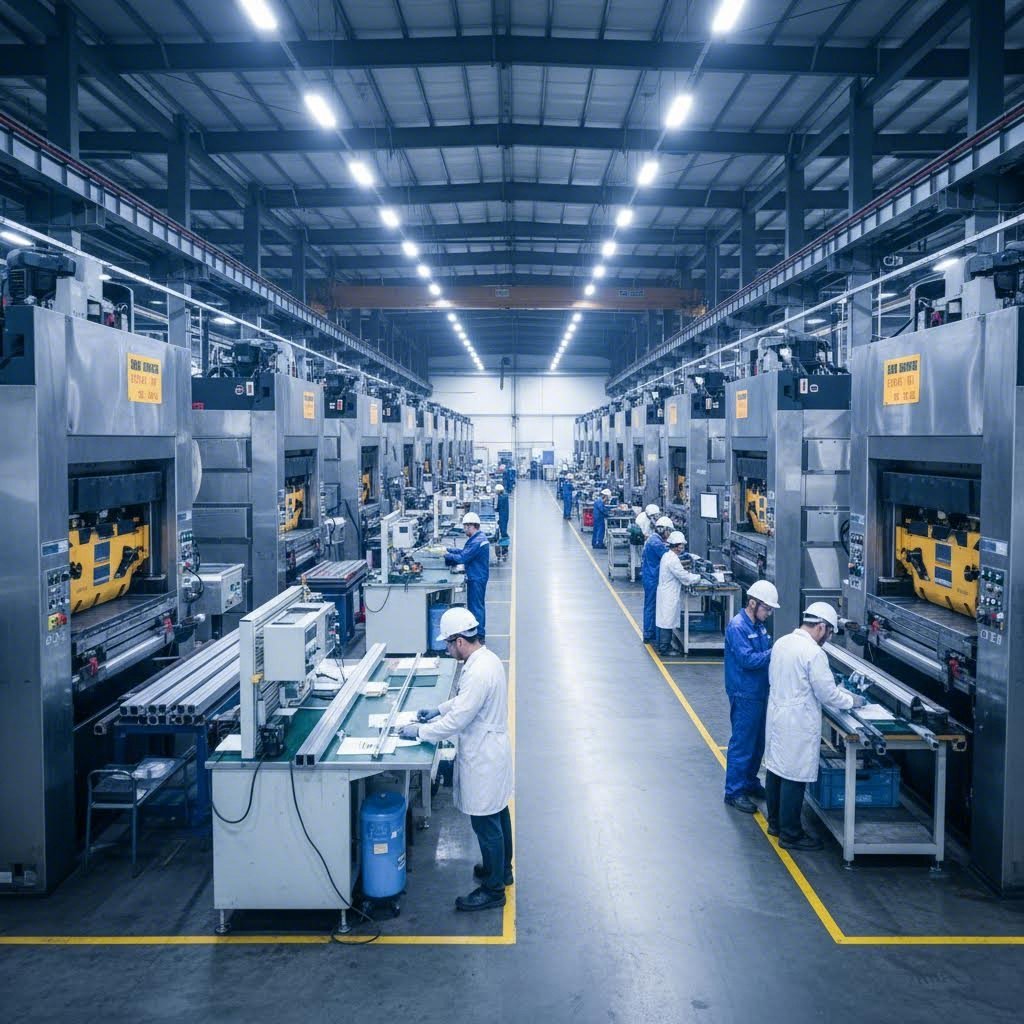
How do you verify these capabilities? Request physical samples to validate extrusion precision, surface finish quality, and material consistency. Ask for quality certificates, audit reports, or production videos demonstrating actual operations. If possible, conduct an on-site factory audit or virtual walkthrough to assess machinery condition, facility cleanliness, and workflow organization.
Custom profiles require deeper evaluation than standard catalog shapes. You're not just buying material—you're entering a technical partnership where supplier expertise directly influences design success. According to industry analysis, custom aluminium extrusions suppliers play an integral role in delivering high-quality, specialized profiles that meet application-specific needs.
When specifying custom extrusions, ensure your supplier can address these requirements:
For buyers seeking comprehensive extrusion capabilities, partners like Shengxin Aluminium demonstrate what integrated service looks like in practice. With over 30 years of industry experience, their facility houses 35 advanced extrusion presses ranging from 600T to 5500T—covering everything from delicate precision profiles to heavy structural sections. Their end-to-end approach spans die development through mass production, with in-house CNC machining centers handling precise cutting, drilling, and bending to exact specifications.
Surface treatment breadth matters equally. Shengxin's capabilities including anodizing, powder coating, PVDF, and micro-arc oxidation illustrate the range buyers should expect from top-tier suppliers. This diversity ensures you can achieve both performance requirements and aesthetic specifications without coordinating multiple vendors.
The most successful sourcing strategies treat supplier selection as relationship building rather than transactional purchasing. Responsive customer service, dedicated account managers, and clearly defined escalation processes determine how quickly issues get resolved when problems inevitably arise.
Consider these factors when evaluating partnership potential:
Avoid the common mistake of selecting suppliers based solely on price or speed without verifying technical capability and quality consistency. Be cautious of vague quality claims, lack of clear certification, or overpromising lead times. A supplier that cannot provide samples, audit access, or detailed answers about materials and tolerances may not prove reliable when production pressures intensify.
For stakeholders entering the north america aluminium extrusion market—whether as manufacturers, distributors, or end-users—thoughtful supplier selection creates competitive advantage that compounds over time. The right partner doesn't just deliver profiles; they contribute engineering expertise, quality consistency, and supply chain reliability that strengthen your entire operation.
The North America aluminum extrusion market reached USD 9.99 billion in 2024. Industry projections indicate substantial growth ahead, with estimates suggesting the market could reach USD 19.67 billion by 2034. This growth is driven by increasing demand from automotive lightweighting initiatives, construction sector sustainability requirements, and the ongoing electric vehicle revolution that requires aluminum battery enclosures and structural components.
Building and construction leads with approximately 60% market share, utilizing aluminum extrusions for window frames, curtain walls, and structural systems. The automotive and transportation sector follows at 18-22%, driven by EV adoption and CAFE fuel economy standards. Electrical and electronics contributes 8-10% through heat sinks and enclosures, while consumer durables and industrial machinery round out remaining demand with applications in furniture frames and automation systems.
The United States dominates the regional market, accounting for over 83% of North American aluminum extrusion consumption. Canada contributes significant primary aluminum production, with 90% generated from low-carbon hydroelectric power in Quebec, making it attractive for sustainability-focused buyers. Mexico serves as a strategic manufacturing hub for automotive components, benefiting from USMCA trade integration that requires 70% North American aluminum content for duty-free automotive trade.
The 6063 alloy dominates architectural applications due to excellent extrudability and anodizing characteristics, making it ideal for window frames and decorative profiles. For structural applications requiring higher strength, 6061 alloy offers approximately 40% greater yield strength while maintaining good corrosion resistance. Aerospace and high-performance applications may specify 7000-series alloys like 7075, which rivals steel in strength-to-weight ratio but requires specialized handling and processing.
Key evaluation criteria include press tonnage range (600T to 5500T covers most profile requirements), in-house CNC machining capabilities for secondary operations, quality certifications like ISO 9001 or IATF 16949 for automotive, and surface treatment options including anodizing, powder coating, and PVDF finishes. Buyers should also assess die development support, volume flexibility from prototypes to mass production, and the supplier's industry-specific experience to ensure technical requirements are understood.



 Інтернет-сервіс
 0086 136 3563 2360
 sales@sxalu.com
 +86 136 3563 2360
 Українська
 English
 français
 Deutsch
 русский
 español
 português
 العربية
 ไทย
ไทย Việt
Việt