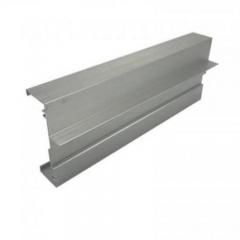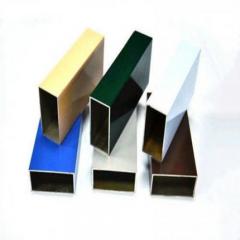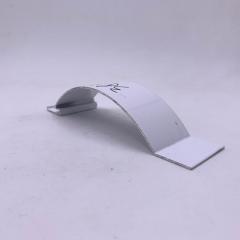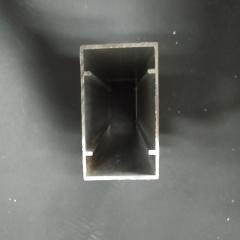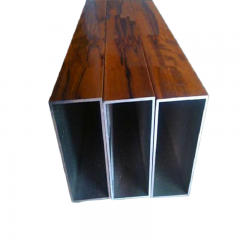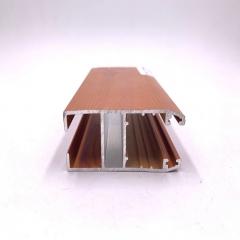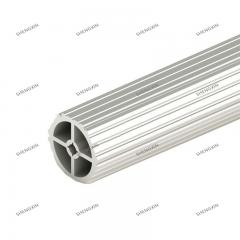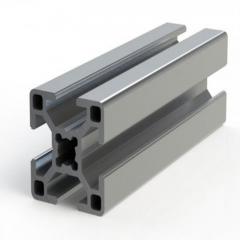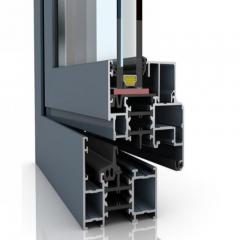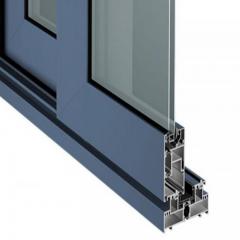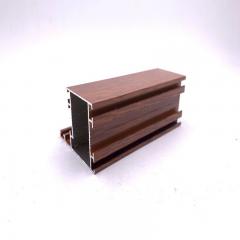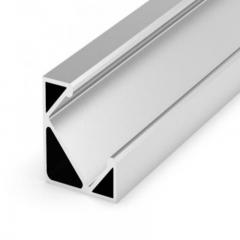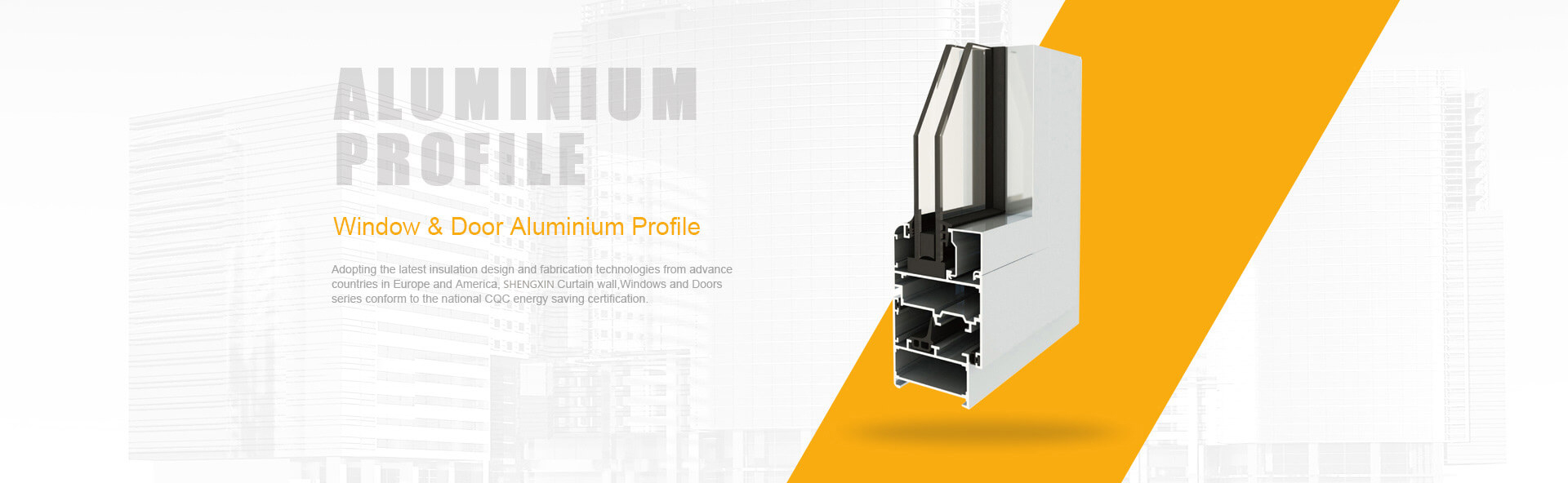
When you need aluminum components that fit your exact specifications, standard off-the-shelf shapes often fall short. That's where custom aluminum extrusions come into play. These precision-engineered profiles are manufactured to match your unique design requirements, delivering solutions that standard stock simply cannot provide.
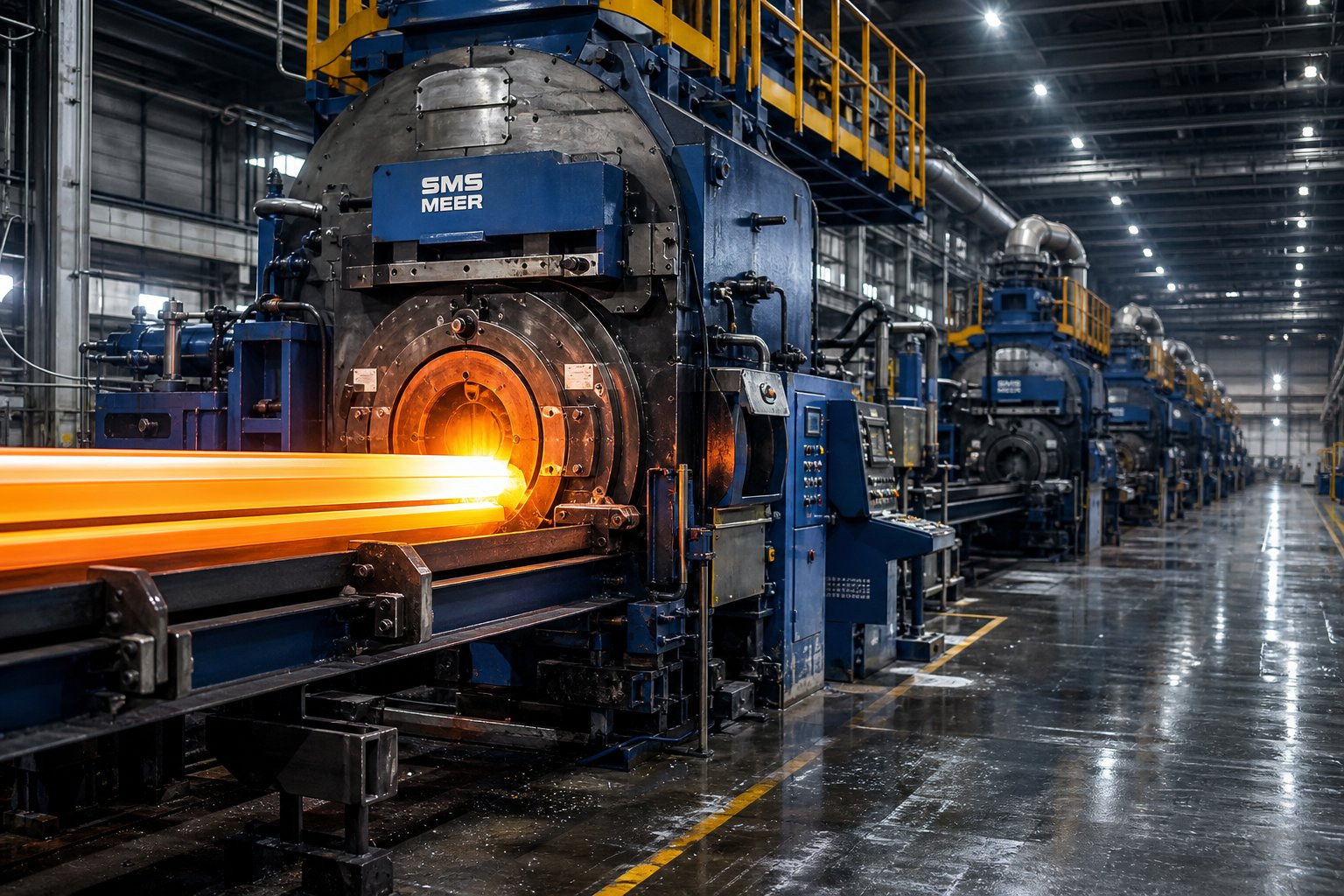
Imagine pushing heated clay through a shaped cookie cutter. The aluminum extrusion process works similarly, but with far greater precision and industrial scale. It begins when aluminum billets are heated to approximately 900°F, making the metal pliable enough to work with. These heated billets are then forced through a specialized die, a custom-designed tool that shapes the aluminum into long, continuous profiles with a uniform cross-section.
What transforms this process from standard to custom aluminum is the die itself. Rather than using pre-existing dies that produce common shapes like simple channels or angles, manufacturers create bespoke aluminium extrusion dies tailored specifically to your project. This allows for precise adjustments in thickness, surface texture, and profile geometry. Once shaped, the sections are cooled and cut to desired lengths, ready for further processing or immediate use.
Custom profiles unlock design possibilities that standard stock shapes cannot match. Where a standard angle or channel limits your options, a custom aluminum profile can integrate multiple functions into a single component, eliminating assembly steps and reducing overall project complexity.
Custom aluminum products range from intricate heat sinks with complex fin patterns to structural components with integrated mounting features. The flexibility of aluminum extrusion shapes means you can consolidate what might require multiple standard parts into one streamlined profile.
Texas has emerged as a strategic hub for custom aluminum extrusions, and the reasons extend well beyond geography. The state's robust industrial landscape creates sustained demand across multiple high-value sectors.
Consider the oil and gas industry, which requires corrosion-resistant aluminum components for everything from offshore platform equipment to pipeline support structures. Aerospace manufacturers in the Dallas-Fort Worth and Houston regions depend on precision aluminum extrusion shapes for aircraft interiors, structural components, and ground support equipment. The construction boom across major Texas cities drives demand for architectural profiles, while the automotive sector, including the growing EV market, requires lightweight aluminum solutions for improved fuel efficiency.
This diverse industrial base means aluminum extrusion companies serving Texas must maintain broad capabilities. They need to produce everything from miniature profiles for electronics enclosures to heavy structural components for industrial equipment. The state's central location also offers logistical advantages, providing efficient shipping access to markets across North America.
For buyers seeking custom aluminum extrusions in Texas, this concentration of industrial activity translates into experienced suppliers who understand demanding applications. Whether you need profiles for harsh oilfield environments or precision components for aerospace assemblies, the Texas manufacturing ecosystem has evolved to meet these challenges head-on.
Once you understand how custom extrusions are made, the next critical decision involves selecting the right aluminum alloy. This choice directly impacts your project's performance, durability, and cost. For most custom extrusion applications, the 6000 series aluminum alloys dominate the market, with two standout options leading the pack: 6063 and 6061.
Why does alloy selection matter so much? Consider this: two aluminum extrusion bars might look identical, yet one could fail under structural loads while the other thrives. The difference lies in their chemical composition and how that composition affects mechanical properties. Getting this decision right from the start saves costly redesigns and ensures your custom extruded aluminum performs exactly as intended.
Think of 6063 and 6061 as siblings with distinctly different personalities. Both belong to the 6000 series family, meaning they share magnesium and silicon as primary alloying elements. However, their differing compositions create significant performance variations.
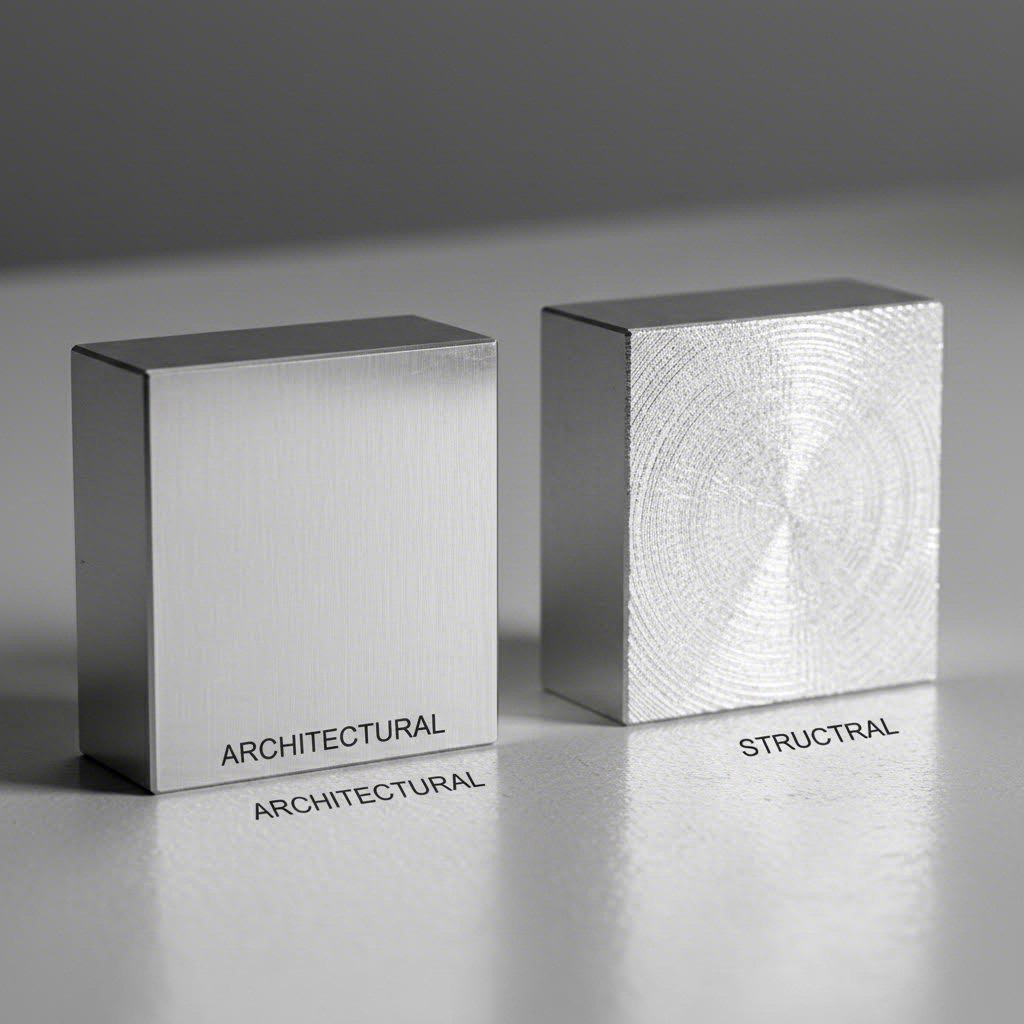
6063 aluminum is often called the architectural alloy for good reason. It contains approximately 0.4% silicon and 0.7% magnesium, creating a composition optimized for surface quality and formability. When you need architectural aluminum extrusions with flawless finishes for visible applications, 6063 delivers. Its excellent anodizing response produces consistent, attractive surfaces for window frames, door systems, railings, and decorative trim.
6061 aluminum takes a different approach. With roughly 30-50% more magnesium and silicon than 6063, plus small additions of copper and chromium, this alloy prioritizes strength over surface aesthetics. Its tensile strength in the T6 temper reaches approximately 310 MPa compared to 241 MPa for 6063-T6. This makes 6061 the preferred choice for structural applications, load-bearing components, and parts requiring extensive machining.
Here's a practical way to think about it: if your custom extrusion will be seen, choose 6063. If it will be stressed, choose 6061.
Selecting between these alloys requires matching their properties to your specific application demands. The following comparison table breaks down the key differences:
| Property | 6063 Aluminum | 6061 Aluminum |
|---|---|---|
| Tensile Strength (T6) | 241 MPa | 310 MPa |
| Yield Strength (T6) | 214 MPa | 276 MPa |
| Brinell Hardness (T6) | 73 | 95 |
| Corrosion Resistance | Excellent | Very Good |
| Surface Finish Quality | Superior | Good |
| Weldability | Excellent | Good |
| Machinability | Good | Very Good |
| Thermal Conductivity | 200 W/m-K | 170 W/m-K |
| Typical Applications | Window frames, railings, furniture, architectural facades | Structural components, trucks, machinery, aerospace parts |
Beyond the base alloy, temper designation significantly affects performance. You'll commonly encounter T5 and T6 tempers when ordering custom extrusions, and understanding the difference matters for your project specifications.
T5 temper indicates the extrusion bar was air-cooled after exiting the die and then artificially aged. This process is simpler and more cost-effective, producing moderate strength suitable for many architectural and general-purpose applications.
T6 temper involves solution heat treatment by rapid water quenching and artificial aging. This more intensive process achieves maximum strength and hardness. For example, 6063-T6 delivers noticeably higher mechanical properties than 6063-T5, making it appropriate when standard T5 properties fall short of requirements.
When should you specify each temper? If your custom extrusions face demanding structural loads or require maximum hardness for wear resistance, T6 is worth the additional cost. For decorative applications, furniture components, or situations where formability matters more than peak strength, T5 typically provides excellent value.
Understanding these alloy and temper combinations empowers you to specify exactly what your project needs. With the right material selected, the next step involves determining whether custom profiles truly make sense for your application, or whether standard shapes might serve you just as well.
You've selected the right alloy and temper for your project. Now comes a pivotal question: should you invest in a custom die, or will standard off-the-shelf profiles do the job? This decision directly impacts your budget, timeline, and long-term production costs. Let's break down when each option makes sense.
Standard aluminum profiles, including channels, angles, tubes, and I-beams, serve countless applications effectively. They're readily available, require no tooling investment, and ship quickly. For straightforward structural needs or prototype work, grabbing standard stock often makes perfect sense.
However, standard shapes hit their limits in several common scenarios:
Consider a Texas-based trailer manufacturer assembling structural rails from three separate standard channels. Each joint requires welding, grinding, and inspection. A single custom aluminum extrusion incorporating all three functions eliminates those secondary operations entirely.
Here's where many buyers make a costly assumption: they see die costs and immediately dismiss custom options as too expensive. Yet the math often tells a different story.
Custom extrusion dies typically cost between $1,250 and $1,950 for most profiles, with lead times of just 3 to 5 weeks. Compare this to casting tools that can exceed $30,000, and aluminum extrusion's cost advantage becomes clear. More importantly, that die investment is a one-time cost amortized across your entire production volume.
The real value calculation extends beyond die costs. Custom extruded profiles often deliver savings through:
When evaluating your decision, consider these key factors:
A practical example illustrates this clearly: raw material costs typically constitute 90% of basic extrusion expenses. If a custom aluminum extrusion reduces your material usage by 15% through optimized wall thickness and eliminates two welding operations, those savings quickly eclipse a modest die investment.
For Texas buyers exploring custom aluminum profiles, many extrusion partners offer prototype runs and sample extrusions, typically 20-30 feet, before committing to full production. This allows you to test fit, function, and finish before scaling up, reducing risk while validating your design decisions.
With this decision framework in hand, you're ready to explore the specific profile shapes available and how different geometries serve the diverse industrial applications found across Texas.
Now that you understand when custom profiles make economic sense, let's explore the actual shapes available. Whether you're designing oil field equipment in the Permian Basin or architectural facades for a Houston high-rise, knowing your profile options helps you specify exactly what your application demands.
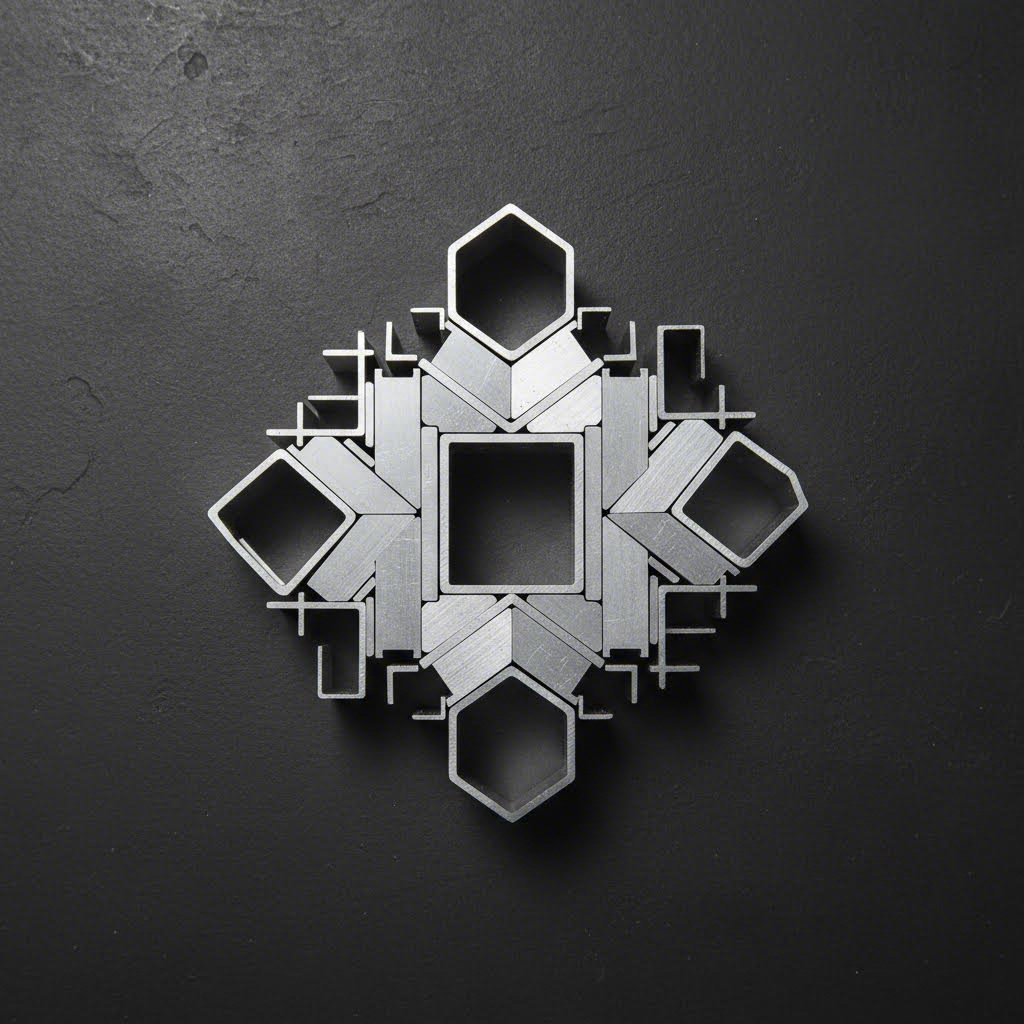
Aluminum extrusion shapes fall into several distinct categories, each engineered to serve specific structural and aesthetic purposes. The right profile choice can mean the difference between an elegant, efficient design and one that requires costly workarounds.
Think of aluminum extrusion profiles as a toolkit where each shape solves particular engineering challenges. Here's what you'll encounter when specifying components for Texas industrial applications:
Channel Profiles
Channels represent one of the most versatile profile families. The basic U-channel features a flat base with two perpendicular legs, creating a simple trough shape ideal for framing, tracks, and protective edges. However, specialized channel variations serve more demanding applications:
Angle Profiles
Aluminum angles consist of two legs meeting at a 90-degree angle. Available in equal-leg and unequal-leg configurations, these profiles provide corner reinforcement, edge protection, and structural bracing. Their simplicity makes them a go-to choice when you need reliable strength without complex geometry.
Tube Profiles
Hollow tube profiles come in round, square, and rectangular configurations. Each aluminum extrusion square or round tube offers distinct advantages:
Beam Profiles
The aluminum H beam, also called an I-beam, distributes load efficiently through its web and flange design. This aluminum extrusion channel configuration maximizes strength-to-weight ratio for structural applications. H beams support heavy loads across spans, making them essential for equipment frames, conveyor systems, and industrial machinery bases.
Specialty and Custom Profiles
Beyond standard shapes, custom profiles incorporate application-specific features directly into the extrusion. These might include integrated T-slots for modular assembly, heat sink fins for thermal management, or complex multi-hollow sections that combine structural and functional requirements in a single component.
Texas industries have driven demand for aluminum extrusion profiles across remarkably diverse applications. Understanding how different sectors use these shapes helps you identify the right solution for your own projects.
| Profile Category | Common Shapes | Typical Applications | Relevant Texas Industries |
|---|---|---|---|
| Channels | U-channel, Hat channel, J channel, F channel | Framing systems, panel mounting, trim work, solar racking, protective edges | Construction, Solar energy, Trailer manufacturing |
| Angles | Equal leg, Unequal leg | Corner reinforcement, edge protection, structural bracing, frame connections | Oil/gas equipment, Construction, Industrial machinery |
| Tubes | Round, Square, Rectangular | Handrails, furniture frames, structural supports, roll cages, hydraulic lines | Automotive, Trailer manufacturing, Architectural |
| Beams | H beam, I beam, T beam | Load-bearing structures, conveyor frames, equipment bases, bridge components | Oil/gas equipment, Industrial manufacturing, Infrastructure |
| Architectural | Curtain wall mullions, Window frames, Decorative trim | Building facades, storefronts, interior partitions, railing systems | Commercial construction, Architectural design |
| Specialty | Heat sinks, T-slot, Multi-hollow sections | Electronics enclosures, modular workstations, thermal management, custom machinery | Aerospace, Electronics, Automation |
Oil and Gas Applications
The Texas oil and gas sector demands profiles that withstand harsh environments. Aluminum H beams and heavy-duty channels support drilling equipment and platform structures while resisting corrosion from saltwater and chemical exposure. Tube profiles serve as housings for instrumentation and protective conduits for wiring and hydraulic lines.
Architectural and Construction
Architectural aluminum extrusions transform Texas skylines. Curtain wall mullions, window and door frames, and decorative facade elements rely on profiles designed for both structural performance and visual appeal. These applications typically specify 6063 alloy for its superior surface finish and anodizing response, creating the sleek appearances demanded by modern commercial buildings.
Solar Energy
Texas leads in solar installations, and aluminum extrusion profiles provide the mounting infrastructure. Hat channels and specialized rail profiles secure panels to rooftops and ground-mount systems while accommodating thermal expansion and wind loads. The lightweight nature of aluminum reduces structural requirements on buildings and simplifies installation.
Trailer Manufacturing
From utility trailers to livestock haulers, Texas trailer manufacturers depend on aluminum profiles for weight savings without sacrificing durability. Structural channels form frame rails, angle profiles reinforce corners, and specialty extrusions create integrated floor and wall systems that reduce assembly time while improving trailer longevity.
With this understanding of available shapes and their applications, you're equipped to specify the right profile geometry. However, raw extrusions often require additional processing before they're ready for your assembly line. Let's examine the secondary operations that transform basic profiles into finished, ready-to-install components.
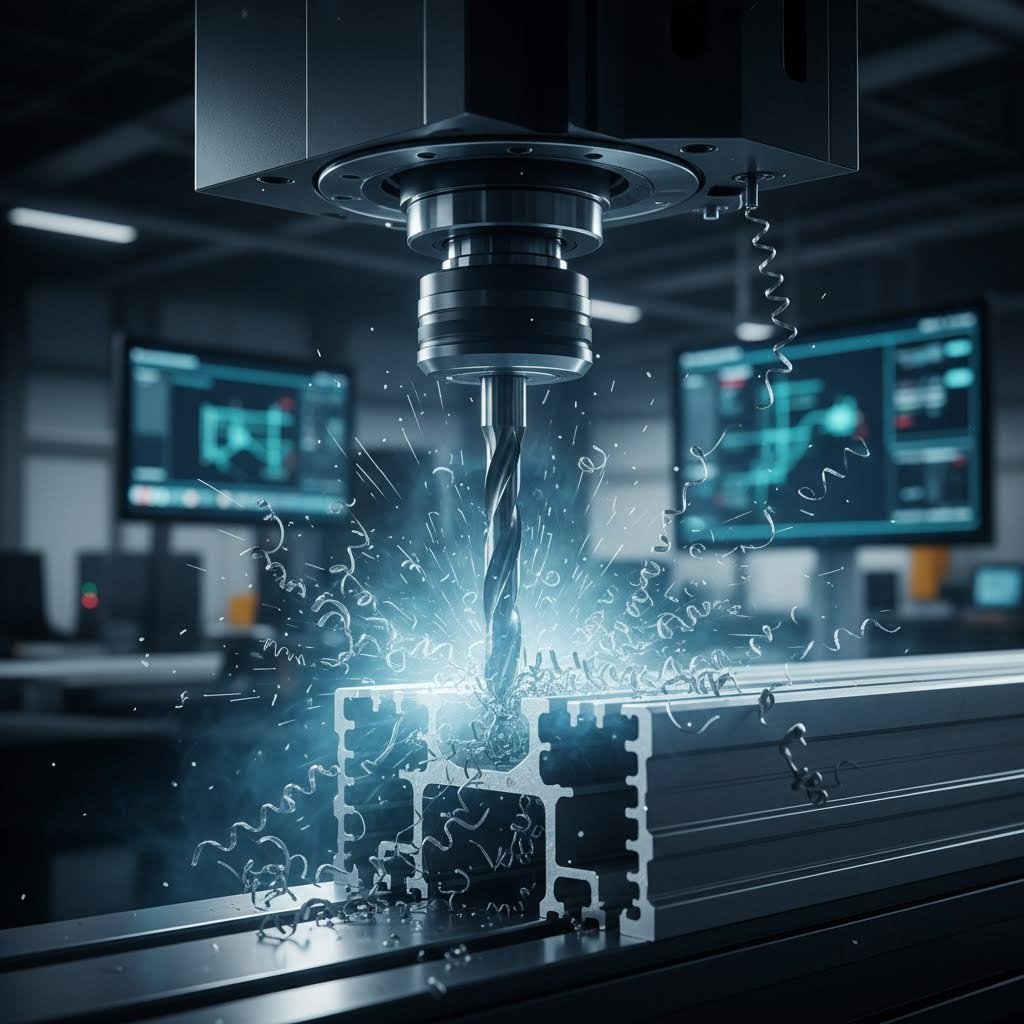
Raw aluminum extrusions rarely go directly from the press to your assembly line. Between shaping and installation, most profiles require secondary operations that transform basic lengths into precision components ready for immediate use. Understanding these value-added services helps you specify complete solutions rather than hunting for multiple vendors to finish your parts.
These secondary operations fall into two main categories: fabrication services that modify the physical shape and dimensions, and surface treatments that protect and beautify the finished product. When sourced from a single supplier offering custom metal extrusion services, these operations integrate seamlessly, reducing lead times and eliminating the coordination headaches of managing multiple vendors.
Imagine receiving your extruded aluminum profiles exactly as your design specifies, cut to length, holes drilled in precise locations, and complex machined features already completed. That's what comprehensive fabrication services deliver.
CNC Cutting
Precision cutting transforms long extrusion lengths into usable components. Modern CNC saws achieve tolerances of ±0.005 inches, ensuring your metal extrusions arrive ready to assemble without secondary trimming. For high-volume production, automated cutting systems maintain consistency across thousands of identical pieces.
Drilling and Hole Patterns
Whether you need simple mounting holes or complex patterns for fasteners and electrical connections, CNC drilling ensures accuracy that hand operations cannot match. Multi-axis drilling centers create angled holes and counterbores, eliminating the need for multiple setups or specialized fixtures on your end.
Milling and Machining
CNC milling adds features that extrusion alone cannot create: pockets, slots, stepped surfaces, and precise flat faces for mating components. For prototype aluminum extrusions, machining capabilities allow design refinement without modifying the extrusion die. Five-axis machining centers handle complex geometries, turning your profiles into finished components rather than starting blanks.
Bending and Forming
Straight extrusions can become curved components through precision bending. Stretch bending and roll forming create consistent radii for architectural applications, handrails, and structural frames. Recent advances in forming technology allow tighter radii and more complex curves than ever before, expanding design possibilities for applications from automotive components to architectural facades.
Welding and Joining
When your design requires joining multiple profiles, welding services complete the assembly. MIG and TIG welding create strong, permanent connections, while friction stir welding (FSW) produces high-integrity solid-state welds particularly suited for structural applications. FSW creates joints without melting the base metal, maintaining the aluminum's original properties and enabling designs that combine multiple extrusions into unified structures.
Precision tolerances matter critically for aerospace, automotive, and other demanding applications. When specifying fabrication services, verify your supplier's capabilities match your requirements. Typical extrusion tolerances follow EN 755-9 or ANSI H35-2 standards, but tighter tolerances are achievable for critical dimensions through secondary machining.
Surface finishing does more than make aluminum look good. The right treatment protects against corrosion, improves wear resistance, and creates the aesthetic your application demands. For Texas projects facing everything from Gulf Coast humidity to intense UV exposure, proper finishing ensures long-term performance.
Three primary finishing technologies dominate the aluminum extrusion services landscape, each with distinct advantages:
Anodizing: Integrated Protection
Unlike paints or coatings that sit on top of the metal, anodizing creates a protective layer that's actually part of the aluminum itself. This electrochemical process grows a super-hard aluminum oxide layer that's fully integrated with the base metal.
Powder Coating: Color and Versatility
When you need a specific color or enhanced impact resistance, powder coating delivers. This process electrostatically applies dry powder particles to the grounded aluminum, then cures them in an oven to create a smooth, durable finish.
PVDF Coating: Extreme Environment Performance
For the most demanding exterior applications, PVDF (Polyvinylidene Fluoride) coatings, often known by the trade name Kynar 500, represent the gold standard. This high-performance liquid coating system is specifically engineered for facades, curtain walls, and other architectural elements facing decades of weather exposure.
Specialty Treatments
Beyond these primary options, specialty treatments address specific requirements. Micro-arc oxidation creates ceramic-like surface layers with exceptional hardness. Chemical conversion coatings provide corrosion protection while serving as excellent bases for subsequent painting. Mechanical finishes like brushing, polishing, or bead blasting create specific textures before other treatments are applied.
Choosing the right finish depends on your application environment, aesthetic requirements, and budget. For visible architectural applications in Texas, anodizing or PVDF coatings handle the intense sun and humidity effectively. Industrial components hidden from view might only need basic clear anodizing for corrosion protection. Custom extrusion aluminum destined for OEM equipment often receives powder coating for color coding or brand-specific appearances.
The most efficient approach integrates fabrication and finishing under one roof. When a single supplier handles everything from die development through finished parts, you eliminate shipping between vendors, reduce handling damage, and compress lead times significantly. Your aluminum extrusion suppliers become true partners, accountable for complete solutions rather than just one step in the process.
With fabrication and finishing capabilities clarified, you'll want to understand how these services factor into project costs. Let's examine what drives custom aluminum extrusion pricing and how to optimize your budget without sacrificing quality.
You've selected your alloy, designed your profile, and specified your finishing requirements. Now comes the question every buyer asks: what will this actually cost? Custom aluminum extrusion cost factors often surprise first-time buyers, and understanding how pricing works puts you in a stronger negotiating position while helping you optimize your project budget.
Unlike commodity products with straightforward pricing, custom aluminum extrusion profiles involve multiple cost components that interact in sometimes unexpected ways. The good news? Once you understand these factors, you can make informed decisions that balance performance requirements against budget constraints.
Think of custom extrusion pricing as a layered equation where each component adds to your final per-piece cost. Some factors you control directly through design choices, while others fluctuate based on market conditions or manufacturing requirements.
Here are the primary cost drivers, ranked by their typical impact on your project budget:
Understanding cost drivers is only half the equation. Smart buyers leverage this knowledge to optimize their projects without sacrificing quality or performance.
Amortize your die investment strategically. That $800 die represents a one-time expense. Order 500 pieces, and you're adding $1.60 per unit for tooling. Order 5,000 pieces, and that drops to just $0.16 each. Before dismissing custom solutions as too expensive, calculate your realistic annual usage and project the per-piece tooling contribution over your production life.
Lock in material pricing when conditions favor you. Since aluminum prices fluctuate substantially, some manufacturers allow you to purchase material in advance for ongoing production. This approach makes your extrusion costs more predictable and protects against price spikes, particularly valuable for long-term production programs.
Consider short run aluminum extrusions for validation. Before committing to large production orders, many suppliers offer prototype runs of 20-30 feet to test your design. These short-run options cost more per foot but eliminate the risk of producing thousands of parts from an unproven design. Use these samples to verify fit, function, and finish before scaling up.
Design for manufacturing efficiency. Work with your extrusion partner during the design phase. Balanced wall thicknesses, appropriate tolerances, and simplified geometries reduce die costs and improve production efficiency. Sometimes small design modifications yield significant cost savings without affecting performance.
Consolidate with vertically integrated suppliers. Facilities combining extrusion, fabrication, and finishing under one roof minimize logistics complexity and reduce overall costs compared to coordinating between multiple vendors. Each handoff between suppliers adds transportation, handling, and communication overhead to your project.
Plan for the full lifecycle. Initial piece price matters, but total cost of ownership tells the real story. A custom profile that eliminates assembly labor, reduces scrap, and simplifies inventory may cost more per piece while delivering lower total project costs. Always evaluate custom aluminum extrusion cost in context of what it replaces or enables.
Normal die turnaround runs 3-4 weeks, with production following within a week of sample approval. For Texas projects with tight timelines, domestic custom aluminum extruders often provide faster response than offshore alternatives, even when their base pricing runs higher. Factor lead time value into your sourcing decisions, especially for time-sensitive projects.
With cost factors understood, you're ready to evaluate potential suppliers on a level playing field. But price alone doesn't determine project success. The next critical consideration involves verifying that your chosen partner maintains the quality systems and certifications your application demands.
You've analyzed costs and understand what drives pricing. But here's a question that separates successful projects from costly failures: how do you know your supplier will actually deliver what they promise? Quality certifications provide objective proof that a custom aluminum extrusion manufacturer maintains consistent standards, while capability verification ensures they can actually produce what your project demands.
For Texas buyers sourcing aluminum extrusion products across demanding industries, certifications aren't just nice-to-have credentials. They're essential risk management tools that protect your investment and ensure traceability throughout the production process.
Not all certifications carry equal weight for every application. Understanding which credentials matter for your specific industry helps you filter potential suppliers effectively and avoid costly quality issues down the line.
When you see ISO 9001:2015 certification, what does it actually guarantee? This standard establishes a comprehensive quality management system covering everything from planning through delivery. According to industry analysis, companies implementing ISO 9001 often see defect rates drop by as much as 25% in the first year.
The standard operates on several core principles that directly benefit buyers:
For your project, this translates into fewer defects, more reliable delivery schedules, and documented traceability if issues ever arise. The certification isn't just paperwork. It represents a systematic approach to quality that protects your investment.
Certifications confirm a supplier's quality systems, but they don't tell you whether that supplier can actually manufacture your specific profile. Capability verification requires examining their equipment, expertise, and track record with similar applications.
Press Capacity Range
Extrusion presses are rated by tonnage, and this directly affects what profiles a manufacturer can produce. Smaller presses in the 600-1000 ton range handle architectural profiles and smaller industrial sections efficiently. Larger profiles, particularly aluminum extrusion products with complex cross-sections or significant wall thickness, require presses ranging from 2000 to 5500 tons or more. Ask potential suppliers about their press fleet and ensure it matches your profile requirements.
CNC Machining Capabilities
Fabrication capability matters as much as extrusion capacity. Evaluate whether suppliers operate multi-axis CNC machining centers capable of holding your required tolerances. For precision applications, verify their inspection equipment includes coordinate measuring machines (CMMs) and other metrology tools that can validate dimensional accuracy.
Quality Control Processes
Beyond certifications, examine how suppliers actually implement quality control:
Specialized Competencies
Certain applications demand specialized manufacturing expertise. Thinwall extrusions require precise die design and careful process control to maintain dimensional stability. Tight tolerance profiles need both capable equipment and experienced operators. When evaluating custom aluminum extrusion manufacturers, ask specifically about their experience with profiles similar to yours. Request samples or references from comparable projects.
For Texas buyers, verifying these capabilities upfront prevents costly surprises during production. A supplier's certifications confirm their commitment to quality systems, but their equipment, processes, and expertise determine whether they can successfully execute your specific project. Armed with this understanding, you're ready to evaluate potential partners using criteria that go beyond price to encompass the full range of factors that determine project success.
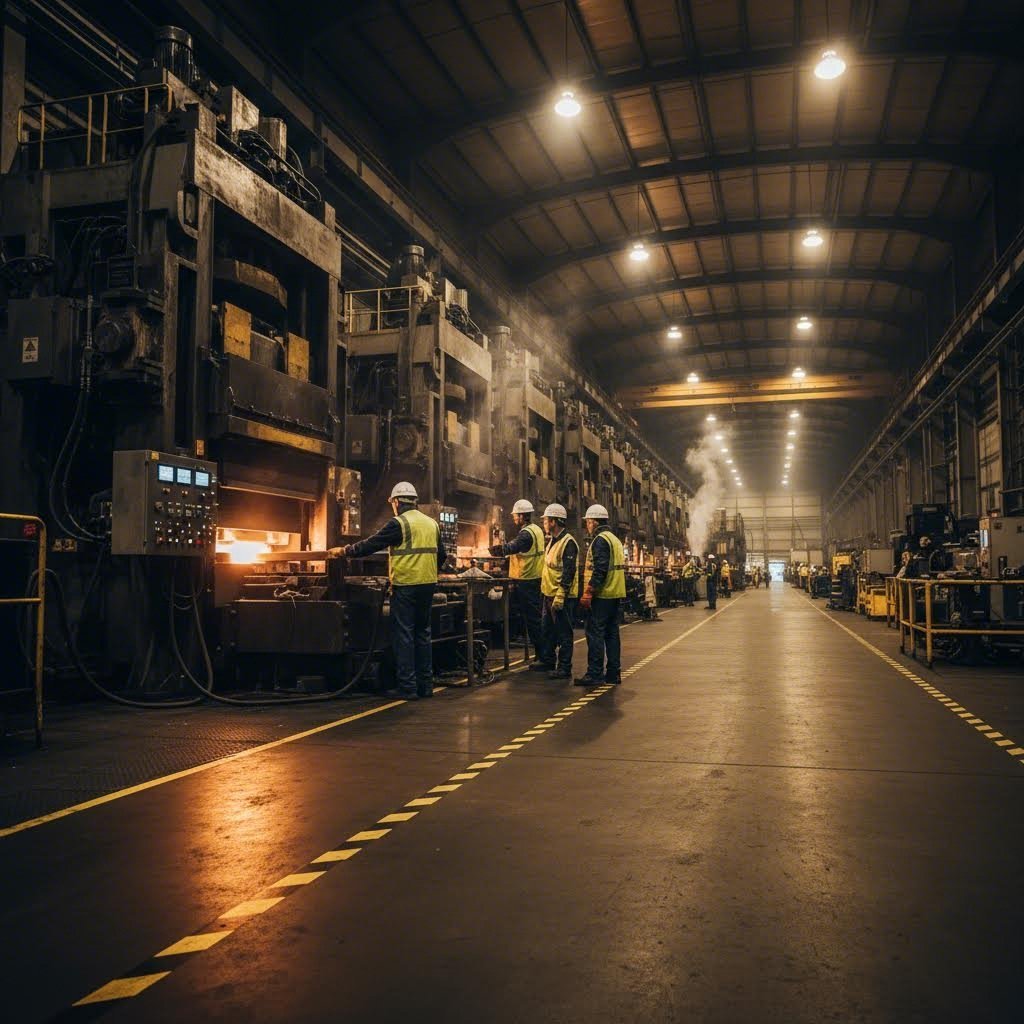
You've defined your alloy requirements, designed your profile, understood cost drivers, and verified the certifications that matter for your application. Now comes perhaps the most consequential decision in your entire project: choosing the right custom aluminum extrusion suppliers to bring your vision to life. This choice determines whether your project runs smoothly or becomes a lesson in frustration.
For Texas-based projects, selecting custom aluminum extrusion companies involves balancing multiple factors that extend well beyond price quotes. The right partner functions as an extension of your engineering team, offering technical expertise, manufacturing flexibility, and reliable execution. Let's examine the criteria that separate exceptional partners from adequate vendors.
When you're searching for where to buy aluminum extrusion near me or evaluating aluminum extrusion companies near me, a structured approach prevents costly mistakes. According to industry experts, qualified suppliers offer much more than extruded profiles—they provide engineering collaboration, quality assurance, and integrated production capabilities that align with your business goals.
Use this comprehensive checklist to evaluate potential custom aluminum extrusion suppliers:
As manufacturing experts note, you should conduct thorough research on each supplier, communicate your requirements clearly, and request samples to ensure alignment before committing to production orders.
Geographic considerations significantly impact your total cost of ownership and project timelines. For Texas buyers, location affects everything from shipping costs to response time when issues arise.
Domestic vs. International Sourcing
Texas's central location provides efficient ground shipping access to markets across North America. Domestic aluminum extruder supplier options typically offer faster lead times, easier communication, and simplified logistics compared to overseas alternatives. When container shipping costs fluctuate dramatically—as they have in recent years—domestic sourcing provides cost predictability that international options cannot match.
However, international partners with comprehensive capabilities can offer compelling value, particularly for high-volume production or specialized requirements. The key lies in evaluating total landed cost, including shipping, duties, inventory carrying costs, and risk factors.
Evaluating Comprehensive Capability
The most effective custom aluminum extrusion companies combine extensive manufacturing capacity with integrated finishing and fabrication under one roof. This vertical integration eliminates coordination between multiple vendors, reduces lead times, and ensures accountability for complete solutions.
Consider what comprehensive capability looks like in practice. A well-equipped partner might operate 35 extrusion presses ranging from 600T to 5500T, enabling production of everything from miniature profiles to large structural sections. Their facility would include CNC machining centers for precision fabrication, plus extensive surface treatment options encompassing anodizing, powder coating, PVDF, and advanced processes like micro-arc oxidation. This end-to-end support—from die development through mass production—transforms a vendor relationship into a true manufacturing partnership.
For buyers seeking partners with exactly these deep processing capabilities, Shengxin Aluminium exemplifies what integrated custom aluminium extrusions manufacturing looks like. Their facility combines the press capacity, machining infrastructure, and finishing options that demanding Texas applications require, all backed by over 30 years of industry experience.
Logistics Planning Factors
When evaluating custom aluminum extrusion suppliers for Texas projects, consider these logistics elements:
Building Long-Term Partnerships
The best supplier relationships extend beyond transactional purchasing. According to industry guidance, a well-chosen extrusion partner is more than just a vendor—they are a key contributor to your success. Look for suppliers who invest in understanding your business, anticipate your needs, and proactively suggest improvements.
Before finalizing your selection, take these verification steps:
Selecting the right custom aluminum extrusion partner requires balancing technical capabilities, service quality, delivery performance, and long-term partnership potential. By evaluating suppliers systematically using the criteria outlined here, you reduce sourcing risks and position your Texas-based projects for consistent success. The investment you make in thorough supplier vetting pays dividends throughout your production lifecycle, ensuring your custom aluminium extrusions arrive on time, on spec, and ready to perform.
Texas drives demand for custom aluminum extrusions across multiple high-value sectors. The oil and gas industry requires corrosion-resistant components for offshore platforms and pipeline support structures. Aerospace manufacturers in Dallas-Fort Worth and Houston use precision profiles for aircraft interiors and ground support equipment. Commercial construction relies on architectural extrusions for curtain walls and window frames, while the automotive sector, including the growing EV market, demands lightweight aluminum solutions. Solar energy installations throughout Texas also depend heavily on custom mounting rails and hat channel profiles.
Custom extrusion dies typically range from $400 to $2,000 depending on complexity, size, and tolerance requirements. Standard architectural and industrial profile dies generally cost between $400 and $1,000, while larger parts requiring 2,000-4,000 ton presses can push costs higher. Many manufacturers offer die cost refunds if you purchase a specified quantity within two years, and replacement dies are often provided at no charge for ongoing orders. This one-time tooling investment gets amortized across your entire production volume.
6063 and 6061 serve distinctly different applications. 6063 is the architectural alloy, optimized for surface quality with excellent anodizing response—ideal for window frames, railings, and visible applications. 6061 prioritizes strength, with tensile strength reaching approximately 310 MPa compared to 241 MPa for 6063 in T6 temper. Choose 6063 when appearance matters and 6061 when structural performance is critical. Both alloys offer good corrosion resistance, though 6063 slightly outperforms in this category.
ISO 9001:2015 provides baseline quality assurance for general industrial applications, demonstrating documented processes and continuous improvement. Aerospace projects typically require AS9100 certification, which addresses regulatory, safety, and reliability requirements specific to that industry. Automotive applications often mandate IATF 16949 certification. Defense contracts may require compliance with specific MIL-SPEC standards. Beyond certifications, verify press capacity range, CNC machining capabilities, and quality control processes to ensure the supplier can manufacture your specific profile requirements.
Custom extrusions justify their die investment when you need unique cross-sections, integrated features that eliminate assembly steps, weight optimization through strategic material placement, or specific aesthetic requirements. Standard profiles work well for simple applications using common shapes like basic channels, angles, or tubes. Calculate total cost including assembly labor, material waste, and inventory complexity—not just piece price. A custom profile consolidating multiple standard parts often delivers lower total project costs despite higher per-piece pricing.



 Інтернет-сервіс
 0086 136 3563 2360
 sales@sxalu.com
 +86 136 3563 2360
 Українська
 English
 français
 Deutsch
 русский
 español
 português
 العربية
 ไทย
ไทย Việt
Việt