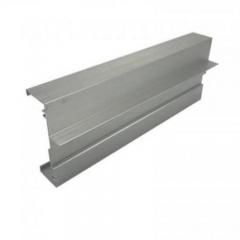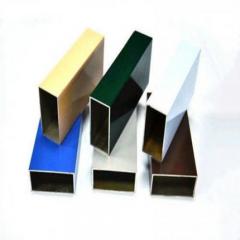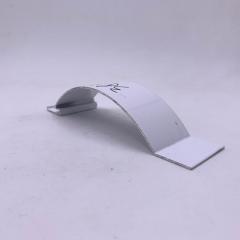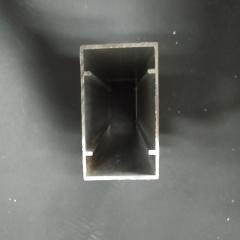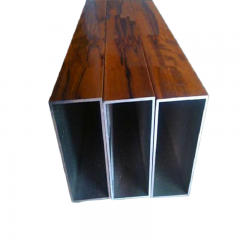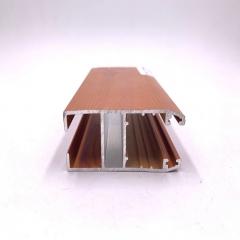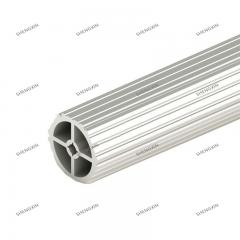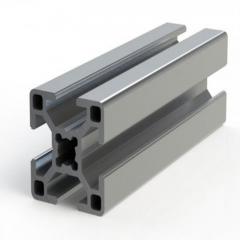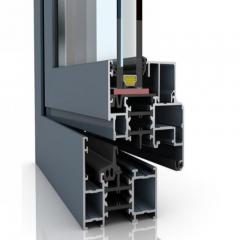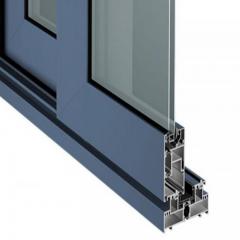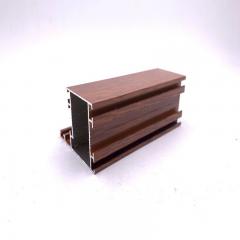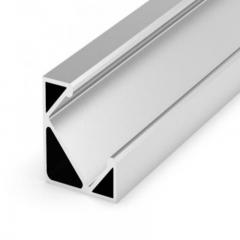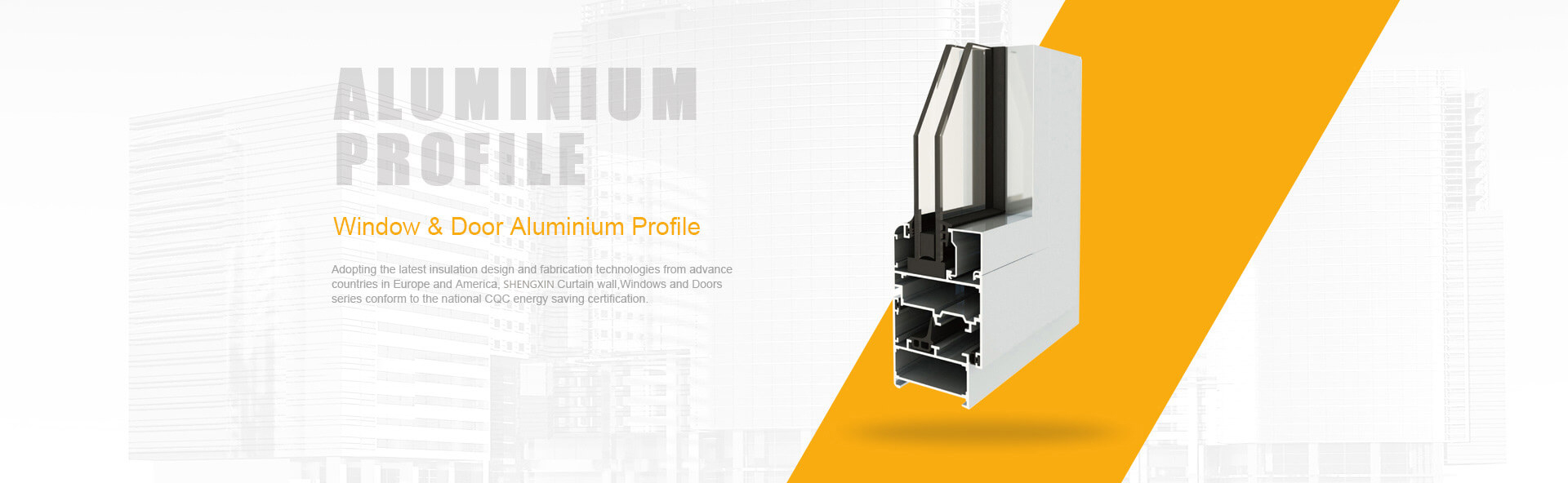
Ever wondered how manufacturers create those perfectly shaped aluminum components you see in everything from sleek window frames to complex industrial machinery? The answer lies in custom aluminum extrusions - a manufacturing process that transforms raw aluminum into precisely engineered profiles designed for your exact specifications.
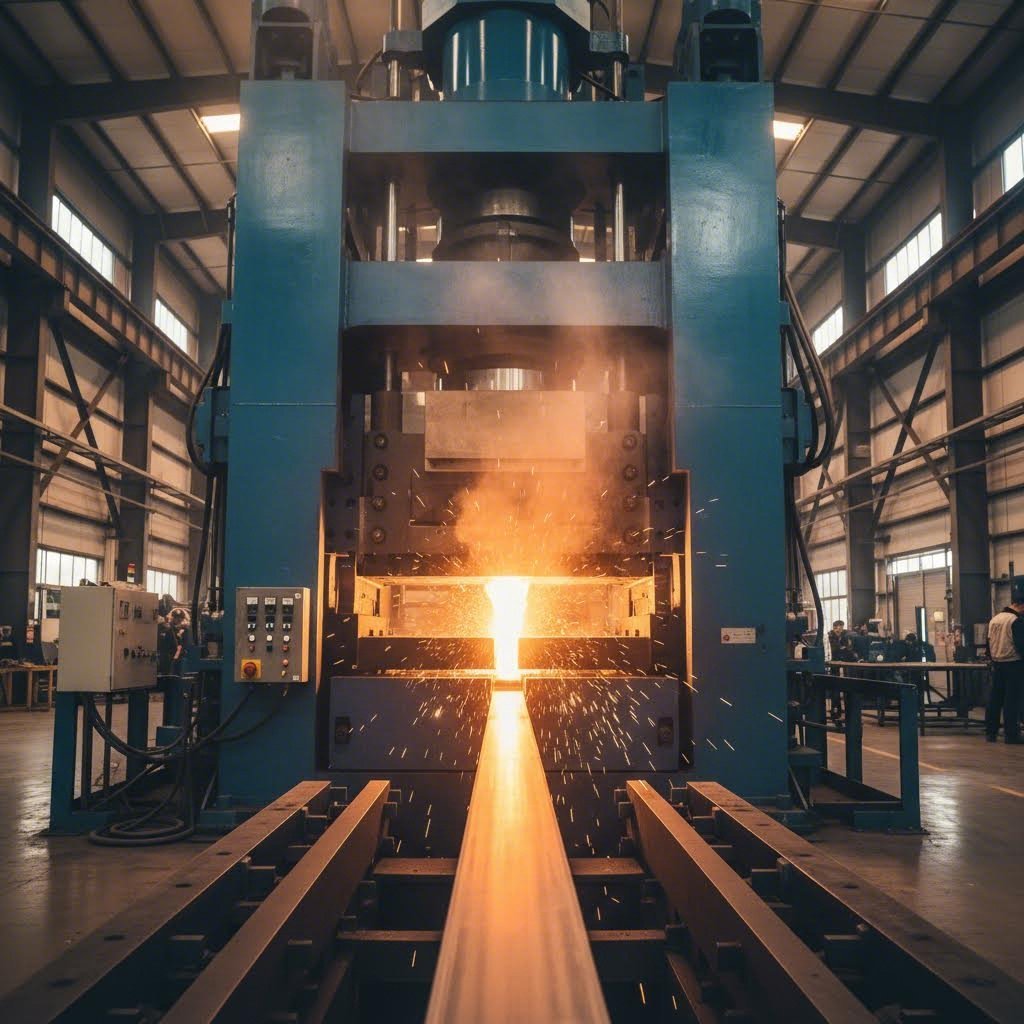
So, what is an aluminum extrusion? At its core, it's a process where heated aluminum alloy is forced through a specially designed die opening to create a specific cross-sectional shape. Think of it like pushing Play-Doh through a shaped template - except this happens at temperatures between 400-480°C (750-900°F) with immense hydraulic pressure. The result? Uniform aluminum extrusion profiles that can be solid, hollow, or semi-hollow, ranging from simple shapes to incredibly intricate geometries.
Unlike standard stock profiles that come in predetermined shapes, custom aluminum extrusions give you complete control over the design. This flexibility makes them indispensable across industries - from architecture and aerospace to automotive and electronics.
How does aluminum extrusion work in practice? The journey begins with an aluminum billet - a cylindrical or rectangular piece of aluminum alloy that serves as your raw material. Here's how this billet becomes a finished aluminum profile:
The entire process is remarkably efficient. Once the die is created, manufacturers can produce consistent profiles in lengths of 8-24 feet, which can then be finished, fabricated, and customized further to meet your project requirements.
If you're asking "what are aluminum extrusions used for?" - the applications are virtually limitless. But here's where many projects hit a wall: standard off-the-shelf profiles simply can't address specialized requirements.
Standard aluminum extrusions offer basic shapes that work for generic applications. However, they come with significant limitations:
Custom extrusions unlock design freedom that's simply impossible with off-the-shelf options - allowing engineers to integrate multiple functions into a single profile, optimize material usage, and achieve tolerances that eliminate secondary machining operations.
What are aluminum extrusions capable of when custom-designed? The difference is transformative. Custom aluminum extrusions can incorporate varying wall thicknesses within the same profile, integrate slots and channels for component assembly, and feature complex internal geometries that would require multiple parts if manufactured any other way. This versatility explains why businesses invest in custom solutions despite the initial tooling costs - the long-term benefits in performance, assembly efficiency, and material optimization far outweigh the upfront investment.
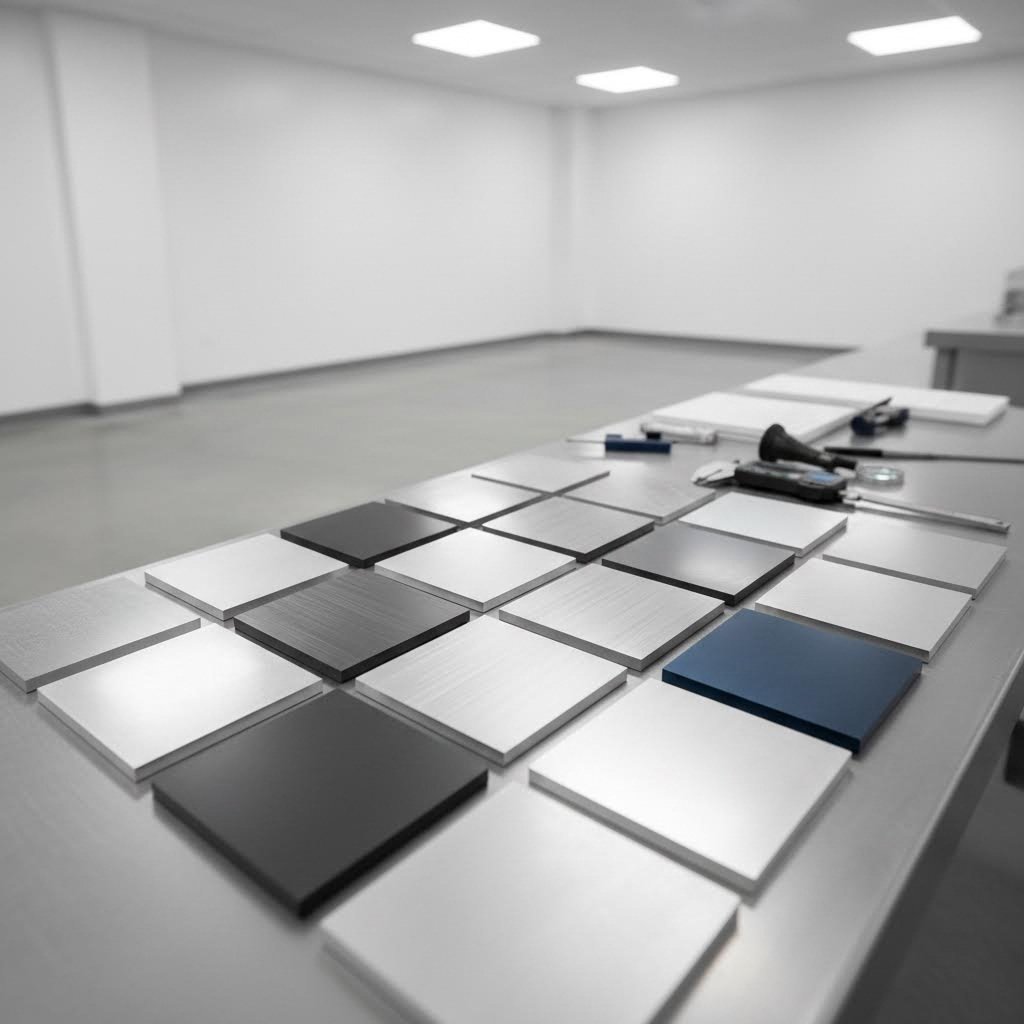
You've designed the perfect cross-sectional profile for your project. Now comes a decision that trips up even experienced buyers: which aluminum alloy should you specify? This choice directly impacts everything from how easily your profile can be aluminum extrude to its final strength, corrosion resistance, and surface appearance.
The good news? Most custom aluminum extrusion projects use alloys from the 6XXX series, which offer an excellent balance of properties. According to the Aluminum Extruders Council, this series represents the most popular extrusion alloy class thanks to its good strength, corrosion resistance, machinability, and weldability - all while remaining heat treatable.
But within this series and beyond, understanding the differences between specific alloys will help you make a confident selection that matches your application requirements.
When sourcing extruded aluminum profiles, you'll encounter 6063 and 6061 repeatedly. These two alloys dominate the aluminum extrusion material landscape, but they serve distinctly different purposes.
6063 Aluminum - often called the "architectural alloy" - is primarily alloyed with silicon and magnesium. What makes it the go-to choice for profile aluminum applications requiring aesthetic appeal? Its exceptional extrudability allows manufacturers to create thin-walled, intricate shapes while delivering a superior surface finish. This alloy responds beautifully to anodizing, accepting acid etching for matte appearances or polishing for highly reflective characteristics.
You'll find 6063 aluminum profiles in window frames, door frames, sign frames, furniture, decorative trim, and automotive ornamental components. When your application demands visual quality and corrosion resistance over maximum structural strength, 6063 delivers.
6061 Aluminum represents the structural workhorse of the aluminium extrusion world. This precipitation-hardened alloy contains magnesium, silicon, and additional elements like chromium and copper that boost its mechanical properties. When material strength is your primary concern, 6061 is typically the answer.
According to Howard Precision Metals, 6061 is the major alloy used for hydraulic manifolds, aircraft parts, bicycle frames, automotive components, and construction elements where load-bearing capacity matters most. It also offers better machinability than 6063, making it ideal when your aluminum extrusion profile requires extensive secondary machining.
The key trade-off? While 6063 is somewhat more ideal for the extrusion process itself, 6061 provides greater strength. Both alloys are weldable, though welding can reduce strength by up to 30% - a factor to consider during design.
Sometimes the 6XXX series workhorses aren't enough. Here's when you might explore specialty aluminum profiles:
As Gabrian International notes, a stronger aluminum alloy with higher concentrations of alloying elements is generally more difficult to extrude and has a lower extrusion rate - which typically translates to higher costs.
| Alloy Type | Best Applications | Relative Strength | Formability | Surface Finish Quality |
|---|---|---|---|---|
| 6063 | Architectural, decorative trim, window frames | Medium | Excellent | Excellent |
| 6061 | Structural, machinery, aerospace components | Medium-High | Good | Good |
| 5052 | Marine, fuel tanks, pressure vessels | Low-Medium | Excellent | Good |
| 2024 | Aircraft structures, high-stress components | High | Fair | Fair |
| 7075 | Aerospace, military, high-performance parts | Very High | Poor | Fair |
Remember: secondary processes like anodizing or powder coating can enhance corrosion resistance for alloys that might otherwise be vulnerable. This means you could select an alloy optimized for strength or formability, then add protective finishes to address durability concerns - a strategy that expands your options significantly.
With your alloy selected, you're ready to understand what happens next: the complete project workflow that takes your concept from initial design through die development to finished production.
You've selected your alloy and finalized your profile design. Now what? Understanding the complete project workflow is crucial for planning your timeline, budget, and expectations. Surprisingly, many buyers enter custom aluminum extrusion projects without a clear picture of what each phase involves - leading to preventable delays and frustration.
The journey from concept to finished product typically spans 6-12 weeks for new custom extrusions, though timelines vary based on complexity and supplier workload. Let's walk through each phase so you know exactly what to expect when engaging with aluminum extrusion companies.
The aluminium extrusion dies represent the heart of your custom extrusion project - and the most significant upfront investment. A well-designed die doesn't just create your profile shape; it ensures consistent quality across thousands of production feet.
What happens during die development? Engineers analyze your profile geometry to optimize material flow during extrusion. They consider factors like:
As noted by industry experts at Alumaster Group, die design is crucial because it makes your parts strong and the right size, helps you make parts faster, and ultimately saves money. A good die can last 5-10 years with proper maintenance, while poor machining quality can reduce die lifespan by up to 30%.
The sample phase is your opportunity to catch issues before they become expensive production problems. When you receive prototype aluminum extrusions, what should you evaluate?
According to Sino Extrud, standard profile samples typically take 3-7 days, while custom samples can require 1-3 weeks depending on complexity. During your review, focus on:
Don't be alarmed if first samples need adjustments - this is normal. Minor die modifications to improve dimensions or surface quality are part of the development process. What matters is clear communication with your supplier about what needs improvement.
Before requesting quotes from custom extrusion suppliers, prepare the following information to streamline the process:
With this information ready, suppliers can provide accurate quotes and realistic timelines - setting the foundation for a successful custom aluminum extrusion project. But how do all these factors translate into actual costs? That's exactly what we'll break down next.
You've received quotes from multiple suppliers and noticed significant price variations for seemingly similar profiles. Why does custom aluminum extrusion cost vary so dramatically between projects - and even between suppliers? The answer lies in understanding the multiple cost drivers that combine to create your final price.
Unlike standard off-the-shelf profiles with predictable pricing, custom extruded aluminum involves unique tooling, specific material requirements, and variable processing needs. According to industry experts at Sino Extrud, raw material alone typically accounts for 60-75% of cost for many profiles - but that's just the starting point. Let's break down each factor so you can evaluate quotes intelligently and budget appropriately.
The aluminum extrusion tooling cost is often the most misunderstood element of custom extrusion pricing. Here's what you need to know: die tooling is a one-time investment that gets spread across your production volume over time.
What determines your die cost? According to Ya Ji Aluminum, several factors influence tooling investment:
How does amortization work? Imagine your custom extrusion die costs $2,000 and you expect to produce 40,000 kg through its lifetime. Your tooling cost per kilogram is just $0.05. However, if you only produce 2,000 kg, that same die adds $1.00 per kilogram to your cost - a 20x difference. As Gabrian International notes, tool costs for large parts made on 2,000-4,000 ton presses can reach $2,000, while normal architectural dies range from $400-$1,000.
The good news? Many suppliers refund tooling costs if you purchase stipulated volumes within 2 years, and most don't charge for replacement dies once the original reaches end-of-life - provided orders continue.
Volume is perhaps your most powerful lever for reducing custom aluminum extrusion cost. But it's not simply "order more, pay less." Understanding why minimum order quantities exist helps you plan strategically.
Fixed costs must be recovered regardless of order size. These include die setup, press preparation, quality inspection protocols, and administrative processing. When spread across a small batch, these fixed costs significantly inflate your per-meter price. Industry experience shows per-meter costs can drop 10-30% when moving from small orders (around 500 meters) to larger runs (5,000+ meters).
As one extrusion supplier explained to Sino Extrud: "If you buy 100 lbs of extrusions you may get a discount, but if you buy 300 lbs or more we can completely remove the setup charge because we hit optimal run size."
However, ordering more isn't always the right answer. Consider these trade-offs:
When evaluating custom extrusion aluminum quotes, look beyond the headline price. Ask suppliers to break down costs into material, tooling, processing, finishing, and logistics components. This transparency helps you identify where optimization is possible and ensures you're comparing quotes on equal terms.
Material costs remain the biggest variable in custom aluminum products pricing. According to Gabrian, raw aluminum prices have ranged from $1,500 to $3,500 per metric ton in recent years - more than a 2x swing that directly impacts your bottom line. Some manufacturers offer programs to lock in metal prices for ongoing production, providing cost predictability for larger programs.
With cost factors understood, you're better positioned to evaluate quotes and make informed decisions. But the price equation doesn't end at extrusion - surface treatments add both value and cost to your finished profiles, which is exactly what we'll explore next.
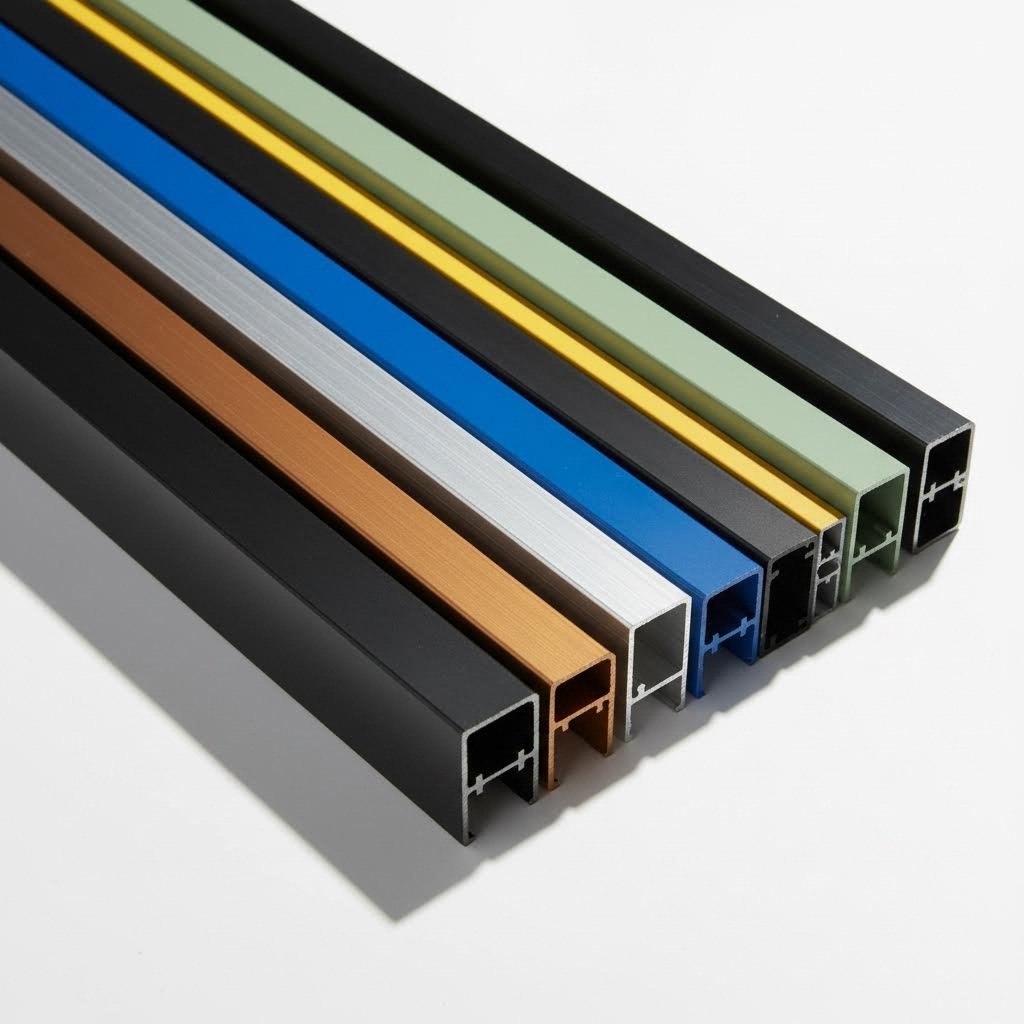
Your aluminum extrusion profile emerges from the die with a raw "mill finish" - functional, but vulnerable. Without proper surface treatment, even premium alloys are susceptible to scratches, stains, and environmental degradation. The finish you select doesn't just determine appearance; it defines your product's long-term performance, durability, and maintenance requirements.
According to CSM Supply, surface finishing transforms standard aluminum into a high-performance material suitable for precise engineering or architectural use. But with multiple finishing technologies available, how do you choose? Let's explore the options that matter most for aluminum extrusion trim applications.
Anodizing remains one of the most popular finishes for extruded aluminum trim profiles - and for good reason. Unlike paints or coatings that sit on top of the metal, anodizing creates a super-hard protective layer that's fully integrated with the aluminum itself. This electrochemical process thickens the natural oxide layer, making it non-conductive and highly resistant to corrosion.
What makes anodizing particularly attractive for aluminium extrusion trim? The finish won't chip, peel, or flake because it's part of the metal rather than applied to it. According to Profile Precision Extrusions, two primary types dominate the market:
Clear anodizing preserves aluminum's natural metallic appearance while adding protection. It's often specified for interior architectural elements, electronic enclosures, and precision mechanical parts. The trade-off? Color options are somewhat limited compared to painting processes, and matching colors across different production batches requires careful quality control.
When your aluminum panel extrusions face outdoor exposure, the coating decision becomes critical. Two technologies dominate exterior applications: powder coating and PVDF (Polyvinylidene Fluoride) coating. Both protect against weathering, but their performance characteristics differ significantly.
Powder Coating uses electrostatically charged dry powder particles sprayed onto grounded aluminum, then cured under heat. As Minh Dung Holdings explains, this process creates a smooth, durable finish that resists chipping, fading, and scratching. Key advantages include:
PVDF Coating (often known by the trade name Kynar 500) represents the gold standard for monumental architecture and harsh environments. This high-performance liquid paint system is applied in controlled conditions and baked at high temperatures. Why do architects specify it for demanding projects?
The trade-off? PVDF coatings cost more than powder coating and require more sophisticated application processes. For interior applications or moderate climates, powder coating often delivers excellent value. For building facades, curtain walls, and projects demanding decades of maintenance-free performance, PVDF justifies its premium.
Beyond these primary options, specialty treatments like micro-arc oxidation create ceramic-like coatings with exceptional hardness and thermal resistance - valuable for specialized industrial applications where standard finishes fall short.
| Finish Type | Durability Rating | Best Applications | Color Options | Relative Cost |
|---|---|---|---|---|
| Clear Anodizing (Type II) | Good | Electronics, interior architectural, decorative trim | Natural metallic only | Low-Medium |
| Colored Anodizing (Type II) | Good | Consumer products, signage, furniture | Wide range (dye-based) | Medium |
| Hard-Coat Anodizing (Type III) | Excellent | Industrial components, wear surfaces, aerospace | Limited (typically dark) | Medium-High |
| Powder Coating | Very Good | Window frames, fencing, furniture, automotive | Unlimited (RAL/custom) | Medium |
| PVDF Coating | Superior | Building facades, curtain walls, harsh environments | Wide range (formulated) | High |
| Micro-Arc Oxidation | Exceptional | High-wear industrial, thermal management | Limited | Very High |
When specifying surface treatments, consider your application environment, aesthetic requirements, and budget constraints together. A well-chosen finish protects your investment while enhancing visual appeal - but the wrong choice can lead to premature degradation or unnecessary expense. With your surface treatment selected, the next consideration is what happens after finishing: the secondary processing operations that transform extruded profiles into ready-to-install components.
Your extruded aluminum profiles have emerged from the press, been heat-treated, and received their protective finish. But are they ready for installation? In most cases, the answer is no. The gap between a finished extrusion and a functional component is bridged by secondary processing - the machining, forming, and assembly operations that transform raw profiles into precision-ready aluminum extrusion parts.
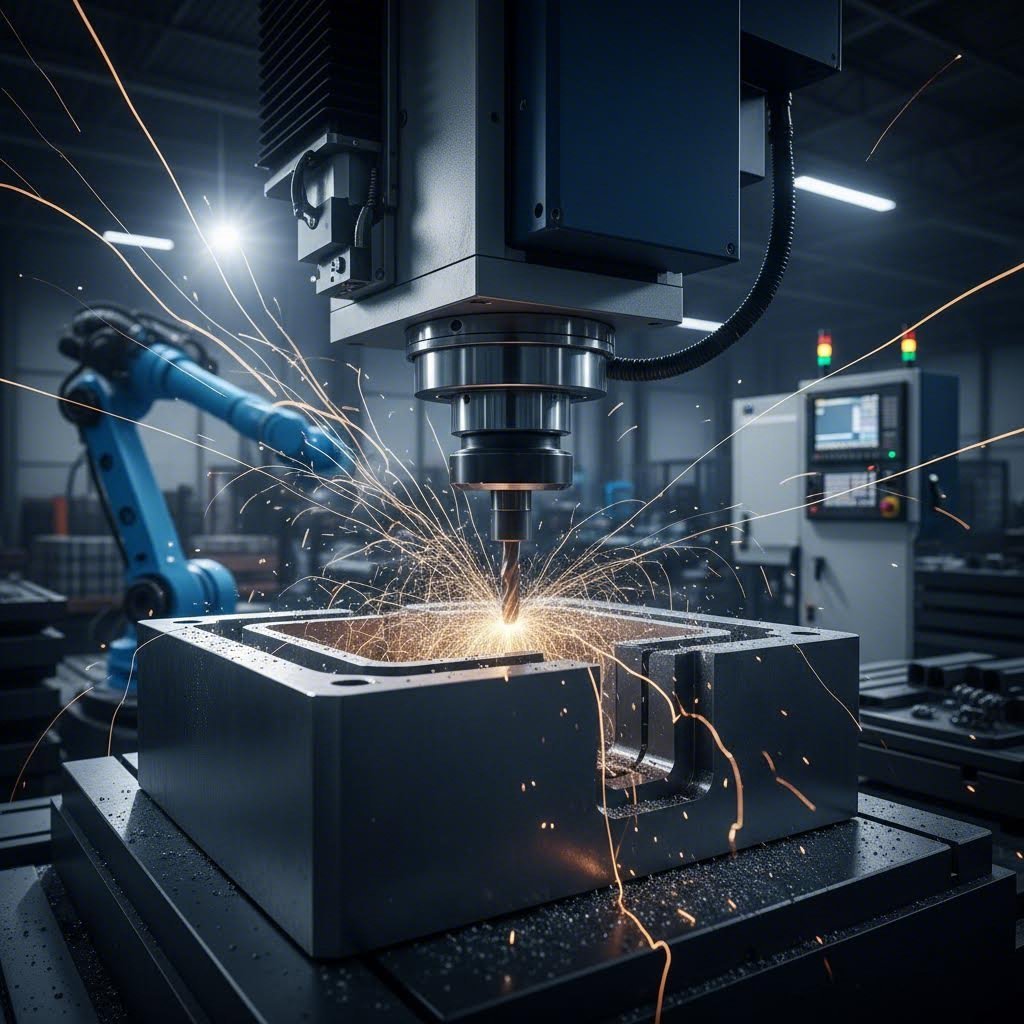
Here's where many projects encounter unexpected challenges. According to Sino Extrud, most extruded profiles require additional machining operations like drilling, milling, and tapping to meet final part features and tolerances. The question isn't whether you'll need secondary processing - it's whether you'll manage multiple vendors or partner with a supplier offering integrated capabilities.
When your machined aluminum extrusion demands tight tolerances and complex features, CNC machining delivers the precision that extrusion alone cannot achieve. While extrusion creates your profile's cross-sectional shape, CNC operations add the holes, slots, pockets, and threads that enable assembly and function.
What operations transform extruded aluminum parts into finished components? Here are the most common secondary processes you should understand:
As industry experts note, CNC machining enables tight tolerances and high repeatability - critical for aluminum extrusion fabrication where components must interface precisely with mating parts. Modern multi-axis CNC centers can handle profiles exceeding 10 feet in length using specialized fixtures and long-bed machines, accommodating even architectural-scale custom profile extrusion projects.
What tolerances can you realistically expect? Standard CNC machining of aluminum achieves ±0.1mm for most features, with ±0.05mm possible for critical dimensions. When specifying requirements, distinguish between features requiring tight tolerances and those where standard precision is acceptable - over-specifying tolerances increases cost without adding value.
Imagine this scenario: your extrusion arrives from Supplier A, ships to Supplier B for machining, then moves to Supplier C for finishing before final delivery. Each handoff introduces delays, quality risks, and coordination headaches that rarely appear on initial quotes.
According to Taber Extrusions, through a lean value-stream analysis, each handoff between vendors can be seen as non-value-adding activity that increases time and waste. When extrusion, machining, and finishing are handled by separate vendors, logistical hurdles and inconsistent quality are frequently introduced.
What are these hidden costs? Consider:
Integrated suppliers eliminate these friction points by managing the entire production lifecycle under one quality system. As industry analysts observe, a single-source supplier is viewed as the optimal model for reducing waste and aligning with lean manufacturing principles. This approach maintains exacting quality control from start to finish, delivering precision-machined components without the coordination tax of fragmented supply chains.
When evaluating aluminum extrusion fabrication partners, ask specifically about in-house capabilities. Can they perform drilling, milling, and tapping on-site? Do they offer bending and forming for curved aluminum extrusion applications? What about welding and assembly services? Each capability they lack represents a coordination challenge you'll need to manage - or a handoff that introduces risk to your project timeline.
The value proposition is clear: integrated secondary processing reduces lead times, eliminates coordination headaches, and ensures dimensional consistency from first extrusion to final part. But capabilities alone don't guarantee quality - which is why understanding certifications and quality standards becomes essential for mission-critical applications.
You've found a supplier with impressive capabilities and competitive pricing. But here's a question that separates routine purchases from mission-critical procurement: what certifications does that supplier hold? When your aluminium extrusion products are destined for aerospace assemblies, defense systems, or regulated industries, the right certifications aren't optional - they're mandatory.
Certifications tell you more than whether a company follows documented procedures. They indicate the rigor of quality control, the reliability of inspection processes, and whether the supplier can provide the documentation your end customers or regulatory bodies require. According to Alumaster Group, ISO 9001 certification shows a company has strong systems and works to a high standard - meaning buyers are not likely to find big problems after purchasing.
Let's examine the certifications that matter most when selecting aluminum extrusion services providers.
If your aluminum profile manufacturing project involves aircraft components, space systems, or defense applications, standard quality certifications won't suffice. These sectors demand specialized certifications that address their unique requirements for traceability, reliability, and security.
AS9100 builds upon ISO 9001 but adds aerospace-specific requirements that address the industry's zero-tolerance approach to defects. What makes AS9100 different? According to Barron Industries, AS9100 is among the extensive umbrella of regulations and quality standards governing defense contractors - speaking to the rigor with which certified companies manage every process and material.
AS9100-certified aluminium extrusion manufacturers must demonstrate:
ITAR (International Traffic in Arms Regulations) addresses an entirely different concern: national security. ITAR compliance isn't about quality management - it governs who can access technical data and physical products related to defense articles. If your extrusions are destined for military platforms, weapons systems, or classified projects, your supplier must be ITAR-registered with the U.S. State Department.
Working with non-ITAR-compliant suppliers for defense applications isn't just risky - it's illegal. Violations carry severe penalties including fines and criminal prosecution. When sourcing certified aluminum suppliers for custom products in the defense sector, ITAR registration is non-negotiable.
Beyond certifications themselves, top aluminum suppliers for custom products provide comprehensive documentation that validates every aspect of your order. What might your project require?
According to quality management experts, companies following ISO 9001 keep careful records - documenting equipment checks, worker training, customer requirements, design changes, and test results. This documentation helps identify and resolve problems quickly while providing the paper trail regulated industries demand.
Here's a summary of key certifications and what each guarantees:
When evaluating aluminum extrusion services providers, always verify certifications directly. As industry guidance suggests, ask the supplier for their certificate, find the accreditation body's name, visit their website to look up the supplier, and confirm the certificate is current and covers the relevant products. This due diligence protects your project from suppliers who may overstate their capabilities.
With quality assurance foundations in place, you're ready to explore how custom aluminum extrusions transform possibilities across diverse industries - from architectural landmarks to high-performance industrial systems.
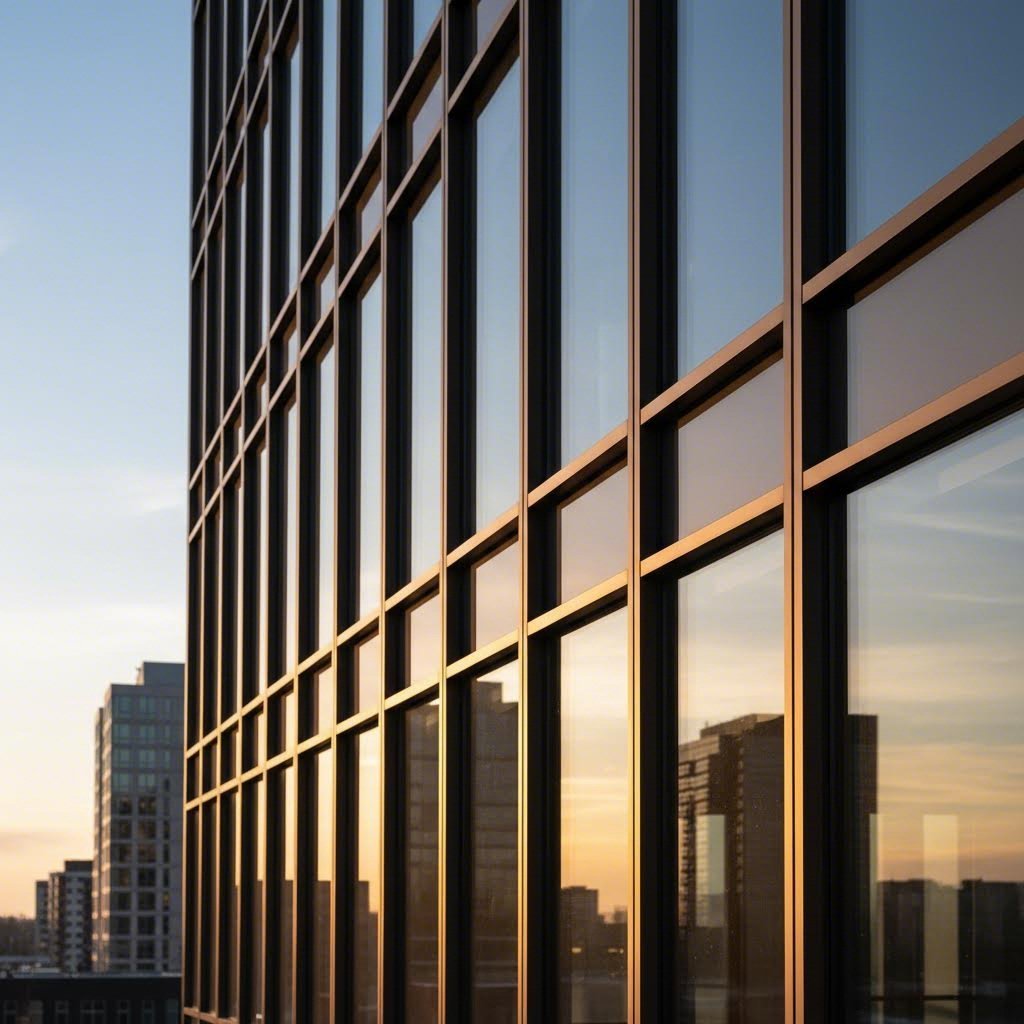
What are aluminum extrusions used for? The short answer: almost everything. From the window frames in your office building to the heat sinks cooling your laptop, custom aluminum extrusion shapes have quietly become essential to modern manufacturing across dozens of industries.
What makes extruded shapes so universally valuable? Consider aluminum's unique combination of properties: lightweight yet strong, naturally corrosion-resistant, infinitely recyclable, and capable of forming virtually any cross-sectional geometry. When you add the design freedom of custom extrusion, you get components optimized precisely for their intended application rather than compromised by off-the-shelf limitations.
According to BRT Extrusions, aluminum extrusions have become indispensable in a wide range of industries thanks to their versatility, durability, and design flexibility. The unique properties of aluminum, coupled with the extrusion process, enable the creation of customized profiles tailored to suit specific applications.
Let's explore how different sectors leverage unique extrusions to solve their most demanding challenges.
Walk through any modern city and you're surrounded by aluminum extrusion shapes - even if you don't notice them. The architecture and construction industry relies heavily on extruded aluminum for applications where aesthetics, durability, and performance must work together.
Why do architects consistently specify custom aluminum profiles? The lightweight nature of aluminum allows for ease of installation while providing structural stability. More importantly, the design flexibility of aluminum extrusions enables architects to create sleek and modern structures with intricate shapes and contours that would be impossible with standard materials.
The finishing options we discussed earlier - anodizing, powder coating, and PVDF - become particularly important for architectural applications where appearance must endure decades of exposure while requiring minimal maintenance.
Step inside any modern manufacturing facility and you'll find aluminum extrusion shapes forming the backbone of production infrastructure. Industrial and machinery sectors utilize extruded aluminum for applications where strength, modularity, and adaptability matter more than appearance.
According to 80/20 Inc., custom aluminum framing lets manufacturers design machine guarding and enclosures, integrate machines with framing and processes, optimize facility workflows from floor to ceiling, and configure material handling solutions that eliminate bottlenecks. The T-slot profile design - where grooves in the extrusion accept specialized fasteners and accessories - has become an industry standard for modular construction.
The modular nature of T-slot extrusion systems deserves special attention. Unlike welded steel structures that require cutting torches to modify, aluminum frame systems can be reconfigured in hours using basic hand tools. This adaptability proves invaluable in lean manufacturing environments where continuous improvement demands constant layout optimization.
When weight directly impacts performance and operating costs, aluminum extrusions deliver advantages no other material can match. Transportation sectors have embraced extruded aluminum shapes across virtually every platform - from family vehicles to commercial aircraft.
As industry experts note, in the automotive industry, aluminum extrusions are used in chassis components, body structures, heat sinks, and engine parts. The lightweight nature of aluminum helps improve fuel efficiency and overall vehicle performance. In aerospace, aircraft aluminum extrusions find applications in frames, wings, seating, and interior components where weight reduction is critical for optimal flight performance.
Beyond transportation, specialty applications showcase the true versatility of custom extrusion shapes:
Each application demonstrates the same fundamental principle: when you can design the profile geometry specifically for your requirements, you eliminate compromises inherent in adapting standard shapes. This design freedom - combined with aluminum's inherent properties - explains why custom extrusions continue gaining market share across virtually every manufacturing sector.
With such diverse applications possible, how do you identify the right partner to bring your custom extrusion project to life? The answer lies in evaluating supplier capabilities systematically - which is exactly what we'll address next.
You've defined your profile geometry, selected your alloy, and mapped out surface treatment requirements. Now comes perhaps the most consequential decision of your entire project: choosing which custom aluminum extrusion suppliers will transform your design into reality. This choice affects everything - from initial quote accuracy to final part quality, from lead time reliability to your ongoing supply chain stability.
The challenge? Custom aluminum extrusion companies vary dramatically in capabilities, equipment, and service philosophy. According to Ya Ji Aluminum, a qualified aluminum extrusion supplier offers much more than extruded profiles - they provide engineering collaboration, quality assurance, and integrated production capabilities that align with your business goals. Finding that complete partner requires systematic evaluation across multiple dimensions.
Let's walk through the criteria that separate exceptional aluminum extrusion suppliers from those who'll leave you managing gaps and coordinating workarounds.
Your supplier's equipment defines what's possible. Before evaluating pricing or lead times, you need to confirm that a potential partner can actually manufacture your profile at the quality level and volume you require.
Start with press capacity. According to Aluphant, extrusion press tonnage determines what profiles a supplier can produce:
Why does this matter? A supplier with limited press range may struggle with your project if requirements change - or may lack the flexibility to serve your full product portfolio. For example, Shengxin Aluminium operates 35 extrusion presses ranging from 600T to 5500T, enabling them to handle everything from precision small profiles to substantial structural sections under one roof. This breadth of capability ensures your projects won't outgrow your supplier relationship.
Beyond press tonnage, evaluate die design capabilities. As industry experts note, many suppliers outsource die manufacturing to third parties, leading to longer lead times and slower problem resolution. Suppliers with in-house die workshops can modify or repair dies quickly, ensuring production continuity and consistent quality throughout your program lifecycle.
Technical engineering support deserves equal attention. According to Minalex, top custom aluminum extruders work in close partnership with clients to determine the optimum approach to constructing a part - sometimes identifying ways to reduce cost, improve performance, or accomplish both with minimal variation from original specifications. This collaborative engineering approach often separates profile custom extrusions partners from transactional vendors.
Due diligence requires asking the right questions - and knowing how to evaluate the answers. Based on industry best practices from leading aluminum extrusion supply experts, here's your comprehensive supplier evaluation checklist:
As industry guidance suggests, the answers to these questions speak volumes about the value a company places on people and service. Employee tenure, client relationship longevity, and supplier partnership duration all indicate organizational stability and commitment to long-term success.
Consider how Shengxin Aluminium addresses these evaluation criteria: with over 30 years of industry experience, their capabilities span the complete production workflow - from initial die development through mass production. Their integrated surface treatment options include anodizing (with custom colors), powder coating, PVDF, and micro-arc oxidation, eliminating the multi-vendor coordination challenges we discussed earlier. Their state-of-the-art CNC machining centers handle precise cutting, drilling, and bending to meet exact specifications, delivering finished components rather than semi-processed profiles.
Beyond equipment checklists, evaluate intangible factors that determine day-to-day partnership quality. According to procurement experts, strong technical communication differentiates professional suppliers from traders. A capable extrusion factory will provide DFM (Design for Manufacturability) feedback on drawings, offer feasibility and cost optimization suggestions, and share inspection photos, reports, and videos before shipment. Procurement managers value suppliers who proactively prevent issues instead of reacting after defects occur.
Finally, consider supply chain stability. As Ya Ji Aluminum advises, review business credentials, expansion history, and international market experience. Choosing a financially stable partner protects your supply chain from sudden disruptions due to bankruptcy or restructuring - a risk that becomes more significant as your dependency on a supplier grows.
The custom aluminum extrusion companies that excel across all these dimensions become true partners in your manufacturing success - not just vendors filling purchase orders. By evaluating systematically and asking probing questions, you'll identify the supplier relationship that delivers consistent quality, reliable timelines, and the technical collaboration your projects deserve.
Custom aluminum extrusion die costs vary based on profile complexity and size. Simple solid profiles typically cost $300-$800, while hollow profiles with internal cavities range from $1,000-$3,000. Multi-cavity dies for high-volume production can reach $1,500-$5,000 or more. The circumscribing circle diameter, tolerance requirements, and cavity count all influence final tooling investment. Many suppliers offer tooling cost refunds when you purchase stipulated volumes within 2 years.
6063 aluminum is the 'architectural alloy' offering excellent extrudability, superior surface finish, and beautiful anodizing response - ideal for window frames, decorative trim, and visible applications. 6061 aluminum provides higher mechanical strength and better machinability, making it preferred for structural components, aircraft parts, and hydraulic manifolds. Both are weldable, though welding can reduce strength by up to 30%.
A complete custom aluminum extrusion project typically spans 6-12 weeks from concept to delivery. This includes design consultation (1-2 weeks), die engineering (1-2 weeks), die manufacturing (2-4 weeks), sample production (3-7 days), approval process (1-2 weeks), and full production (1-4 weeks). Timelines vary based on profile complexity, supplier workload, and secondary processing requirements.
Common surface treatments include clear and colored anodizing for corrosion protection and aesthetics, hard-coat anodizing for wear resistance, powder coating offering unlimited colors and eco-friendly application, and PVDF coating for superior UV resistance on building facades. Specialty options like micro-arc oxidation create ceramic-like coatings for demanding industrial applications. Suppliers like Shengxin Aluminium offer comprehensive finishing including custom anodizing colors, powder coating, PVDF, and micro-arc oxidation.
ISO 9001 certification is the baseline for quality management systems. For aerospace applications, AS9100 certification adds enhanced traceability and configuration control. Defense projects require ITAR registration for handling controlled technical data. NADCAP accreditation validates special processes like heat treatment. Always verify certifications directly through the accreditation body's website to confirm they're current and cover your required products.



 Інтернет-сервіс
 0086 136 3563 2360
 sales@sxalu.com
 +86 136 3563 2360
 Українська
 English
 français
 Deutsch
 русский
 español
 português
 العربية
 ไทย
ไทย Việt
Việt