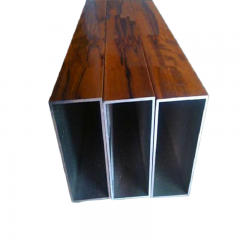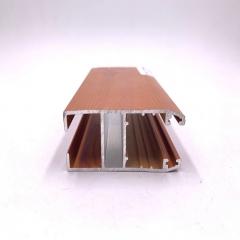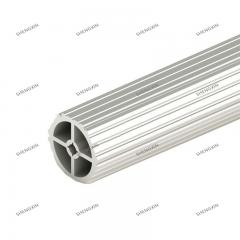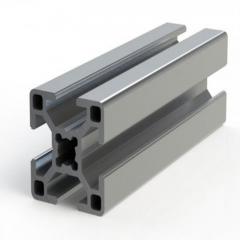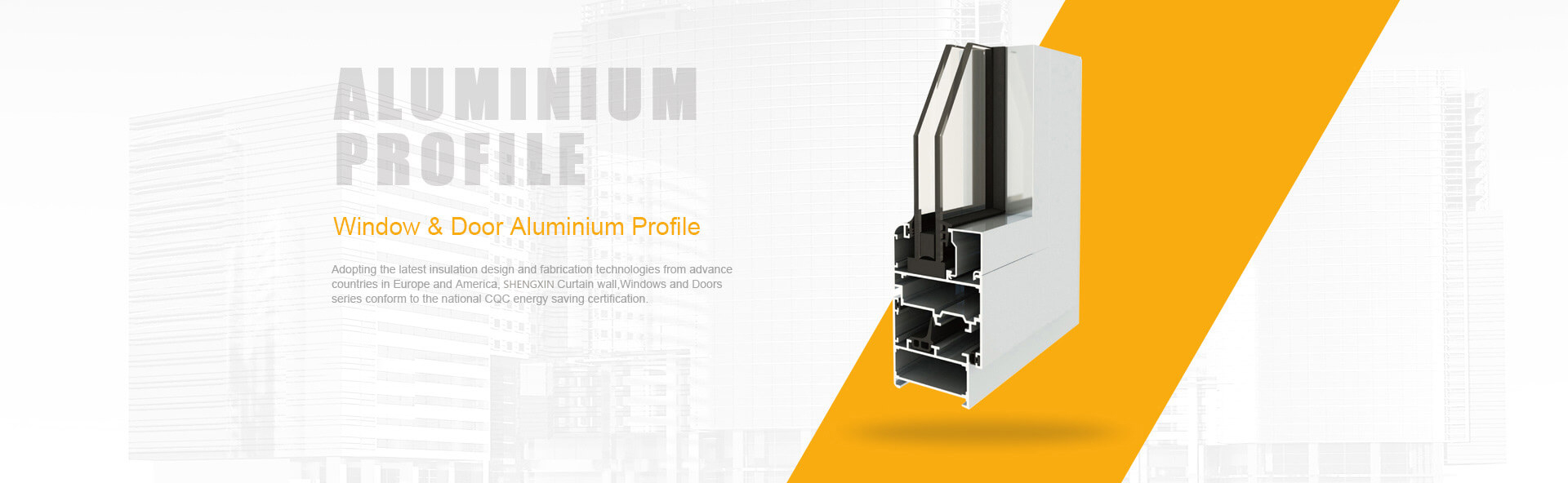
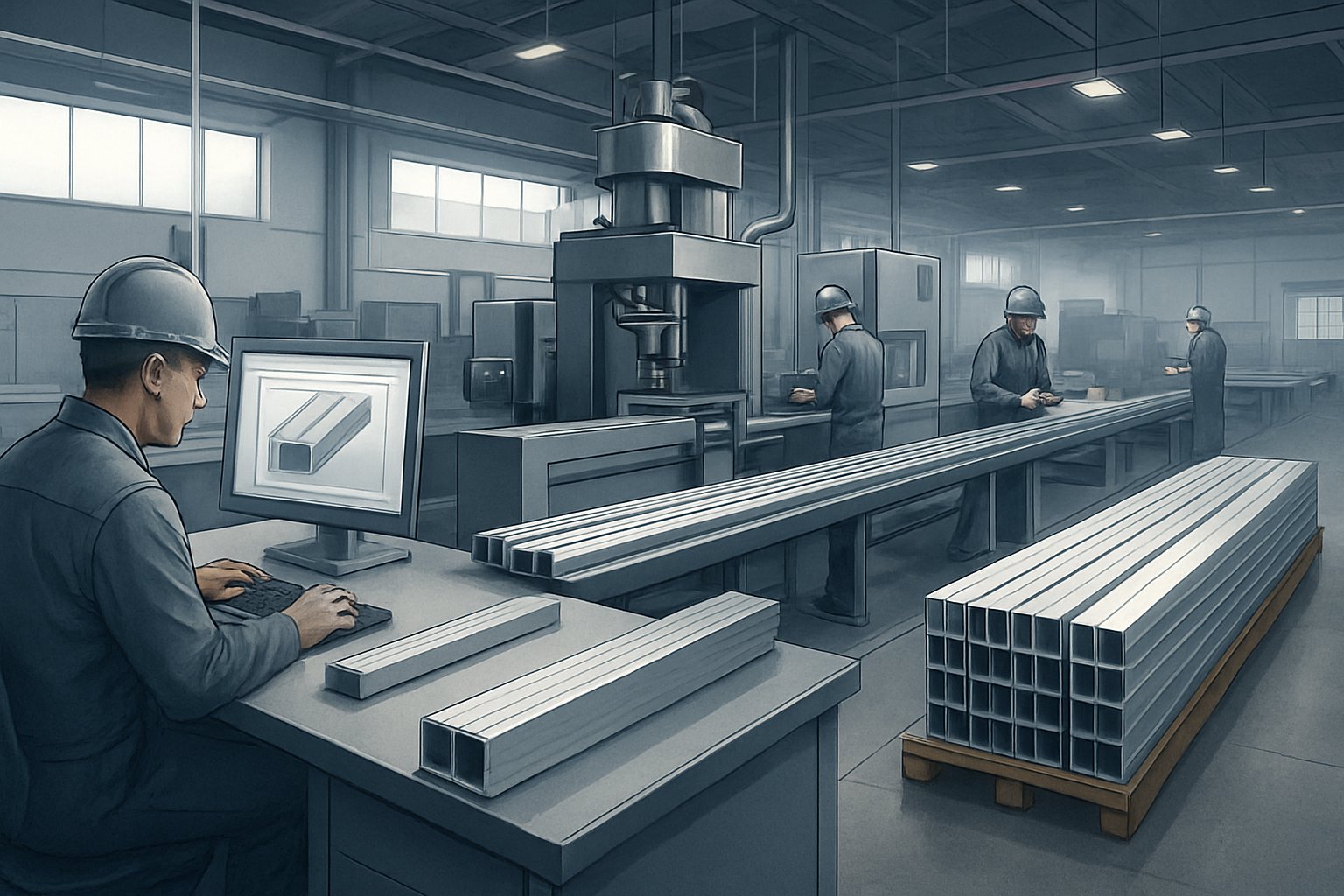
A quote can look simple on paper. The factory name, the profile drawing, the price per kilogram. Yet the role behind that quote is usually much broader than many buyers expect. For procurement teams and engineers, that distinction matters because cost, risk, and lead time are shaped long before the metal leaves the press.
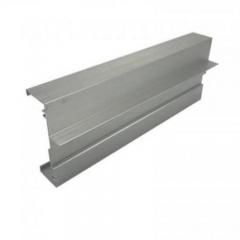
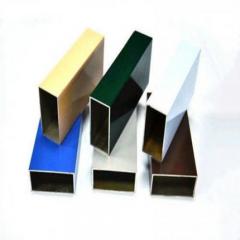
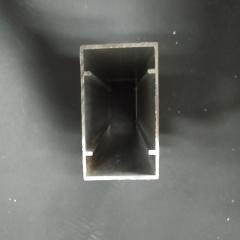
An aluminium profile manufacturer is a company that produces shaped aluminum sections, usually through extrusion, and often supports the full project path from design review and die development to fabrication, finishing, inspection, packing, and delivery.
That definition lines up with how Flexi and Fortune describe profile production: extrusion creates precise cross-sectional shapes, but the usable part often depends on several downstream steps.
An experienced aluminium profile manufacturer does more than push heated billet through a die. It helps translate application needs into a manufacturable section. That may include checking wall thickness, reviewing shape complexity, suggesting standard sections, or flagging features that could raise scrap or tooling risk. In practice, many aluminium profile manufacturers act as technical partners as much as production vendors.
Profiles show up almost everywhere because they combine low weight, corrosion resistance, and design flexibility. Reference material highlights their use in construction, transportation, electronics, industrial equipment, and modular systems. That is why an aluminium extrusion profile manufacturer may be involved in anything from window frames and machine guards to heat sinks and conveyor structures. An aluminium profile section manufacturer is not just selling a shape. It is helping determine how that shape performs in assembly, appearance, and service life.
Buyers often compare only the raw extrusion rate, even though the full service package can change the real landed cost.
Those hidden scope differences are exactly why two quotes for the same drawing can look similar at first glance and behave very differently once production begins. The process behind that gap is where supplier comparisons start to get real.
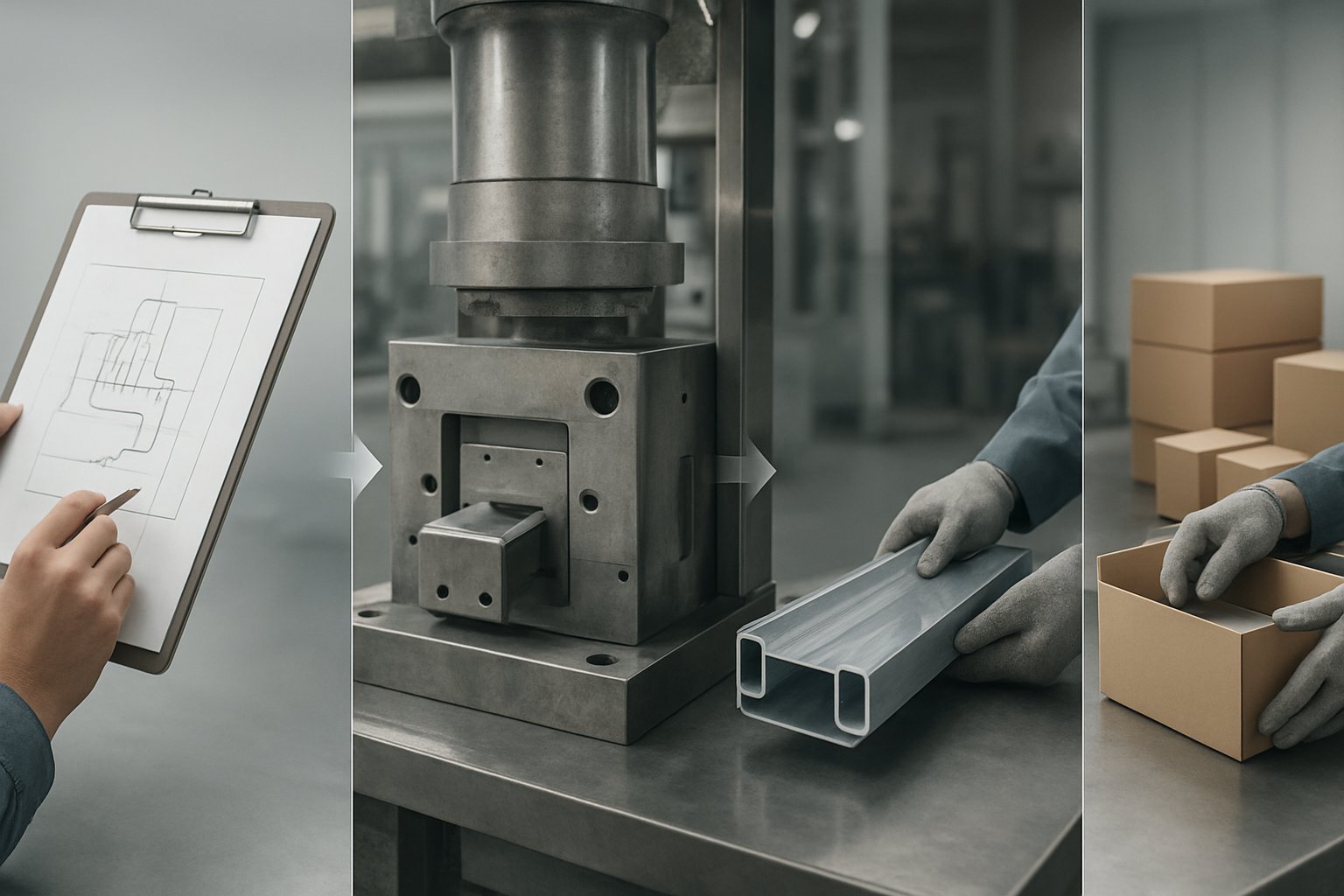
Price gaps start to make more sense when the workflow is visible. In real aluminium profile manufacture, the quoted shape moves through a chain of design, tooling, heat control, finishing, inspection, and packing decisions. That is why an aluminium extrusion profiles manufacturer usually asks more questions than a buyer expects. For teams comparing aluminium extrusion profile manufacturers or aluminium extruded profiles manufacturers, process visibility often explains more than the headline rate.
The job usually starts with a CAD drawing, dimensioned sketch, or sample. Engineers review the cross-section, wall thickness, alloy choice, and the function of grooves, channels, or hollow areas. A tolerance is the allowed variation from the drawing. Profile complexity means how difficult the section is to extrude consistently, especially when thin walls, sharp corners, or multiple voids are involved. Guidance from Ya Ji Aluminum notes that typical extrusion tolerances may range from about ±0.15 mm to ±0.5 mm depending on profile size and the standard used.
After that review, a custom die is machined from hardened tool steel and then tested. This matters because heat and pressure can slightly affect metal flow during the first run, so new tooling often needs validation before full production.
Extrusion is the core forming step. A heated aluminium billet is forced through the die, creating a long profile with a uniform cross-section. Material guidance from JM Aluminium and Ya Ji Aluminum describes a flow that begins with design and moves through billet heating, pressing, cooling, straightening, cutting, finishing, and final delivery.
Here, fabrication means secondary operations added after the basic shape is extruded. Surface treatment means the finishing layer that improves appearance, corrosion resistance, or wear behavior.
| Stage | Purpose | Common delay points |
|---|---|---|
| Design review | Confirm geometry, alloy, and tolerances | Incomplete drawings, unclear end use |
| Die trial | Validate shape and metal flow | Die correction, thin-wall distortion |
| Billet prep | Improve ductility before pressing | Alloy mismatch, temperature control issues |
| Extrusion | Form the continuous profile | Complex sections needing speed or pressure adjustment |
| Cooling and straightening | Stabilize properties and reduce twist | Irregular cooling, bow, or warp |
| Fabrication and finishing | Add features and protect the surface | Hole changes, contamination, color matching |
| Inspection and packing | Verify conformity and protect during transit | Scratch rework, packaging spec changes |
Most rework does not come from one dramatic failure. It usually starts with small mismatches: a profile drawn too aggressively for stable flow, a finish requested without enough surface-quality allowance, or fabrication features added after tooling is frozen. Even an experienced aluminium extrusion profiles manufacturer has to control die wear, cooling consistency, and surface cleanliness to avoid dimensional drift, scratches, die lines, cracking, or finish variation, issues also highlighted by Offshore Direct Metals.
Many sourcing headaches begin at the very first fork in the road. A standard section can remove part of the tooling risk, while a custom profile may justify the extra work if the design gains are real.
When comparing an aluminium profile manufacturer quote, one decision often drives the biggest cost difference: should you buy a standard section or fund a custom die. A recent cost analysis notes that standard profiles usually look cheaper at the start because the tooling already exists and supply is more straightforward. Custom extrusions, though, can lower total cost when they remove machining, joining, wasted material, or slow assembly.
Standard sections are the practical choice when your drawing is close to a common shape and minor adjustments are acceptable. The reference highlights familiar options such as angles, channels, T-sections, flat bars, and hollow sections. In those cases, buyers avoid new tooling costs and often gain a faster path to supply.
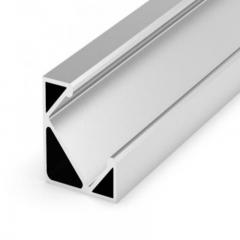
This is why common structural jobs often start with existing catalog shapes. If a project can use a stocked angle or trim, an aluminium c profile manufacturer, aluminium corner profile manufacturer, or aluminium l profile manufacturer may already offer a section that works well enough without redesign. The same logic applies when an aluminium channel profiles manufacturer or aluminium box profile manufacturer can supply a near-match for a simple frame or support member.
Custom profiles start to make sense when a standard section creates too many workarounds. The same source warns that poor fit usually leads to extra machining, welding, joining multiple parts, more fasteners, or added reinforcement. Those costs do not always show up in the initial quote, but they can build quickly in production.
That is where bespoke aluminium profiles manufacturers add value. A custom die can place material only where it is needed and build in slots, cavities, mounting features, or cleaner visual lines from the start. For buyers evaluating an aluminium t slot/ fencing profile manufacturer, a standard modular profile may be enough for a basic structure, while a custom section becomes more attractive when the part must combine strength, appearance, and several functions in one extrusion.
| Decision factor | Standard profile | Custom profile |
|---|---|---|
| Tooling | Uses existing dies, so upfront tooling cost is low or avoided | Requires a new die and an initial tooling investment |
| Lead time | Usually shorter when the section is already in regular production | Longer at the start because design review, die making, and approval are needed |
| Flexibility | Limited to existing dimensions and geometry | High. Wall thickness, cavities, slots, and features can be tailored |
| Run size fit | Often better for lower-volume or budget-limited jobs | Often better for medium- to high-volume programs where tooling is spread across units |
| Revision risk | Low if the section already fits, but workaround risk rises if it does not | Higher early design responsibility, but lower recurring workaround risk when engineered well |
| Common application fit | Simple structural uses or projects that accept minor modification | Weight-sensitive, appearance-driven, or function-specific parts |
| Hidden cost pattern | Can increase through extra machining, joining, fasteners, and reinforcement | Can reduce labor, waste, and assembly steps over the long term |
A useful test is simple: does the custom shape remove enough downstream cost to pay back the die. If it improves assembly speed, reduces material, sharpens appearance, or solves a functional problem that a stock section cannot, custom often earns its place. If the existing shape already does the job with little compromise, standard is usually the safer buy.
Geometry is only part of that choice, though. A profile that looks right on paper can still become expensive if the alloy, temper, or finish does not suit the application.
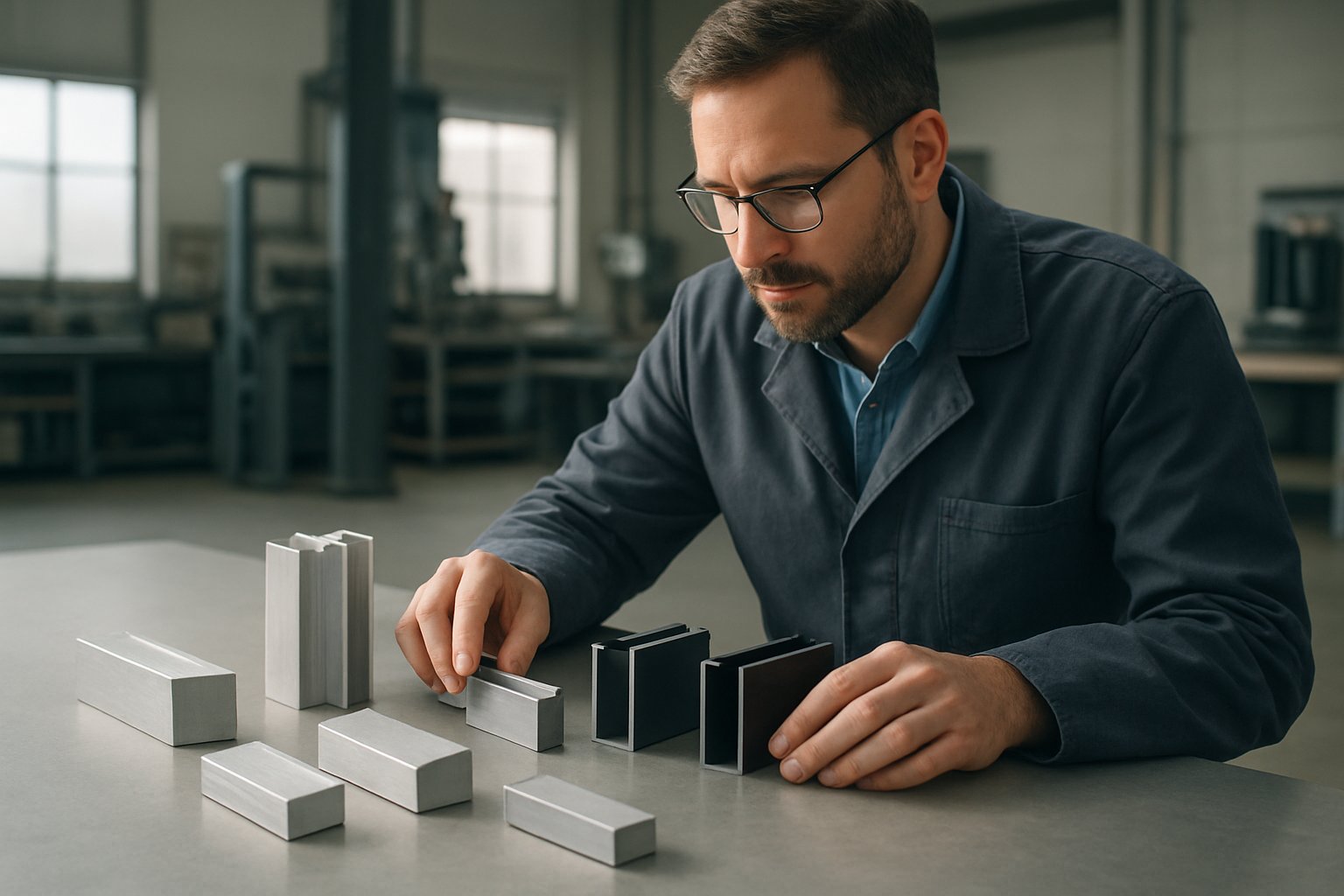
A smart profile shape can still become an expensive part if the material spec works against extrusion, fabrication, or finishing. For buyers comparing aluminium alloy profile manufacturers, this is often where quote differences start to make sense. A capable aluminium alloy profile manufacturer will usually ask about load, environment, appearance, and downstream processing before locking in the final alloy and temper.
Match the service environment and load first. Choose the finish after that, not before.
For extrusions, 6xxx-series alloys are the usual starting point because they balance strength, corrosion resistance, and workable extrusion behavior. Material guidance from Kimsen describes these magnesium-silicon alloys as easy to form, machine, and finish, which is why they are common in structural and architectural sections.
Inside that family, the tradeoff is practical. 6063 is widely used when appearance, corrosion resistance, and formability matter. It is also well suited to bright-dip anodizing for reflective finishes. 6061 is a stronger, highly weldable multi-purpose choice for structural applications. 6005 sits close to 6061 in mechanical performance, but Kimsen notes it can offer better extrudability and surface appearance. The same source also states that 6063 may allow 25 to 35 percent thinner walls than 6061, which matters when an aluminium extruded profiles manufacturer is trying to hold a lightweight design without sacrificing finish quality.
Temper tells you how the alloy reached its current condition through heat treatment or cold work. Guidance from Alu4All frames the common choices clearly: O is soft and ductile, T4 offers good formability with moderate strength, T5 balances strength and formability after artificial aging, and T6 is the strongest of the standard extrusion tempers. Those labels are not just paperwork. They affect how easily a profile can be drilled, punched, countersunk, cut, bent, and deburred after extrusion.
| Alloy and temper option | Strength and stiffness | Corrosion and finish behavior | Fabrication friendliness | Typical sourcing fit |
|---|---|---|---|---|
| 6063, often T5 or T6 | Moderate | Good corrosion resistance and strong visual finish potential, especially for anodized parts | Good extrudability and formability, useful for cleaner surfaces and thinner walls | Architectural and general-purpose profiles |
| 6005, often T5 or T6 | High within common extrusion grades | Good corrosion resistance with better surface appearance than 6061 in many cases | Good for demanding shapes where strength and extrudability both matter | Structural sections, racking, load-aware designs |
| 6061-T4 | Moderate to high | Good corrosion resistance | More formable than T6, helpful when welding or shaping comes before final service use | Parts needing more secondary fabrication |
| 6061-T6 | High | Good corrosion resistance, but finish appearance is usually less forgiving than 6063 | Strong structural choice, though less forgiving for very thin or appearance-critical shapes | General structural and multi-purpose applications |
| O or softer tempers | Low | Depends on alloy family | Best when ductility and bending take priority over load capacity | Profiles that need significant post-extrusion forming |
That is why experienced aluminium extrusion profiles manufacturers review temper together with the fabrication plan. A harder temper may improve load capacity, but it can narrow bending options or make edge quality more sensitive during punching and countersinking.
Finish selection is tied to alloy chemistry more closely than many buyers expect. Work from Hydro explains that anodizing creates a protective oxide layer that improves corrosion resistance, weathering resistance, and appearance. Their research on 6060 profiles found that temper also affects surface appearance, with T4 showing a slightly higher tendency toward preferential grain etching than T6 or T7 during alkaline pretreatment.
If appearance is critical, ask how the chosen alloy and temper behave in the intended finish line.
Powder coating brings a different concern. The coating itself is only part of the system. Pretreatment does much of the corrosion work underneath it. Hydro reports that powder-coated 6060 profiles met Qualicoat requirements when recommended pretreatment was used, while untreated areas showed corrosion. For buyers, the lesson is simple: discuss anodizing or powder coating alongside machining and fabrication. Drilling, punching, bending, and deburring can all change edge condition and surface cleanliness before finishing. That is exactly where differences between aluminium alloy profile manufacturers become visible, and why the right material package for a window frame may be very different from the right one for machinery, transport parts, or LED housings.
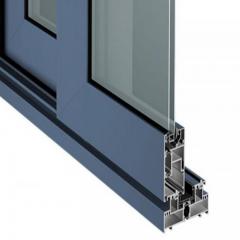
The best alloy, temper, and finish only make sense when the end use is clear. A profile for a sliding window, for example, is judged very differently from one used in a machine frame or a sealed cleanroom wall. That is why an experienced aluminium profile manufacturer looks beyond the drawing and asks where the part will live, what it must carry, and how it will be assembled.
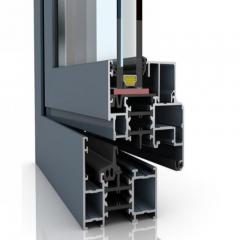
In buildings, profiles are often chosen for appearance, weather resistance, and easy fabrication. Architectural guidance from Guangya Aluminium shows why 6063 is widely used for windows, doors, facades, and curtain wall framing: it supports smooth surfaces, clean lines, and finishes such as anodizing. That is especially relevant when buyers compare aluminium window profile manufacturers, an aluminium door frame profile manufacturer, or a window profiles aluminium manufacturer.
Industrial use shifts the priority from looks to function. Chalco's application guide highlights profiles in transportation, robotics, power systems, and machinery because aluminum combines low density, corrosion resistance, and good processability.
Some profile families are highly application-specific. Heat sinks and lighting housings need sections that help thermal performance, so an aluminium led profile manufacturer may focus on fin geometry, diffuser fit, and cosmetic finish. Clean environments demand something different. Cleanroom profile guidance emphasizes low-seam, flush, non-porous, easy-to-clean surfaces for walls, ceilings, door and window frames, and coving transitions.
Those differences explain why supplier comparisons cannot stop at price per kilogram. Profile type, end-use demands, and production focus often reveal which factories are built for volume, which for architecture, and which for tighter technical work.
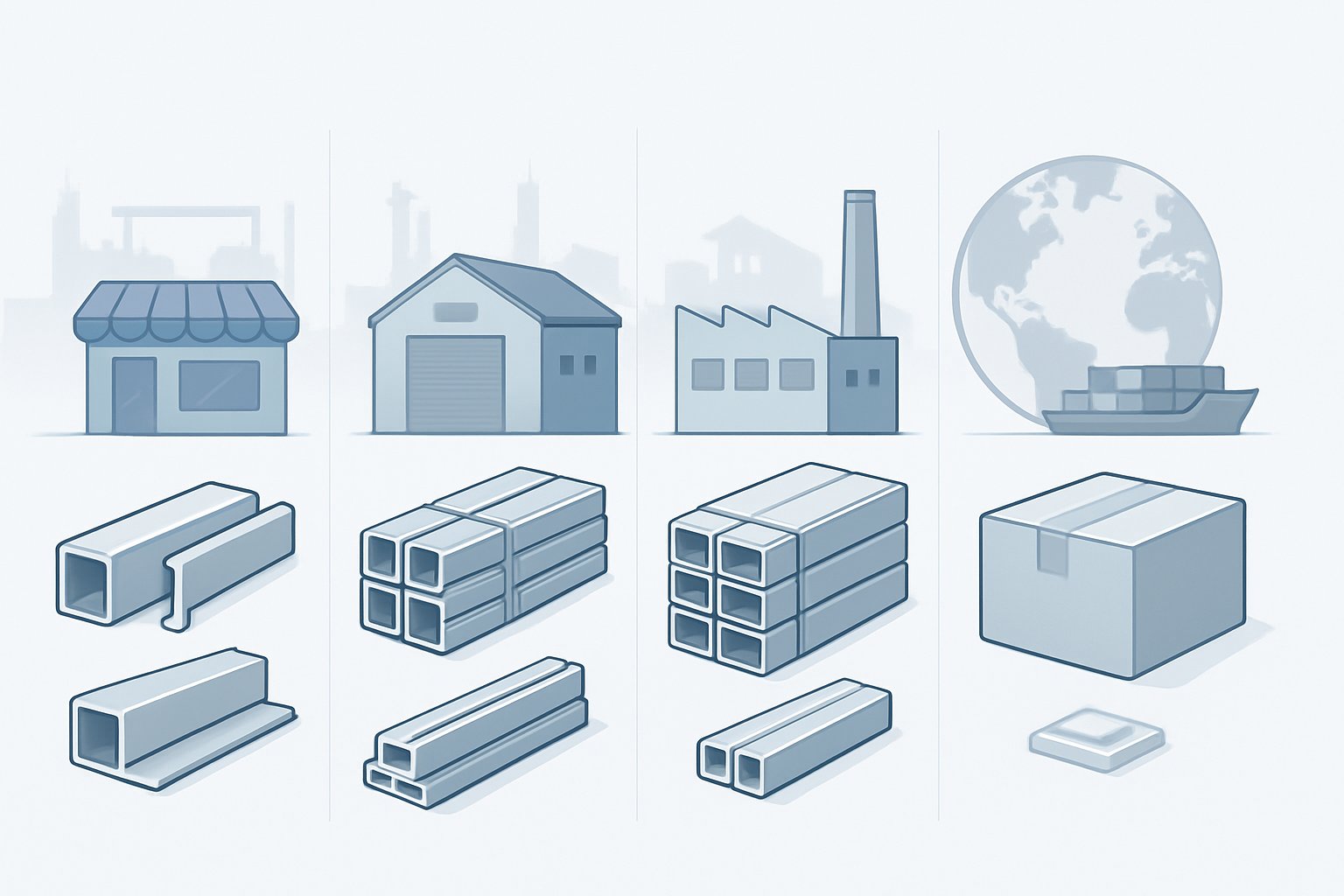
Application fit changes the sourcing picture fast. A factory built around window sections is not automatically the right choice for a tight-tolerance machined housing or a large structural member. Buyers comparing aluminium profile manufacturers in china, aluminium profile manufacturers in india, and aluminium profile manufacturers in turkey often begin with geography. A better starting point is supplier type: what the plant is designed to run well, how much finishing it controls in-house, and how reliably it holds quality from die trial to shipment.
A practical supplier pre-audit usually starts with press size, supported profile dimensions, alloy range, downstream processes, and certifications, as outlined in Aluphant's audit guide. That matters because high-volume general extruders, architectural specialists, and precision-focused manufacturers are optimized for very different kinds of work.
| Supplier type | Best fit | Complexity tolerance | Press capability signal | Achievable profile size | Wall thickness limits | Finishing depth | Quality control focus | Logistics support |
|---|---|---|---|---|---|---|---|---|
| High-volume general extrusion suppliers | Standard industrial and structural profiles, repeat orders, large runs | Usually best with low to moderate complexity | Broad press mix and high throughput are common signals | Often wider size range, but buyers should verify actual supported dimensions | May be less suitable for very thin, intricate walls unless proven by samples | Basic to good, sometimes partly outsourced | Routine dimensional checks, material certs, process stability | Often strong for bulk shipping and recurring order planning |
| Architectural specialists | Doors, windows, curtain wall, trims, visually important sections | Moderate complexity with strong appearance control | Setup often centered on common architectural alloys and long lengths | Well suited to profile families used in building systems | Can perform well on appearance-sensitive walls within established section ranges | Usually stronger in anodizing and powder coating depth | Surface quality, color consistency, coating thickness, straightness | Good packaging for finished long lengths and mixed color batches |
| Precision-focused manufacturers | Profiles needing machining, tight assembly fit, or more documentation | Higher tolerance for complex sections after design review | Press range may be smaller, but process control and downstream machining are deeper | Often strongest on small to medium profiles rather than the largest sections | Better candidates for tighter walls and critical tolerances when capability is demonstrated | More likely to offer integrated CNC, deburring, and controlled finishing | FAI or PPAP readiness, traceability, calibrated measurement systems | Better for coordinated fabricated lots than simple commodity volume |
Location-based searches can hide these differences. Lists of aluminium profile manufacturers in chennai or aluminium profile manufacturers in mumbai may help with travel, freight, or local service, but city name alone does not confirm die management, press tonnage, or finish consistency. The same caution applies when screening china aluminium profile manufacturers or broader groups of aluminium extrusion profile manufacturers in india.
Regional reputation is useful, but it should never replace evidence. A published industry comparison shows that aluminium profile manufacturers in india range from mid-size plants to very large operations with capacity above 90,000 MT per year. That alone tells buyers not to treat the country as one supplier category. The same source notes that some Asian manufacturers in China operate more than 40 extrusion lines ranging from 500 to 4,500 tons and combine extrusion with CNC machining, surface treatment, and packaging under one roof, which helps explain why many sourcing teams also review aluminium profile manufacturers in china for integrated programs.
Public data in the provided references is thinner for aluminium profile manufacturers in turkey. That does not mean weaker or stronger capability. It means buyers should validate rather than assume. Request the same proof everywhere: press list, alloy range, supported dimensions, sample inspection reports, finishing controls, packaging method, and records for similar exports.
That comparison usually narrows the shortlist quickly. Then a different set of tradeoffs starts to matter just as much as factory capability: tooling terms, sample approval, MOQ, scheduling, and how production slots are actually secured.
Factory capability tells you what a supplier can make. Order planning shows whether they can deliver it smoothly. For teams buying from aluminium building profiles manufacturers, aluminium frame profile manufacturers, an aluminium box beam profiles manufacturer, or a specialist aluminium hollow profile manufacturer, the biggest sourcing problems usually appear in tooling, approvals, scheduling, and finishing coordination rather than in extrusion alone.
The buying path is usually straightforward on paper. SinoExtrud frames it as requirements, drawings or samples, quote and terms, order confirmation, production follow-up, and shipping. Custom work adds one more critical layer: tooling. Its lead-time guide shows a typical sequence of die design, die fabrication, first sample run, adjustments, and final approval. That approval stage matters because late design changes can push cost and delivery in the wrong direction fast.
MOQ, or minimum order quantity, is rarely just a sales number. It is shaped by die economics, press scheduling, finishing batch efficiency, and packing setup. Small runs may still be possible, but they often cost more per unit or wait for a combined production slot. For timing, SinoExtrud places many custom extrusion orders at about 6 to 12 weeks after tooling approval. Simple profiles using existing tooling may move faster, while new tooling and complex sections can extend the schedule.
| Lead-time driver | Why it matters | Typical effect |
|---|---|---|
| Tooling status | New dies require design, fabrication, testing, and possible correction | Existing tooling is faster; new tooling can add weeks |
| Plant backlog | Orders wait in the production queue | Heavy load can delay even simple jobs |
| Order volume | Larger runs need more press and finishing capacity | Longer scheduling and batch completion time |
| Finish requirements | Anodizing, powder coating, CNC work, or assembly add steps | Extra processing days or weeks |
| Customer changes | Revised drawings, late approvals, or missing specs stop flow | Production pauses until issues are cleared |
The safest quotes usually come from suppliers that ask more questions early. Good support means reviewing manufacturability, checking finish compatibility, confirming inspection points, and aligning packing with transport risk. The same buying reference highlights material certificates, dimensional checks, finish inspection, and packing inspection as part of pre-shipment control. That is why a low quote with vague approval rules can become the expensive option later.
After those neutral checks are in place, one factory example worth reviewing is Shengxin Aluminium. For buyers needing strong yet lightweight structural components, it may be relevant because it offers custom profiles in varied shapes, sizes, and surface treatments for construction, transportation, and industrial machinery. The smarter move, though, is to compare any supplier against the same checklist of drawings, samples, quality records, and delivery support. Those documents are exactly what separate a casual inquiry from a strong shortlist.
Documents are what turn a quote request into a sourcing decision. Whether you are vetting one aluminium profiles manufacturer for a repeat order, comparing an aluminium profile manufacturer in india with export suppliers, or screening several aluminium profiles manufacturers in india, the strongest shortlist is built on evidence you can review side by side.
A clean RFQ package usually gets better answers faster. Guidance from Shengxin Global also points buyers toward quality certificates, product samples, finish options, engineering support, production capacity, and export capability. In practice, that means preparing your drawing set, finish notes, target quantities, approval criteria, and any assembly-fit concerns before sending inquiries.
A good shortlist does not just identify who can extrude the profile. It shows who can hold the drawing, finish it correctly, document the result, and deliver it with fewer surprises.
A basic extrusion supplier may only press the shape. A full aluminium profile manufacturer often supports drawing review, die development, machining, surface finishing, inspection, packaging, and shipment coordination as well. That wider role matters because many quality, cost, and timing issues appear after extrusion, so buyers should always confirm which services are handled in-house and which are outsourced.
Standard sections are usually the smarter option when a common angle, channel, box, or frame profile already fits the job with only minor adjustment. A custom die becomes more valuable when it can reduce assembly steps, remove extra machining, improve appearance, or cut unnecessary weight from the design. In practice, the best choice depends on total manufacturing effort, not just the lowest starting quote.
Many projects begin with 6xxx-series alloys because they offer a practical mix of corrosion resistance, strength, and good finishing behavior. The right temper depends on what the part must do next: softer conditions help when forming is important, while stronger tempers are often chosen for more demanding structural use. A capable supplier should review alloy, temper, fabrication steps, and finish together so the final profile works in real service, not only on paper.
MOQ and lead time are usually shaped by tooling status, press scheduling, finishing batch efficiency, fabrication needs, and sample approval. A new die, late drawing revisions, special packaging, or outsourced finishing can all extend the timeline, even for a simple-looking section. Ask suppliers to break the order into tooling, sample, production, finishing, and shipping stages so you can see where delays are most likely.
Start with evidence rather than marketing claims. Compare suppliers on drawing support, die capability, in-house machining and finishing, inspection records, certificates, packaging standards, and export coordination. If your project needs strong yet lightweight custom sections, you can also review factories that offer varied shapes, sizes, and surface treatments, such as Shengxin Aluminium, but it should still be judged against the same checklist for samples, traceability, and delivery support.



 Інтернет-сервіс
 0086 136 3563 2360
 sales@sxalu.com
 +86 136 3563 2360
 Українська
 English
 français
 Deutsch
 русский
 español
 português
 العربية
 ไทย
ไทย Việt
Việt