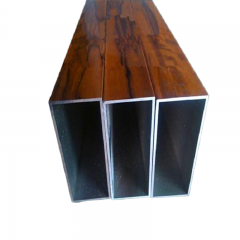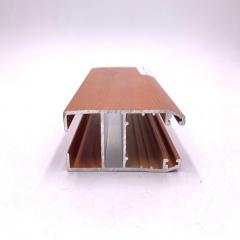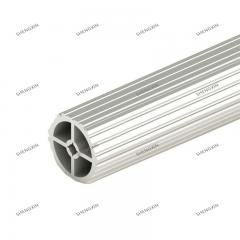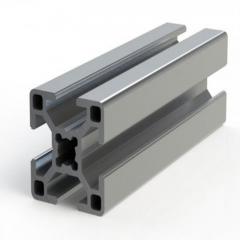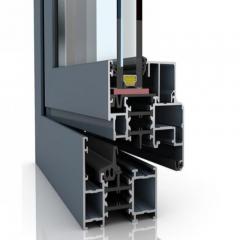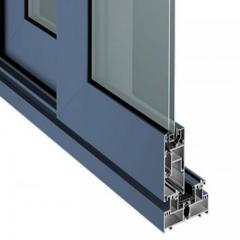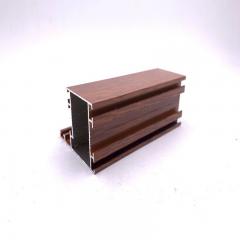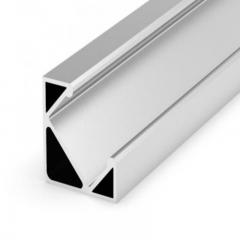
When you need lightweight structural components that won't sacrifice strength, aluminum rectangular tubing becomes your go-to solution. But what exactly is aluminum rectangular extrusion, and why does the manufacturing method matter so much?
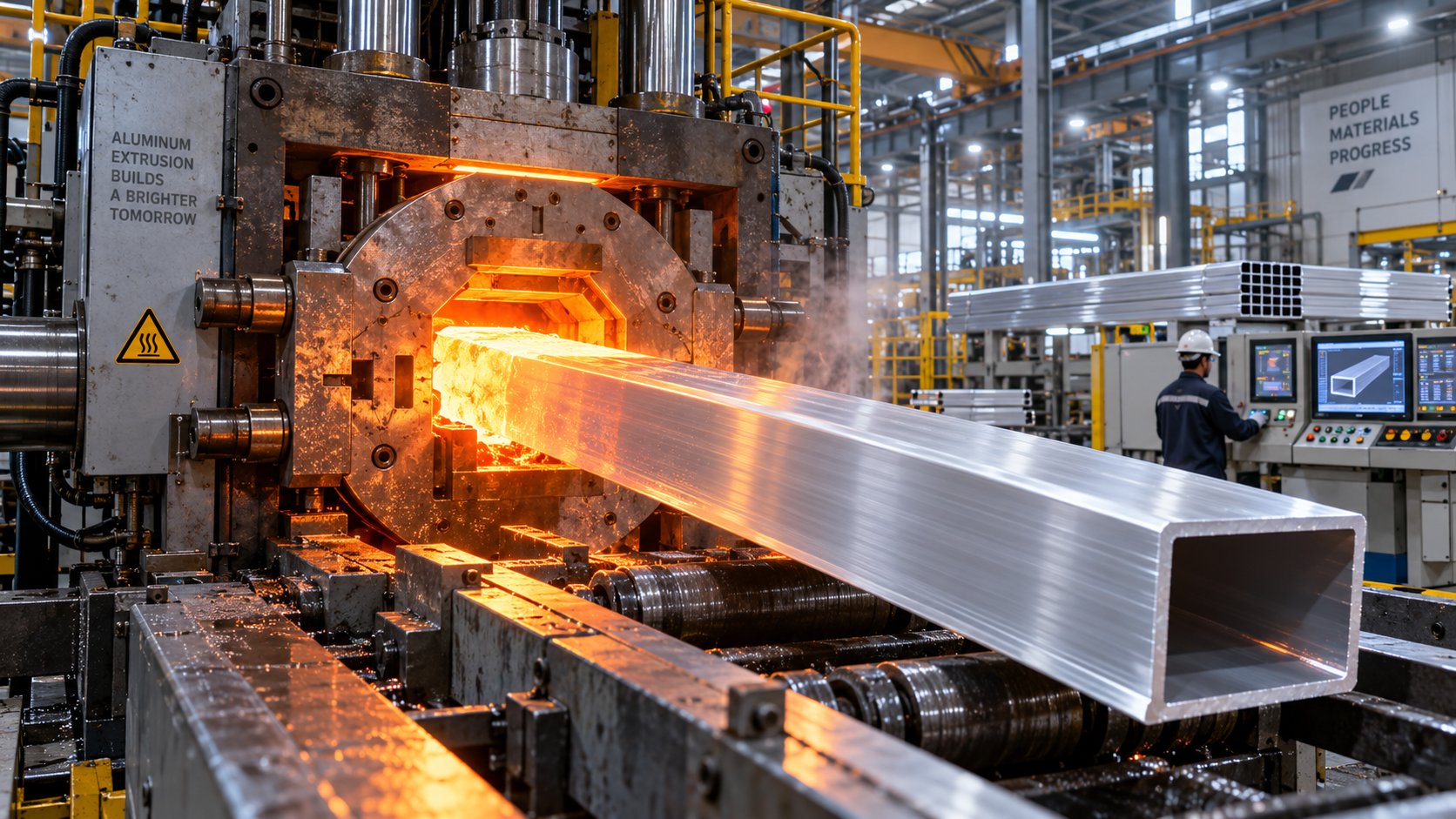
Aluminum rectangular extrusion is a manufacturing process where heated aluminum alloy is forced through a specially shaped die to create hollow, rectangular tube profiles with consistent cross-sections and superior structural integrity.
This process transforms solid aluminum billets into precisely shaped hollow profiles—giving engineers, fabricators, and builders a versatile material that performs exceptionally across countless applications.
Imagine squeezing toothpaste through a tube. The extrusion process works on a similar principle, just with significantly more force and precision. Here's how manufacturers create each extruded aluminum tube:
The journey begins with preparing a cylindrical aluminum billet, which is cut from a larger log of material. This billet gets preheated in an oven to temperatures between 400-500°C. At this temperature, the aluminum becomes malleable—soft enough to shape, yet not molten.
Meanwhile, the rectangular tube metal die undergoes its own preheating to 450-500°C. This careful temperature control ensures even metal flow and extends the die's working life.
Once both components reach optimal temperatures, the billet transfers into the extrusion press. A hydraulic ram then applies tremendous pressure—up to 15,000 tons—forcing the softened aluminum through the die opening. The material emerges fully formed as a continuous rectangular tube profile.
After exiting the press, the extruded tube undergoes rapid cooling through water baths or specialized fans. This "quenching" process locks in the material's properties. Workers then stretch the profiles to correct any twisting and cut them to standard lengths before final heat treatment achieves the desired temper.
You might wonder why extrusion dominates when other manufacturing methods exist. The answer lies in what happens at the molecular level during the process.
Cast aluminum, while cost-effective for complex shapes, often contains porosity and inconsistent grain structures. Rolled aluminum works well for flat sheets but struggles with hollow profiles. Drawn aluminum requires multiple passes and can introduce stress points.
Aluminum extrusion tube production, by contrast, creates profiles with:
The extrusion process also allows manufacturers to create complex hollow shapes in a single operation—something that would require welding or assembly with other methods. This means fewer weak points and more reliable structural performance.
Throughout this guide, you'll discover how to navigate alloy selections, understand dimensional specifications, and make purchasing decisions that suppliers rarely explain. Whether you're sourcing materials for architectural projects, industrial equipment, or custom fabrication, understanding these fundamentals puts you in control of your material choices.
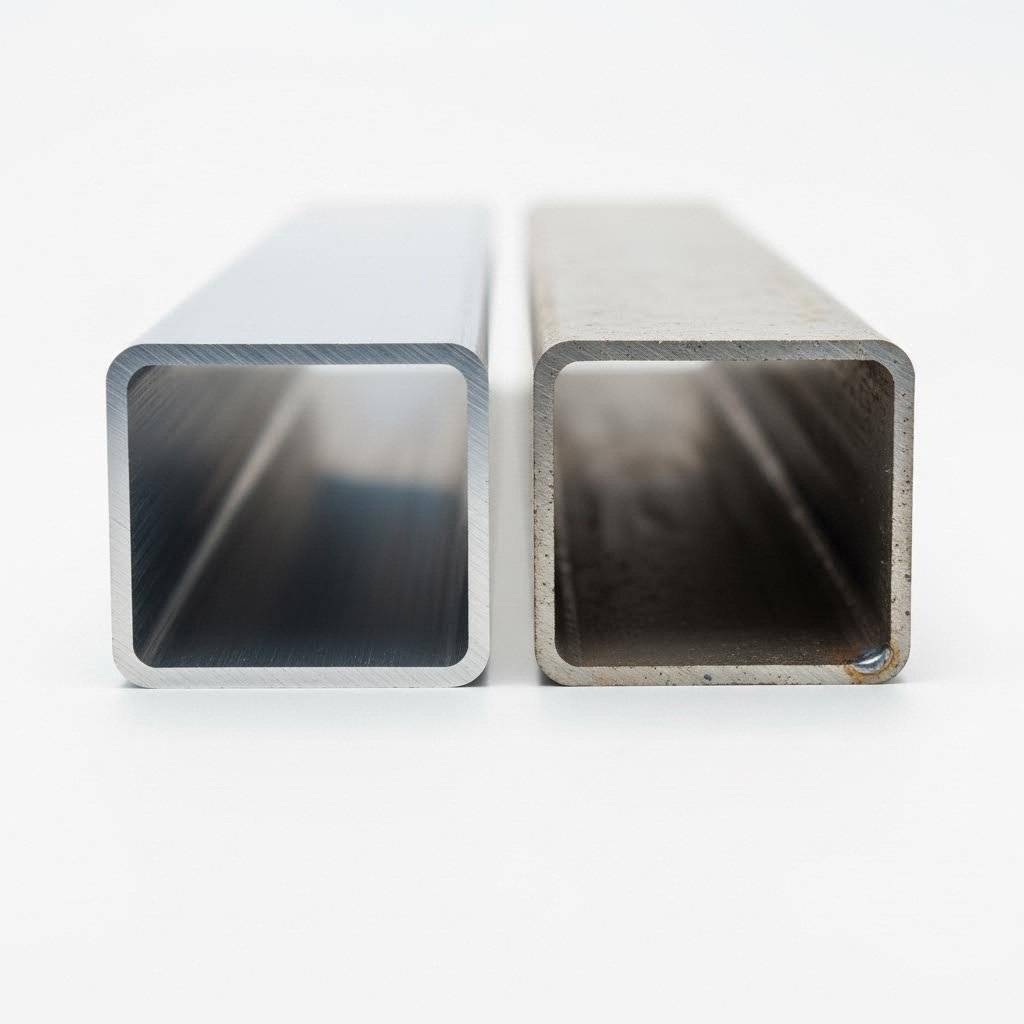
Choosing the right alloy for your aluminum tube can feel overwhelming when suppliers throw around numbers like 6061, 6063, and 6005 without explaining what they actually mean. Here's the truth: selecting the wrong alloy could cost you structural integrity, surface quality, or unnecessary expense. Let's break down exactly what separates these three primary alloys used in structural aluminum tubing.
All three belong to the 6000 series—aluminum alloys primarily combined with magnesium and silicon. This combination creates magnesium silicide (Mg₂Si), which delivers the strength and corrosion resistance these alloys are known for. However, subtle differences in copper, manganese, and trace elements create distinct performance characteristics you need to understand.
When comparing 6061 aluminum tubing against 6063, think of it as strength versus aesthetics. Each excels in different applications, and understanding this distinction prevents costly mistakes.
6061 Aluminum contains slightly more copper (around 0.28%) and magnesium (approximately 1.0%). This composition makes 6061 tubing significantly stronger—ideal when your structural aluminium tube must bear heavy loads or withstand impact. You'll find 6061 in automotive frames, aerospace components, and machinery where failure isn't an option.
6063 Aluminum is purer, with lower amounts of copper and other alloying elements. While this reduces raw strength, it dramatically improves surface finish and extrudability. Complex thin-walled profiles flow beautifully through extrusion dies in 6063, emerging with smooth surfaces ready for anodizing or powder coating. Architects and designers prefer 6063 for window frames, door frames, and decorative aluminum square stock applications where appearance matters.
Here's a practical way to decide: If your project demands load-bearing capability or will undergo significant machining, choose 6061. If you need intricate profiles with flawless surface finish for visible installations, 6063 delivers superior results.
6005 Aluminum sits between these two options. With medium strength approaching 6061 levels and better extrudability than 6061 (though not matching 6063), it serves as a compromise alloy for structural extrusions where moderate strength meets reasonable surface quality. Rail cars, ladders, and modular framing systems often utilize 6005 for this balanced performance.
Alloy selection only tells half the story. The temper designation following the alloy number reveals how the material was treated after extrusion—and this dramatically affects performance.
T6 Temper indicates the aluminum was solution heat-treated and then artificially aged. During solution heat treatment, the material heats to high temperatures where alloying elements dissolve into the aluminum matrix. Rapid quenching locks these elements in place. Artificial aging then precipitates fine particles throughout the structure, creating maximum hardness and strength. T6 represents the strongest commonly available temper for these alloys.
T52 Temper follows a different path. After extrusion and cooling, the material undergoes stress relief through controlled compression. This process reduces internal stresses without the full heat treatment cycle, resulting in a more formable material with improved dimensional stability—though at lower strength levels than T6.
For structural applications requiring maximum strength, always specify T6 temper. When fabricating components that need bending or forming, or when dimensional stability matters more than peak strength, T52 offers advantages worth considering.
| Property | 6061-T6 | 6063-T6 | 6005-T6 |
|---|---|---|---|
| Tensile Strength | 45,000 psi (310 MPa) | 35,000 psi (270 MPa) | 45,000 psi (310 MPa) |
| Yield Strength | 40,000 psi (276 MPa) | 31,000 psi (240 MPa) | 38,000 psi (260 MPa) |
| Elongation | 12-17% | 8-12% | 10-12% |
| Brinell Hardness | 95 | 73 | ~85 |
| Extrudability | Moderate | Excellent | Good |
| Surface Finish | Good | Excellent | Good |
| Corrosion Resistance | Good (copper slightly reduces) | Excellent | Good |
| Best Applications | Structural, automotive, aerospace | Architectural, decorative, extrusions | Rail, ladders, structural frames |
As this comparison shows, 6061-T6 delivers approximately 29% higher tensile strength than 6063-T6, while 6063 provides superior surface quality and corrosion resistance. The 6005 alloy bridges these extremes, offering structural capability with improved extrudability over 6061.
Understanding these differences empowers you to specify exactly what your project requires—rather than accepting whatever alloy a supplier happens to stock. With alloy and temper decisions clarified, the next critical factor becomes dimensional specifications and how to interpret the sizing information suppliers provide.
Ever looked at an aluminum tubing specification and felt confused by the numbers? You're not alone. Suppliers often list dimensions like "2 x 1 x 0.125" without explaining what these figures actually mean—or how they affect your project's success. Understanding aluminum tube dimensions is essential for accurate ordering, structural calculations, and cost estimation.
Rectangular tubing dimensions follow a simple but specific format: Width x Height x Wall Thickness. All measurements use outside dimensions (OD), not inside cavity measurements.
Here's how to decode a typical specification:
This matters because tubing is always measured using outside diameters and wall thickness—never inside dimensions. If you need a specific internal clearance for cables, rods, or other components, you must calculate backward from the listed aluminum tubing sizes.
Wall thickness deserves special attention. Common rectangular tube sizes offer walls ranging from 0.062" (1/16") to 0.250" (1/4") or thicker. Thinner walls reduce weight and material cost but decrease load-bearing capacity. Thicker walls add strength and rigidity at the expense of increased weight and price.
Consider this practical example: A 2" x 1" rectangular tube with 0.125" walls weighs approximately 0.44 pounds per foot. Double that wall thickness to 0.250", and weight jumps to roughly 0.76 pounds per foot—a 73% increase. For a 20-foot length, that's nearly 6.5 extra pounds to factor into shipping costs and structural dead loads.
When reviewing an aluminum rectangular tube sizes chart, you'll notice manufacturers offer standardized rectangular tubing sizes to simplify ordering and reduce lead times. The most common sizes include:
| Nominal Size (W x H) | Common Wall Thicknesses | Typical Applications |
|---|---|---|
| 1" x 0.5" | 0.062", 0.125" | Light framing, trim, decorative |
| 1.5" x 0.75" | 0.062", 0.125" | Furniture frames, displays |
| 2" x 1" | 0.062", 0.125", 0.188" | Railings, structural supports |
| 3" x 1.5" | 0.125", 0.188", 0.250" | Heavy framing, machine bases |
| 4" x 2" | 0.125", 0.188", 0.250" | Industrial frames, equipment housings |
| 6" x 2" | 0.188", 0.250" | Large structural applications |
Stock lengths typically run 21 feet, though suppliers offer custom cutting with tolerances around +/- 1/16" for standard service.
Dimensional tolerances fall under ASTM B221 (or B221M for metric) specifications, with permissible variations detailed in ANSI H35.2M. These standards define allowable deviations in width, height, wall thickness, straightness, and twist. Understanding tolerance classes helps you determine whether standard extrusions meet your precision requirements or if tighter-tolerance material is necessary.
For structural planning, calculating material weight follows a straightforward formula:
Weight per foot = [(W × H) - ((W - 2t) × (H - 2t))] × 0.098 lb/in³
Where W = width, H = height, and t = wall thickness (all in inches). This calculation gives the cross-sectional area multiplied by aluminum's density, providing accurate weight estimates for shipping quotes and structural dead load calculations.
With dimensional specifications now clear, you can confidently evaluate whether rectangular profiles suit your application—or whether square or round alternatives might perform better for your specific requirements.
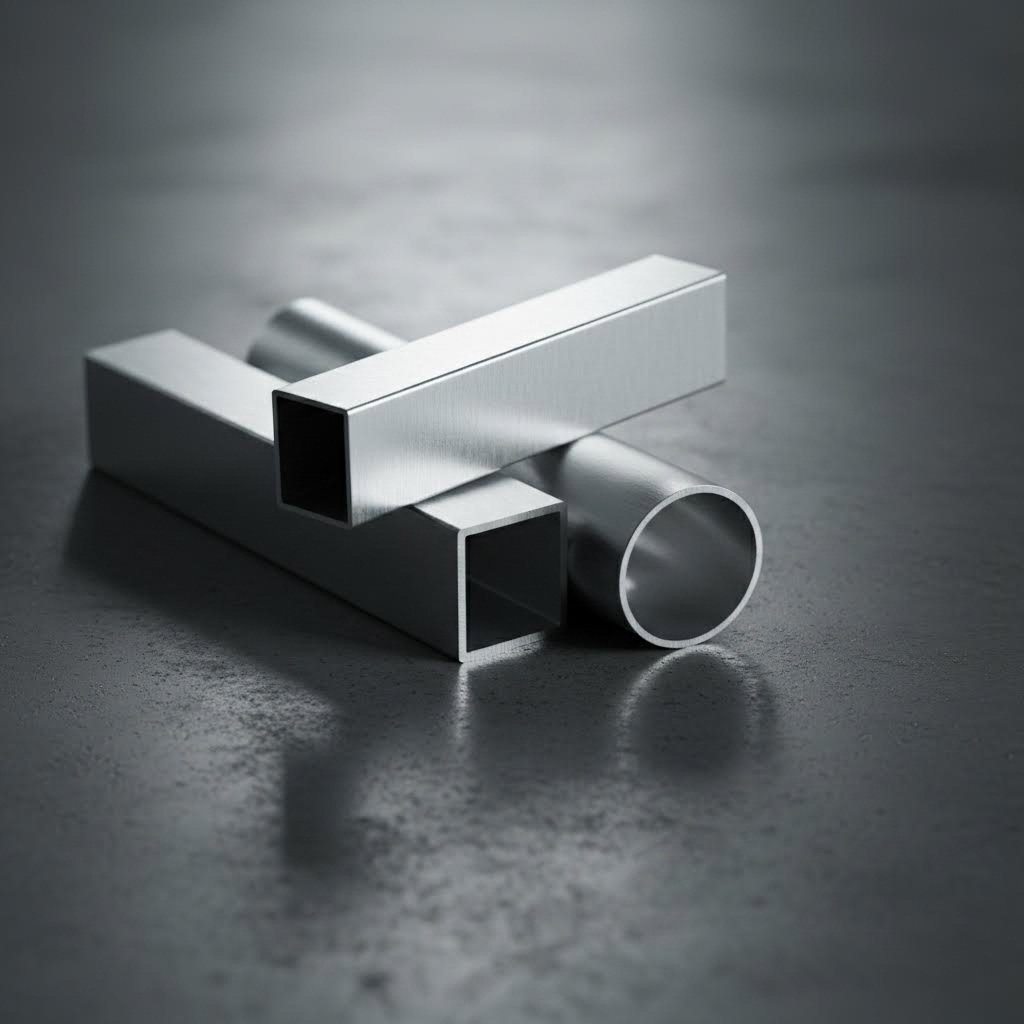
You've selected your alloy and understand dimensional specifications—but here's a question many engineers overlook: Is a rectangular profile actually the right shape for your project? Choosing between aluminum square tubing, rectangular profiles, and round alternatives impacts everything from structural performance to fabrication ease. Let's examine when each shape truly excels.
Rectangular aluminum tubing delivers specific advantages that neither square nor round profiles can match. The asymmetric cross-section creates higher bending resistance along the longer sides while maintaining a compact footprint—a combination that proves invaluable in certain applications.
Consider a trailer bed frame where vertical loads dominate. A 2" x 4" rectangular tube provides exceptional resistance to downward forces along its 4-inch dimension, yet slides neatly into low-clearance spaces where height matters. You couldn't achieve this same directional strength-to-space ratio with aluminum square tubes or round profiles.
Rectangular profiles excel when your project demands:
The trade-off? Rectangular tubing offers less resistance along its shorter dimension. That 2" x 4" tube handles vertical loads beautifully but resists horizontal forces like a 2" profile would. Understanding this directional characteristic prevents structural surprises during installation.
Each shape brings unique strengths to the table. Here's how to match your structural requirements to the optimal profile geometry.
Square Aluminum Tube Applications
Square aluminum tubing distributes loads evenly across all four walls, making it exceptionally strong under compression from any direction. According to industry testing, a 2-inch square tube with 0.125-inch wall thickness can support thousands of pounds of vertical load without deformation—and maintains this capability regardless of orientation.
Aluminum square tubes perform best in:
Round Aluminum Tubing Applications
Round profiles offer advantages that neither rectangular nor square aluminum tubing can replicate. The circular cross-section distributes stress evenly along the entire tube wall, creating superior resistance to torsional (twisting) forces.
Round tubing delivers the highest strength-to-weight ratio of all three shapes. A 2-inch round tube with identical wall thickness weighs approximately 20% less than a comparable square tube while maintaining impressive pressure containment and load-bearing capacity.
Choose round aluminum tubing for:
Practical Decision Factors
Beyond pure structural considerations, everyday fabrication realities influence shape selection:
The bottom line? No single shape works universally. Rectangular aluminum extrusion dominates when directional strength and space efficiency matter most. Square profiles handle multi-directional loads and simplify modular assembly. Round tubing wins for rotational applications, pressure containment, and weight-critical designs.
With shape selection clarified, understanding where these profiles perform across different industries helps you visualize real-world applications for your own projects.
Now that you understand profile shapes and their structural advantages, where exactly do these rectangular tubes perform in the real world? The applications span far more industries than most suppliers reveal. From gleaming curtain walls on commercial buildings to rugged dock structures battling saltwater corrosion, aluminum rectangle tubing proves its versatility daily across diverse sectors.
What makes this material so universally applicable? The answer lies in its unique combination of properties: lightweight construction, corrosion resistance, and structural strength that handles demanding conditions without the weight penalty of steel alternatives.
Walk through any modern commercial district, and you'll encounter aluminum rectangular extrusion everywhere—though you might not recognize it. Architects and builders rely heavily on rectangular tubing for applications demanding both performance and visual appeal.
Building Envelope Systems
Curtain wall frameworks represent one of the largest architectural applications for rectangular tubes. These non-structural facade systems require profiles that resist wind loads, support glazing panels, and maintain dimensional stability across temperature swings. The rectangular profile's flat surfaces create reliable sealing interfaces with glass and insulation panels, while the hollow core reduces dead load on building structures.
Structural Construction Uses
Beyond aesthetics, rectangular aluminum handles serious structural duties in construction projects where weight savings translate directly to cost savings.
For outdoor architectural applications, specify alloys with superior corrosion resistance—6063 performs exceptionally in most environments, while coastal installations may warrant additional protective finishes.
Industrial environments demand materials that withstand punishing conditions while maintaining precision. Aluminum rectangular pipe and tubing meets these challenges across manufacturing, energy, and marine sectors.
Industrial Manufacturing Applications
Factory floors worldwide rely on aluminum rectangle tube for equipment and infrastructure that must balance durability with mobility.
Marine Environment Applications
Saltwater environments destroy ordinary metals within seasons. Aluminum's natural oxide layer provides inherent protection that makes rectangular tubes ideal for waterfront and marine structures.
Marine applications demand attention to alloy selection—6061 and 6063 both perform well, but avoiding direct contact with dissimilar metals prevents galvanic corrosion that accelerates deterioration.
DIY and Hobbyist Projects
Beyond commercial applications, aluminum rectangle tubing has become a favorite among makers, fabricators, and weekend builders tackling projects from practical to artistic.
For DIY applications, rectangular tubing offers significant advantages over round alternatives: flat surfaces simplify drilling and joining without specialized fixtures, and the consistent profile creates professional-looking results even for first-time fabricators.
Whether your project lives indoors under climate control or faces harsh outdoor exposure, understanding these application categories helps match material specifications to real-world demands. The next consideration? Knowing how to actually work with the material once it arrives—cutting, welding, and finishing techniques that transform raw extrusions into finished projects.
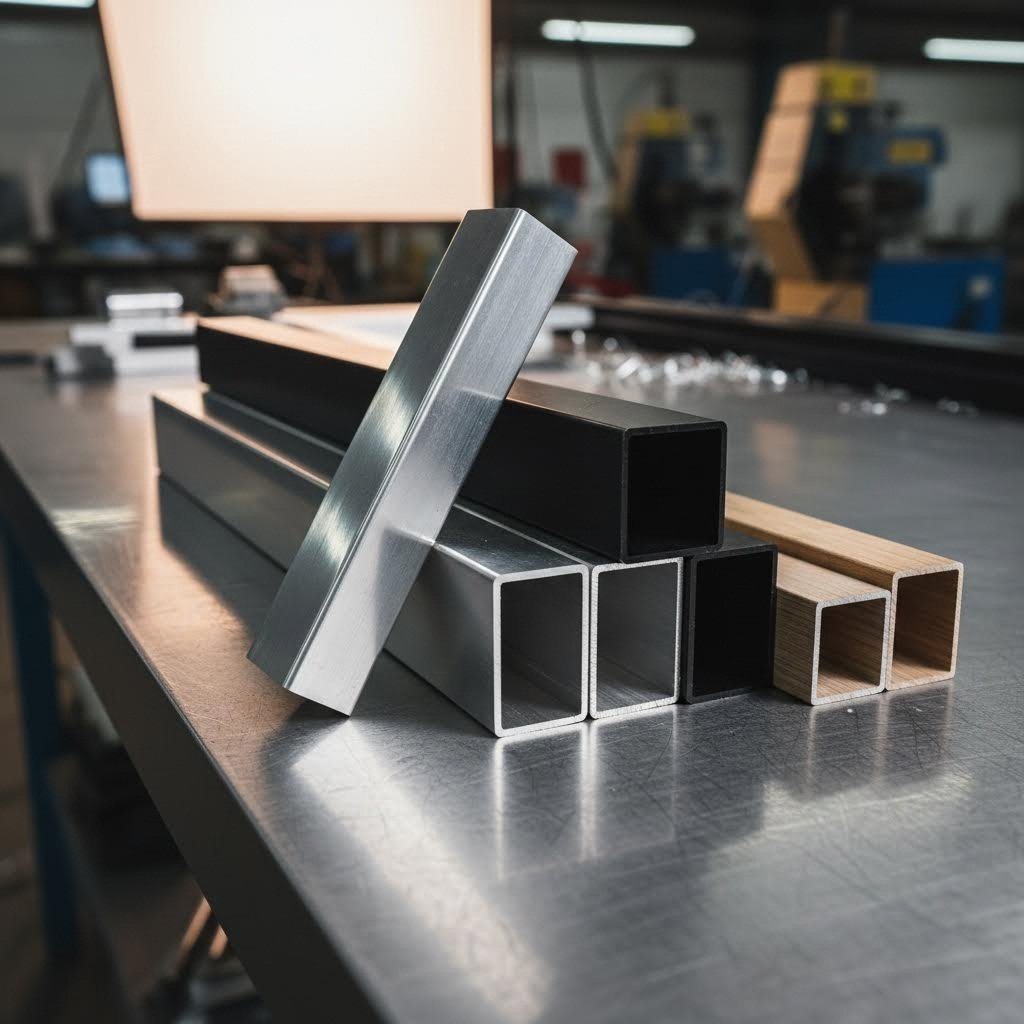
You've selected the perfect alloy, confirmed your dimensions, and chosen the right profile shape. Now comes the moment of truth: actually working with extruded aluminum tubing. This is where many projects go sideways—not because the material is difficult, but because fabricators apply steel-working techniques that simply don't translate to aluminum. Let's explore the welding, cutting, and finishing methods that deliver professional results.
Welding aluminum rectangular tube differs dramatically from welding steel. The material's high thermal conductivity, oxide layer, and sensitivity to heat-affected zone (HAZ) weakening demand specific techniques and filler materials.
Alloy-Specific Welding Requirements
Your alloy choice directly impacts welding success. Here's what each primary alloy demands:
Critical Welding Preparation Steps
Aluminum's natural oxide layer melts at approximately 3,700°F—far higher than the base metal's 1,200°F melting point. Without proper preparation, you'll create weak, porous welds contaminated by unmelted oxide inclusions.
Transforming aluminum box tubing into finished components requires cutting, drilling, and sometimes bending. Each operation has specific requirements that differ from steel fabrication.
Cutting Methods Compared
Drilling Considerations
Aluminum's softness causes problems with standard twist drills—chips clog flutes, and material galls onto cutting edges. Success requires:
Bending Limitations
Rectangular profiles present bending challenges that round tubing avoids. Corners concentrate stress, creating failure points if minimum bend radii are exceeded.
Surface Finishing Options
Raw extruded aluminum already presents an attractive appearance, but protective and decorative finishes extend service life and enhance aesthetics. Aluminum and aluminum alloys can be buffed, blasted, polished, ground, or sanded before applying protective coatings.
Common Fabrication Mistakes to Avoid
Mastering these fabrication fundamentals transforms raw aluminum rectangular tube into professional-quality finished components. But before you place orders for material, understanding pricing factors helps you optimize costs and avoid common purchasing mistakes.
You've mastered alloy selection, dimensional specifications, and fabrication techniques. Now comes the question that often catches buyers off guard: Why do aluminum rectangular extrusion prices vary so dramatically between suppliers and orders? The answer involves multiple interconnected factors that most suppliers never fully explain—until the invoice arrives.
Understanding these pricing dynamics puts you in control during negotiations and helps you structure orders that maximize value without sacrificing quality. Let's break down exactly what drives costs and how to optimize your purchasing strategy.
When you search for aluminium tubing for sale or aluminum tube for sale, the quoted prices reflect a complex calculation involving raw materials, processing, and market conditions. Here are the primary cost drivers ranked by their typical impact on your final invoice:
When you buy aluminum tubing, consider locking in material costs during favorable market conditions. Some suppliers offer programs where they purchase aluminum in advance at current rates, protecting you from future price spikes during ongoing production runs.
Choosing between standard catalog sizes and custom profiles dramatically affects both initial costs and long-term value. Standard profiles offer immediate advantages: lower prices (typically 30% to 50% less expensive than custom options), faster availability, and no tooling investment.
Custom profiles require new dies manufactured specifically for your design. Tooling costs vary based on complexity:
| Die Complexity | Typical Cost Range | Lead Time |
|---|---|---|
| Simple solid profiles | $500 - $1,500 | 2-3 weeks |
| Standard hollow dies | $1,250 - $2,000 | 3-4 weeks |
| Complex or multi-hollow dies | $3,000 - $5,000+ | 4-6 weeks |
| Large profiles (2,000-4,000 ton press) | Up to $2,000 | 3-4 weeks |
Here's what suppliers often don't mention: many manufacturers refund tool costs if you purchase a stipulated amount within 2 years. Additionally, most don't charge for replacement tooling after dies wear out—provided you continue ordering. This transforms the die investment from a sunk cost into a long-term partnership benefit.
Minimum Order Quantities and Cost Efficiency
Minimum order quantities (MOQs) exist for legitimate economic and technical reasons—not simply to extract larger orders from buyers. Understanding these factors helps you plan more effectively:
To optimize orders for cost efficiency, consider these strategies:
Lead Time Expectations
Planning your project timeline requires realistic lead time expectations that vary significantly between standard and custom orders:
| Order Type | Typical Lead Time | Key Variables |
|---|---|---|
| Standard profiles (in stock) | 7-14 days | Cutting, shipping distance |
| Standard profiles (production run) | 2-4 weeks | Production schedule, finishing |
| Custom profiles (new die) | 5-8 weeks total | Die fabrication + production + finishing |
| Custom with complex machining | 6-10 weeks | Secondary operations add time |
Die fabrication typically takes 2-4 weeks, with production following within a week of sample approval. Surface finishing and secondary operations can add additional days or weeks depending on complexity.
The bottom line? Standard aluminum tube stock ships fastest and costs least per unit. Custom profiles require upfront investment but can deliver superior long-term value through optimized designs that reduce waste, eliminate assembly steps, and improve end-product performance. Your project requirements—not just initial pricing—should drive this decision.
With cost factors now transparent, the final consideration becomes finding a supplier capable of delivering quality material on time and within budget. Not all extrusion suppliers offer the same capabilities, and knowing what questions to ask separates informed buyers from those who learn expensive lessons after orders ship.

You've calculated your material requirements, selected the optimal alloy, and budgeted for finishing treatments. Now comes the decision that can make or break your entire project: which aluminum tubing suppliers actually deliver on their promises? The difference between a capable extrusion partner and an unreliable vendor often becomes apparent only after problems emerge—delays, dimensional inconsistencies, or surface defects that force costly rework.
Whether you're searching for "aluminum tubing near me" or evaluating global aluminum tubing manufacturers, the evaluation process remains the same. Understanding what separates professional extrusion facilities from basic operations helps you ask the right questions before committing to orders.
The extrusion press defines what profiles a supplier can actually produce. Press tonnage directly determines the maximum profile size and complexity achievable—and a supplier with multiple press capacities can handle a wider range of projects while maintaining flexibility when production volumes change.
Here's how press capacity translates to capability:
When evaluating aluminium tube suppliers, look beyond simple press count. A manufacturer like Shengxin Aluminium—operating 35 extrusion presses ranging from 600T to 5500T—demonstrates the production flexibility that protects your supply chain. This range means everything from delicate architectural trim to substantial structural members can come from a single, proven source.
Alloy and Billet Management
Reliable suppliers work with multiple alloys (6063, 6061, 6082, 7075) and maintain controlled billet inventory. Check alloy sourcing and certification (EN10204 3.1/3.2) to verify material traceability. Poor billet preparation leads to surface defects, dimensional drift, and extrusion line marks that compromise your finished products.
Ask specifically about:
Die Design and Maintenance Capability
Many suppliers outsource die manufacturing to third parties, creating longer lead times and slower problem resolution when issues arise. If the die fails or produces inaccurate dimensions, delays ripple across the entire project.
Suppliers with in-house die workshops can modify or repair dies quickly, ensuring production continuity and consistent quality. Shengxin Aluminium's integrated die development capability exemplifies this advantage—from initial design through production tooling, everything remains under one roof for faster iterations and tighter quality control.
Secondary Processing Integration
A supplier with integrated CNC machining and surface finishing can deliver finished or semi-finished products directly to your assembly line. Integration reduces transportation between subcontractors, prevents damage, and shortens lead time.
Consider what happens when searching for "square aluminum tubing near me"—you might find local stock, but can that source also provide precision drilling, custom anodizing, and cut-to-length processing? Probably not. Vertically integrated manufacturers eliminate multi-vendor coordination headaches while ensuring batch consistency in both dimension and finish.
Shengxin Aluminium's CNC machining centers handle precision cutting and drilling operations, while their surface treatment options span anodizing (including custom colors like Champagne and Rose Gold), powder coating, PVDF, and micro-arc oxidation for superior durability. This end-to-end capability means your order arrives ready for assembly—not requiring additional processing stops.
Before committing to any supplier, verify their capabilities match your requirements. If the supplier can't produce the profiles your customers need, the rest is irrelevant.
Use this supplier evaluation checklist to qualify potential partners:
Quality Control Verification
A supplier's QC system reflects their ability to maintain repeatable quality across production runs. Ask whether the factory provides traceable lot data and QA certificates with each batch—this is essential for long-term industrial customers who must document material provenance.
Key certifications to verify include:
The Value of End-to-End Partnership
Strong technical communication differentiates professional suppliers from traders. A capable extrusion partner will provide DFM feedback on drawings, offer feasibility and cost optimization suggestions, and share inspection documentation before shipment. They prevent problems rather than reacting after defects occur.
With over 30 years of expertise, Shengxin Aluminium exemplifies this partnership approach—providing technical support from die development through mass production. Their custom extrusion services demonstrate how integrated manufacturing capabilities translate into faster delivery, consistent quality, and simplified supply chain management.
Evaluating aluminum extrusion supplier capability requires more than comparing quotes. By analyzing press equipment, process control, machining integration, and quality systems, you position yourself to choose suppliers that deliver consistent results, lower rework rates, and predictable lead times.
With supplier selection criteria now clear, the final step is synthesizing everything you've learned into actionable decisions for your specific project requirements.
You've traveled through the complete landscape of aluminum rectangular extrusion—from alloy chemistry and dimensional specifications to fabrication techniques and supplier evaluation. Now it's time to transform this knowledge into action. Whether you're sourcing rectangular aluminum tubing for architectural installations, industrial equipment, or custom fabrication, the decisions you make in the next steps determine project success.
The truth is, most purchasing mistakes happen not from lack of information but from overlooking how all these factors interconnect. Your alloy choice affects weldability. Your dimensional specifications impact load capacity. Your supplier selection determines whether tolerances actually hold across production runs. Let's synthesize everything into a framework that guides confident decision-making.
Before placing any order for aluminum tubing rectangular profiles, work through this comprehensive checklist. Each item represents a critical decision point that affects your final results:
Alloy and Temper Selection
Dimensional Specifications
Profile Shape Verification
Fabrication and Finishing Requirements
Supplier Qualification
Simple projects using standard aluminum rectangular tubes from local suppliers may require nothing more than confirming dimensions and placing an order. But what about complex requirements?
Consider these scenarios where partnering with an experienced manufacturer becomes essential:
For projects fitting these categories, partnering with an experienced manufacturer like Shengxin Aluminium—with over 30 years of expertise and comprehensive deep processing capabilities—ensures your specifications are met from die development through final delivery. Their 35 extrusion presses (600T to 5500T), integrated CNC machining centers, and extensive surface treatment options (including custom anodizing colors, powder coating, PVDF, and micro-arc oxidation) provide end-to-end support that simplifies complex projects.
Whether you're ready to request quotes or still refining specifications, you now possess the knowledge that separates informed buyers from those who learn expensive lessons after orders ship. The aluminum rectangular extrusion industry rewards preparation—use these insights to make decisions that deliver lasting value for your projects.
6061 aluminum contains more copper and magnesium, making it approximately 29% stronger than 6063—ideal for structural, automotive, and load-bearing applications. 6063 offers superior surface finish and extrudability, making it the preferred choice for architectural projects, window frames, and decorative installations where appearance matters. For welding, 6063 is more forgiving with less strength reduction in the heat-affected zone, while 6061 often requires post-weld heat treatment to recover full strength.
Aluminum rectangular tubing follows a Width x Height x Wall Thickness format using outside dimensions. Common sizes range from 1" x 0.5" for light framing up to 6" x 2" for large structural applications. Wall thicknesses typically span from 0.062" (1/16") to 0.250" (1/4"). Stock lengths are usually 21 feet, with custom cutting available. Manufacturers like Shengxin Aluminium can produce custom profiles when standard catalog sizes don't meet specific project requirements.
Rectangular tubing specs list Width x Height x Wall Thickness, always using outside dimensions. For example, "2 x 1 x 0.125" means 2 inches wide, 1 inch tall, with 0.125-inch (1/8") thick walls. To calculate internal cavity size, subtract wall thickness from both sides—this example would have a 1.75" x 0.75" internal opening. Understanding this format is essential for ordering correctly and ensuring components fit inside the tube cavity.
6063 aluminum offers excellent corrosion resistance for most outdoor applications, including architectural installations and marine-adjacent structures. Its purer composition with lower copper content provides better natural oxide protection. For coastal or harsh marine environments, additional protective finishes like anodizing or powder coating are recommended. 6061 performs well outdoors too but contains slightly more copper, which can marginally reduce corrosion resistance in aggressive environments.
Standard aluminum rectangular tubing typically costs 30% to 50% less than custom profiles due to eliminated tooling investment and immediate availability. Custom dies range from $500-$1,500 for simple profiles up to $3,000-$5,000+ for complex hollow designs. However, many manufacturers refund tooling costs if you purchase a stipulated amount within 2 years. For high-volume projects, custom profiles can deliver better long-term value through optimized designs that reduce waste and eliminate assembly steps.



 Інтернет-сервіс
 0086 136 3563 2360
 sales@sxalu.com
 +86 136 3563 2360
 Українська
 English
 français
 Deutsch
 русский
 español
 português
 العربية
 ไทย
 Việt