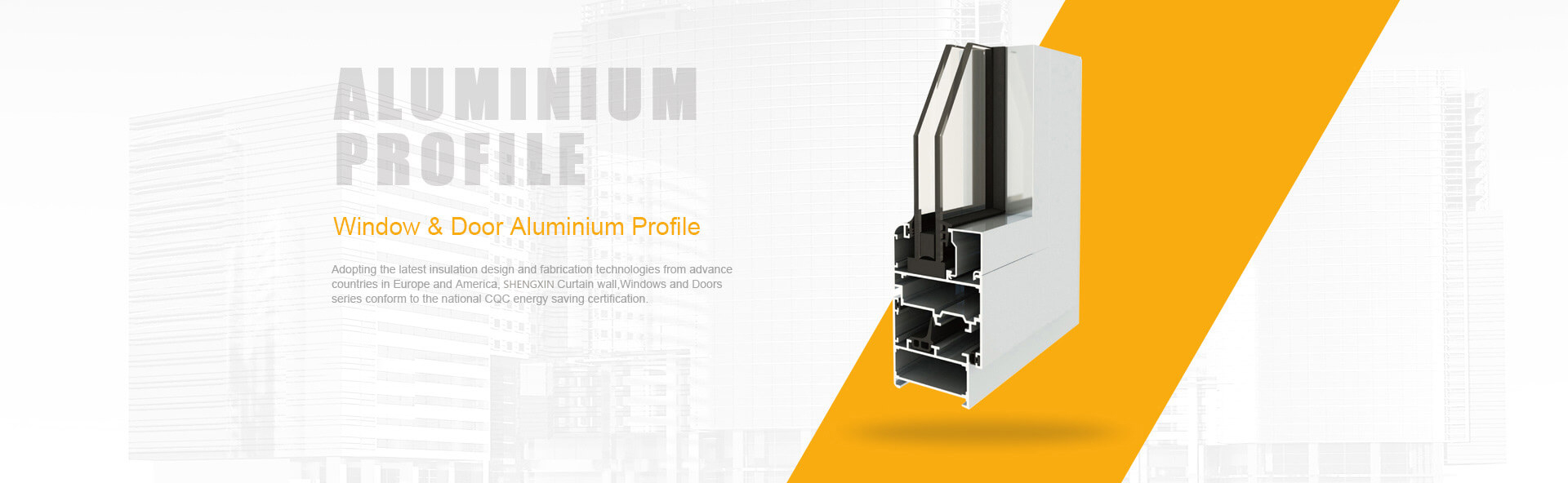
When you're standing on a rooftop planning an installation or reviewing specs for a utility-scale project, the metal framework holding everything together matters more than most people realize. Aluminum extrusions form the structural backbone of virtually every modern solar panel system, from the frames securing individual modules to the mounting rails anchoring entire arrays. But what exactly makes this material so essential to your projects?
A solar panel aluminium frame is precisely what it sounds like: a frame made of aluminum that seals and secures all components of a solar panel, including the cells and protective glass. According to PV Know How, these frames serve as the main structural element of PV solar panels, providing critical support throughout their 25+ year service life.
Imagine carrying steel rails up a ladder for a residential install. Now picture handling aluminum profiles that weigh roughly one-third as much while delivering comparable structural performance. That weight difference translates directly into faster installations, reduced labor costs, and fewer safety concerns for your crew.
The properties that make aluminum extruded profiles ideal for solar applications include:
These characteristics explain why the solar industry has standardized around aluminum rather than alternatives like steel or composite materials.
So what are aluminum extrusions used for, and how are they made? The process begins with heating an aluminum billet to approximately 900°F before forcing it through a precision-machined steel die. As Wiley Metal explains, this continuous process can produce hundreds or even thousands of feet of material with uniform cross-sections, making it ideal for the consistent profiles solar installations demand.
The 6000-series aluminum alloys, particularly 6063 and 6005, dominate solar applications for good reason. These alloys contain small amounts of silicon, magnesium, and other elements that enhance mechanical properties while maintaining excellent workability. The result is material with high tensile strength, yield strength, and metal fatigue resistance, all essential qualities when your mounting system needs to withstand decades of wind loads, thermal cycling, and environmental exposure.
For installers and engineers, understanding this process helps explain why custom profiles are possible but require planning. Die production takes time, but once created, extrusion can deliver specialized shapes incorporating features like integrated bolt channels, drainage slopes, or specific aesthetic profiles that simplify your field work.
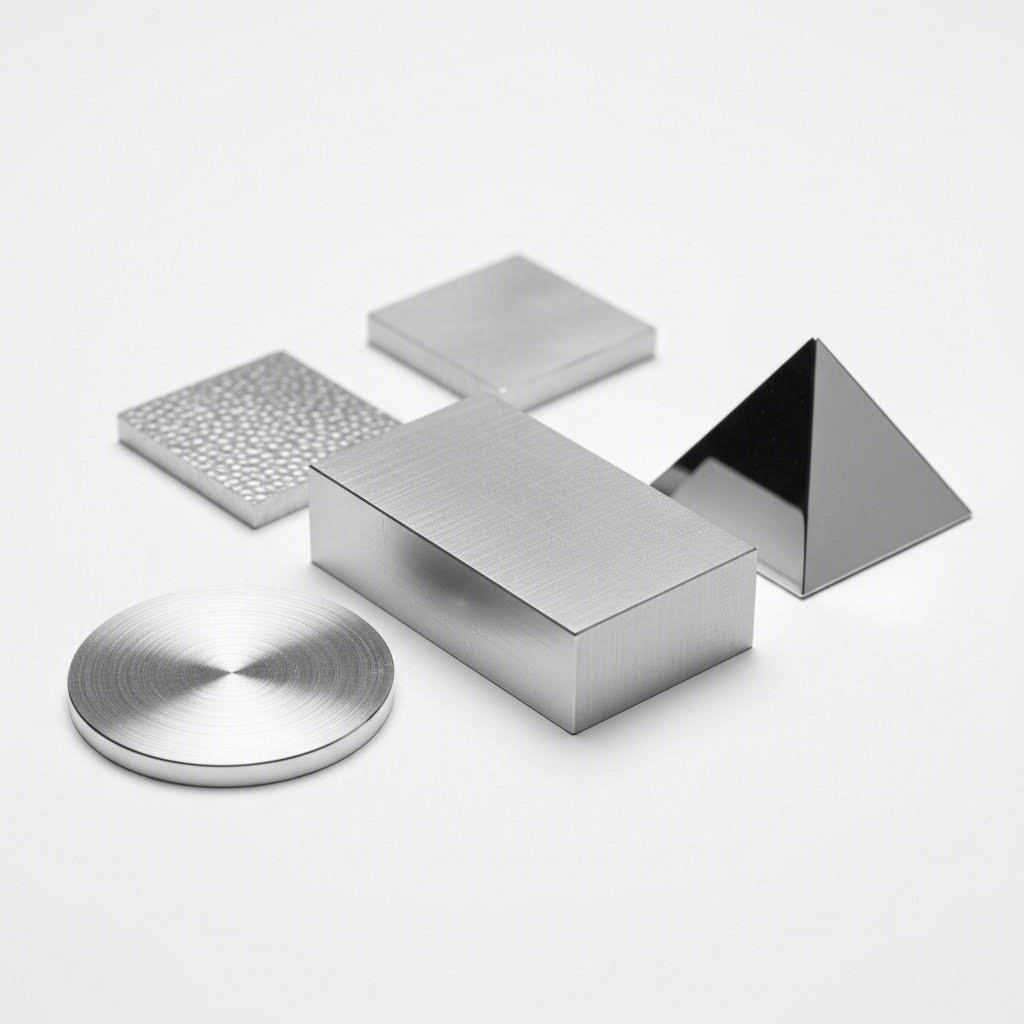
Now that you understand how aluminum extrusions are manufactured, the next critical decision involves selecting the right alloy for your specific solar module frame requirements. This choice directly impacts structural performance, installation efficiency, and long-term durability. Not all aluminum is created equal, and understanding the differences between common alloys can save you from costly mistakes or overengineered solutions.
The solar panel frame material you specify determines everything from load capacity to how easily your crew can work with the components in the field. Three alloys dominate the industry: 6061, 6063, and 6005. Each brings distinct advantages depending on your project's structural demands, environmental conditions, and budget constraints.
When reviewing specifications for extruded aluminum panels and mounting systems, you'll encounter 6061 and 6063 designations repeatedly. Understanding their differences helps you match material properties to application requirements.
According to Wellste's comprehensive comparison, 6061 aluminum contains approximately 30-50% more magnesium and silicon than 6063. This higher alloy content translates to superior mechanical strength but influences other characteristics you need to consider.
6061 aluminum alloy excels in applications requiring robust structural performance. Its higher tensile strength (approximately 310 MPa in T6 temper) and yield strength (about 276 MPa in T6 temper) make it ideal for primary load-bearing components. If your project involves heavy-duty ground-mounted systems, solar tracking structures, or long-span carport installations where wind and snow loads are critical concerns, 6061 delivers the mechanical performance you need.
6063 aluminum alloy offers excellent formability and superior surface finish characteristics. With a tensile strength of around 241 MPa and yield strength of approximately 214 MPa in T6 temper, it's slightly softer than 6061. However, this makes it easier to extrude into complex shapes and provides better results during anodizing. For roof-mounted solar racking, clamps, connectors, and applications where aesthetics matter, 6063 is often the smarter choice.
Here's a practical decision framework:
Ever wondered what the T5 or T6 suffix means on your material specifications? These temper designations indicate the heat treatment process applied to the aluminum, directly affecting its mechanical properties.
As explained by Solaracks, aluminum tempers use a letter by numeric digits. The T designation indicates heat-treatable alloys, and the numbers specify the exact treatment sequence.
T5 temper means the aluminum was cooled from an elevated temperature shaping process and then artificially aged. This treatment provides moderate strength improvements suitable for many standard mounting applications.
T6 temper indicates solution heat-treated and artificially aged material, delivering maximum strength for that alloy. According to SoEasy PV, T6 temper is commonly specified for primary structural members where high strength is critical to withstand wind and snow loads.
| Property | 6061-T6 | 6063-T6 | 6005-T5/T6 |
|---|---|---|---|
| Tensile Strength | ~310 MPa | ~241 MPa | Higher than 6063 |
| Yield Strength | ~276 MPa | ~214 MPa | Between 6061 and 6063 |
| Brinell Hardness | 95 | 73 | Moderate-high |
| Thermal Conductivity | 170 W/m-K | 200 W/m-K | Good |
| Extrudability | Good | Excellent | Very good |
| Weldability | Good | Better | Good |
| Corrosion Resistance | Excellent | Very good | Good |
| Anodizing Quality | Good | Superior | Good |
| Best Applications | Tracking systems, heavy-duty ground mounts, long-span carports | Roof mounts, clamps, connectors, aesthetic installations | Primary structural members, ground-mounted systems |
| Relative Cost | Higher | Lower | Moderate |
For utility-scale solar farms, 6005-T6 often provides the optimal balance of strength and cost for main structural components. Commercial and industrial roof installations typically benefit from combining 6005-T6 for primary supports with 6063-T6 for rails and fittings. Residential projects frequently specify 6063-T6 throughout, prioritizing corrosion resistance, aesthetics, and workability over maximum mechanical strength.
With your alloy and temper selected, the next consideration is profile geometry. Different mounting scenarios require specific cross-sectional shapes to achieve proper load distribution, assembly efficiency, and compatibility with your chosen installation method.
You've selected your alloy and temper designation. Now comes the question that determines how your entire system goes together: what profile shape do you actually need? The cross-sectional geometry of aluminum extrusions for panels directly influences load capacity, assembly methods, and compatibility with specific mounting hardware. Getting this right means faster installations and systems that perform as designed for decades.
Think of aluminum panel extrusions as the vocabulary of solar mounting. Just as different words serve different purposes, each profile type addresses specific structural and functional requirements. Understanding these options helps you specify the right components for ground-mount arrays, rooftop systems, carports, or tracking installations.
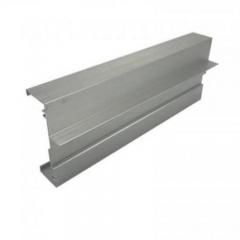
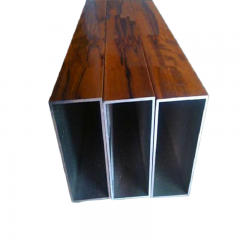
C-channel profiles form the structural backbone of most ground-mounted solar installations. Their open-sided design creates a channel that accepts bolts, clamps, and mounting hardware while providing excellent resistance to bending loads. When you're spanning between driven piles or concrete footings, these solar panel aluminum rails deliver the stiffness and strength your engineering calculations demand.
Ground-mount systems typically require aluminum extrusions with specific characteristics:
For utility-scale ground-mount projects, according to Hydro's technical documentation, aluminum's consistent tolerances enable fast alignment and fewer adjustments during installation. This precision matters when you're installing thousands of modules and every minute of labor time affects project economics.
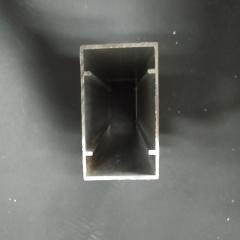
Carport installations present unique challenges. The overhead mounting position means your profile selection must account for longer unsupported spans, integrated lighting or electrical conduit pathways, and aesthetic considerations visible to building occupants. Deeper C-channels or box profiles often replace standard rails in these applications, providing the additional moment of inertia needed for longer spans without excessive deflection.
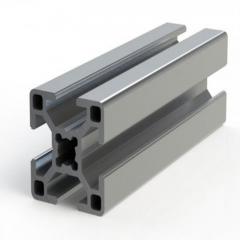
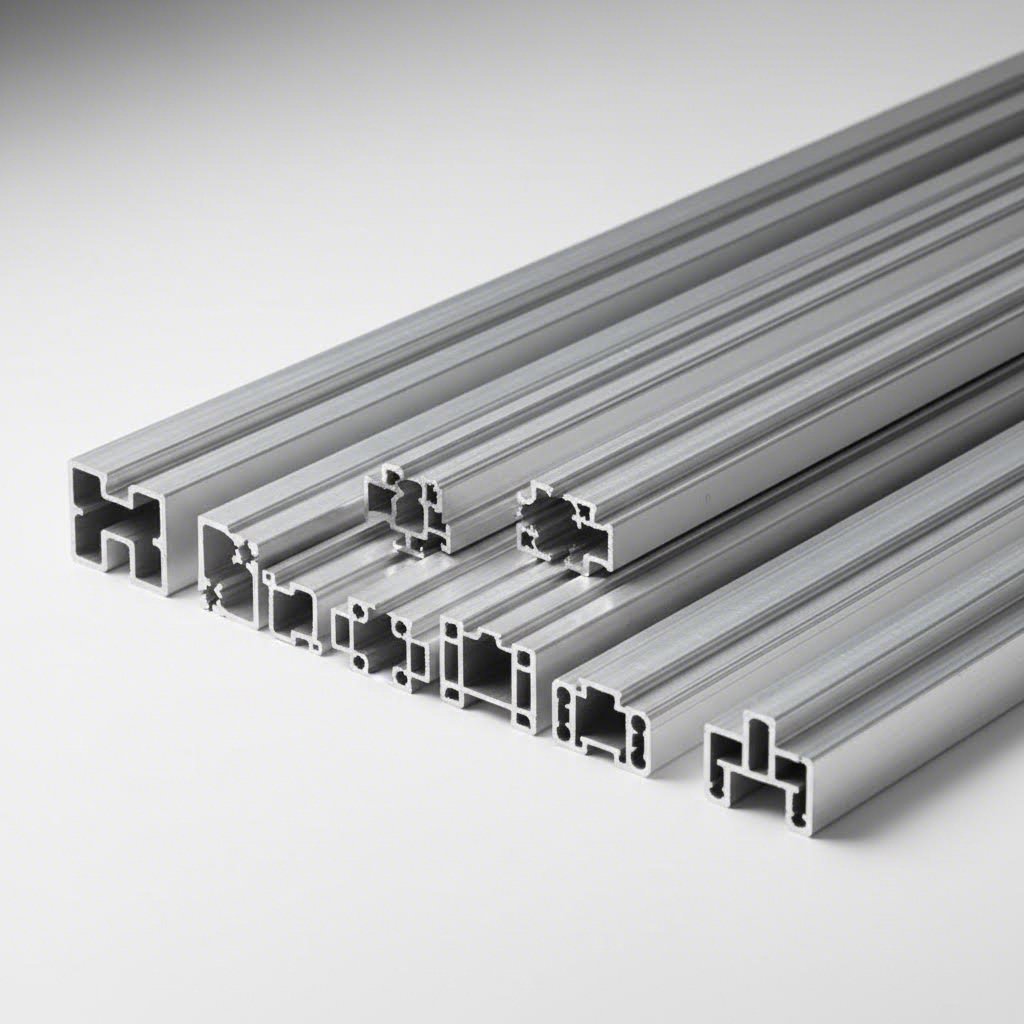
Ever assembled furniture with those convenient channels that let you slide bolts anywhere along the length? T-slot extrusions work on the same principle, but engineered for industrial loads and outdoor durability. As noted by Star Extruded Shapes, the T-slot extrusion remains popular for many solar applications because the T-shaped slot makes it easy to slide pieces together and then allows for micro-adjustments during alignment.
Here's how T-slot systems work in practice: special T-nuts or hammer-head bolts slide into the channel from either end. You position them anywhere along the profile length, insert your panel clamp or bracket, and tighten. Need to adjust spacing by half an inch? Loosen the bolt, slide, and retighten. This infinite adjustability proves invaluable when dealing with roof penetration locations, uneven surfaces, or evolving module sizes.
The versatility of T-slot profiles extends across multiple installation types:
Simple T-track configurations offer a single channel for flat installations where adjustment is needed along one axis. More complex multi-sided T-slot profiles, sometimes called fractional or metric extrusions, provide connection points on two, three, or all four sides. These allow modular frame assembly and connection, creating three-dimensional structures from standard components.
Different mounting scenarios demand different profile solutions. Understanding these requirements helps you avoid overengineering simple residential projects or underspecifying demanding commercial installations.
Rooftop systems (flat commercial roofs) typically use ballasted or mechanically attached rail systems. Profile requirements include:
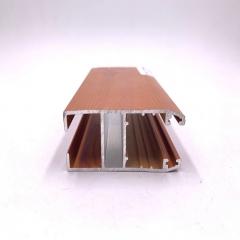
Pitched residential roofs require profiles optimized for rail-based mounting. According to Bristar Solar's specifications, Al6005-T5 high-class anodized aluminum channel rails enable simple, fast, and cost-effective installation. Key profile features include:
Solar tracking systems present the most demanding profile requirements. Components must withstand daily mechanical cycling, motor loads, and wind forces that change constantly as panels follow the sun. Torque tubes, actuator mounts, and bearing housings often require custom profiles engineered for specific tracker designs.
Custom extrusion profiles solve problems that standard shapes cannot address. Need a mounting rail with integrated wire management channels? A structural member with specific fastener pockets positioned exactly where your design requires? Custom dies enable these solutions, though lead times and minimum order quantities require advance planning.
Understanding profile options is essential, but selecting the right shape means nothing if your structural design doesn't account for real-world loads. Wind gusts, snow accumulation, and seismic forces all influence which profiles and wall thicknesses your project actually requires.
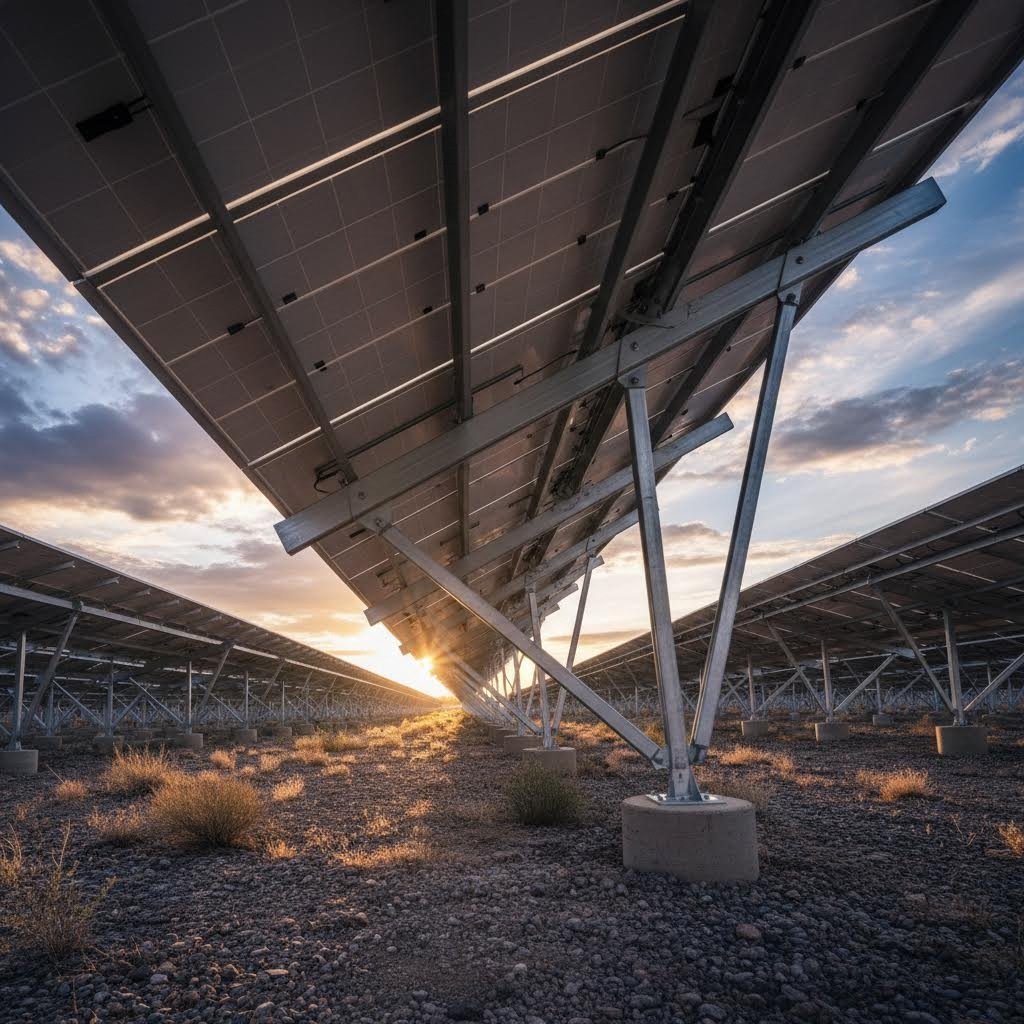
You've chosen the right alloy, selected appropriate temper designations, and identified which profile shapes suit your mounting scenario. But here's where projects succeed or fail: does your aluminum frame for solar panel installations actually withstand the forces nature throws at it? Wind gusts don't care about your material specifications if your structural calculations fall short.
According to Anern's technical guidance, the unseen foundation—the PV racking—is what ensures the system survives environmental stresses. Wind and snow exert immense forces that can lead to catastrophic failures if not properly accounted for. Understanding these loads and how your aluminum solar panel frame responds to them separates installations that last 25+ years from those requiring costly repairs within the warranty period.
Imagine wind flowing over your tilted solar array like water around a rock in a stream. It doesn't just push—it creates complex pressure patterns that try to lift, twist, and shake your mounting system. The airfoil-like shape of angled panels generates significant aerodynamic uplift, actively attempting to pull the array from its mounting points.
Wind load calculations follow standards like ASCE 7 (American Society of Civil Engineers), which engineers use to convert wind speed into pressure measured in pounds per square foot (psf). Several site-specific factors determine total wind force:
Snow load presents a different challenge. While primarily a static downward force, snow behavior proves more complex than simple accumulation. Drifting against panel edges, uneven sliding, and ice formation create unbalanced loads that stress your aluminium frame solar panel components in unexpected ways.
The design process starts with ground snow load values from local building authorities, then adjusts for roof slope, thermal properties, and exposure. Critically, tilted solar panels alter snow accumulation patterns. Panels at angles greater than 30 degrees typically allow snow to slide off, but this shedding often occurs unevenly. When half your array suddenly sheds its snow load while the other half remains buried, torsional stress concentrates on mounting rails and connection points.
As MJ Aluminum Profile notes, aluminum rails for solar panels are designed to support panel weight plus wind and snow loads, often exceeding 50 lbs per square foot in demanding locations.
How far can your mounting rails span between attachment points before bending becomes a problem? This question drives much of the structural engineering behind solar racking systems. Get span distances wrong, and you'll see sagging rails, stressed connections, and potential system failure.
The key formula for bending stress is:
σ = M / Z
Where σ represents bending stress, M is the bending moment (force times distance), and Z is the section modulus of your extrusion profile. Different cross-sectional shapes yield different section modulus values—this explains why profile geometry matters as much as alloy selection.
Deflection calculations determine how much your rails flex under load:
δ = (P × L³) / (48 × E × I)
Here, δ is deflection, P is applied load, L is span length, E is modulus of elasticity (about 10,000 ksi for 6000-series aluminum), and I is the moment of inertia. Notice that span length is cubed—doubling your span increases deflection eightfold, not twofold.
Several factors influence appropriate extrusion thickness and profile selection:
Different mounting scenarios face different load combinations. The following table provides a decision-making framework for matching structural requirements to project conditions:
| Installation Type | Primary Load Concerns | Typical Span Requirements | Profile Recommendations | Critical Design Factors |
|---|---|---|---|---|
| Residential Pitched Roof | Wind uplift, attachment to rafters | 24-48 inches between roof attachments | Standard C-channel rails, 6063-T6 | Rafter location, waterproofing at penetrations |
| Commercial Flat Roof | Wind, snow accumulation, ballast requirements | Varies with ballast tray spacing | Low-profile rails, wider base for ballast | Roof structural capacity, drainage patterns |
| Ground-Mount Fixed Tilt | Wind (all directions), snow drifting | 8-15 feet between foundation points | Heavy C-channels or I-beams, 6005-T5 or 6061-T6 | Soil conditions, frost depth, table height |
| Carport | Long spans, combined dead/live/wind loads | 15-30+ feet clear span typical | Deep box sections, custom structural profiles | Overhead clearance, column placement, aesthetics |
| Single-Axis Tracker | Dynamic wind loading, mechanical cycling | Per tracker manufacturer specifications | Torque tubes, specialized bearing mounts | Motor loads, stow position requirements |
Your project location dictates minimum structural requirements. Consider these environmental decision points:
High-wind zones (coastal, hurricane-prone): Specify thicker wall sections, closer attachment spacing, and ensure edge zone components meet elevated pressure requirements. Wind tunnel-tested racking systems provide validated load tables that simplify engineering approval.
Heavy snow regions: Design for ground snow loads per local code, but also account for unbalanced conditions when panels partially shed. Arrays tilted below 30 degrees may require full snow load design since accumulation won't clear naturally.
Seismic zones: Dynamic loading from earthquakes adds lateral force requirements. Connection details and base attachments need specific attention to prevent progressive failure during ground motion events.
Combined exposure sites: Mountain installations often face both heavy snow and high winds. These locations require the most robust structural designs, potentially driving alloy selection toward 6061-T6 and mandating detailed engineering analysis.
According to Exactus Energy, a structural engineer takes a close, professional look at your mounting location, performs the complicated math, and determines if standard specifications suffice or if reinforcement is needed. They also verify that the setup follows local building codes to ensure everything is safe, legal, and passes inspection.
Getting structural calculations right protects your investment and your warranty. But structural integrity is only half the durability equation. Environmental protection through proper surface treatments determines whether your carefully engineered aluminum components maintain their performance throughout their service life.
Your structural engineering is perfect. Your alloy selection matches project demands. But here's the reality: without proper surface treatment, even the best solar panel frames aluminum can show visible pitting within weeks in aggressive environments. According to Linetec's coastal finishing guide, exposed unfinished aluminum reacts strongly with chloride ions, and prolonged exposure can compromise structural integrity entirely.
Surface treatments transform raw aluminum extrusion panels from vulnerable metal into durable, weather-resistant components built to outlast your project's warranty. Understanding your options helps you specify the right protection for your specific installation environment.
Anodizing doesn't just coat aluminum—it actually transforms the surface into something harder and more resistant than the base metal. The electrochemical process thickens the natural oxide layer from mere nanometers to 5-25 microns, creating an integral barrier that won't chip, peel, or delaminate like applied coatings can.
According to PV Know How, high-quality solar panels often feature anodized aluminum solar frame construction, offering improved heat reflection, easy maintenance, and superior scratch resistance compared to powder-coated alternatives.
Anodizing comes in different classes based on coating thickness:
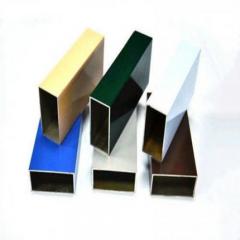
Color options extend beyond natural silver-gray. Bronze, black, and champagne tones integrate aluminum mounting systems with building aesthetics. Clear anodizing preserves aluminum's metallic appearance while adding protection. Black anodized frames reduce visual contrast against dark-colored panels, creating cleaner rooftop installations that building owners appreciate.
The beauty of anodizing? It's an integral part of the aluminum substrate itself. You can scratch an anodized aluminum solar frame, and while you'll see the mark, you won't expose bare metal prone to corrosion like you would with applied coatings.
When you need unlimited color options or additional protection layers, powder coating and PVDF (polyvinylidene fluoride) coatings enter the picture. These applied finishes serve different needs than anodizing and excel in specific conditions.
Powder coating applies a dry polymer powder electrostatically, then heat-cures it into a durable finish. According to Sino Extrud's durability analysis, powder coating advantages include excellent color variety, UV protection, and durability dependent on coating thickness and pretreatment quality.
Powder coated solar mounting systems come in virtually any color—black finishes dominate for aesthetic reasons, but custom colors match corporate branding or architectural requirements. The polymer layer adds thickness (typically 60-120 microns) that helps mask minor surface imperfections in the base aluminum.
However, as noted by PV Know How, powder-coated frames are more prone to scratches than anodized alternatives. Field handling during installation can damage the coating, potentially exposing aluminum to environmental attack.
PVDF coatings (70% fluoropolymer resin-based) represent the premium choice for extreme exposure. These high-performance architectural coatings meet AAMA 2605 specifications, requiring over 4,000 hours of accelerated salt spray testing—far exceeding standard powder coating requirements.
PVDF offers:
Micro-arc oxidation (MAO) represents an emerging technology creating ceramic-like oxide layers through plasma discharge. This process produces extremely hard, wear-resistant surfaces with excellent thermal stability. While currently less common in solar applications, MAO shows promise for components facing severe abrasion or thermal cycling.
Different climates attack aluminum through different mechanisms. According to Sino Extrud's environmental analysis, climate conditions such as humidity, temperature, pollution, and salt exposure directly influence how long aluminum extrusions last.
Coastal and salt air environments:
Extreme heat environments:
Freeze-thaw cycling regions:
Urban and industrial zones:
Even the best surface treatments require basic maintenance. As Linetec advises, properly finished aluminum only requires a rinse with clean water or mild soap solution—but this simple care matters. Avoid strong alkaline or acidic cleaners that damage protective finishes and expose underlying metal to environmental attack.
Surface treatment selection represents one variable in your material decision. But aluminum isn't your only structural option. Understanding how it compares to steel across weight, corrosion, and lifecycle costs helps you make the right choice for your specific project requirements.
You've specified your alloy, selected surface treatments, and understand structural requirements. But here's a question that keeps coming up in project planning meetings: should you even use aluminum at all? Steel costs less upfront and offers superior raw strength. So when does lightweight solar mounting materials like aluminum make financial sense, and when might steel be the smarter choice?
According to BTC Solar's material comparison, understanding these basic differences is the first step toward selecting the right solar mounting system material for your project. Let's break down this aluminum vs steel solar mounting decision with the practical details you actually need.
Imagine your crew arriving at a residential rooftop installation. With aluminum rails, two installers easily hand materials up a ladder. With steel? You're looking at hoisting equipment, additional crew members, and significantly slower progress. This weight difference isn't trivial—it directly impacts your project timeline and labor budget.
Aluminum weighs approximately one-third as much as steel at equivalent volumes. As noted by Alliance Steel, aluminum's lightweight nature is advantageous for various solar applications, particularly rooftop installations or portable solar panels, where weight considerations are crucial.
The installation implications cascade through your entire project:
For rooftop applications especially, this weight advantage proves decisive. According to BTC Solar, aluminum makes for a more streamlined, efficient, and often quicker installation process. The ease of handling also makes it suitable for rooftop solar panels, where working at height presents additional challenges.
Steel installation, on the other hand, may require heavier equipment and specialized tools. The installation process typically proves more time-consuming, directly increasing labor costs that can offset initial material savings.
Here's where the solar panel frame comparison gets interesting. Steel's Achilles heel is rust—that familiar reddish-brown deterioration that starts invisible and ends catastrophic. Aluminum, by contrast, forms a self-healing oxide layer that actually protects rather than destroys.
As BTC Solar explains, aluminum's most significant benefit is its superior corrosion resistance, particularly important in areas with high humidity, salt air, or other harsh weather conditions. This characteristic extends the life of the mounting structure, reducing the need for maintenance and replacement.
Steel requires protective treatments to match aluminum's inherent durability:
Environmental factors dramatically influence this comparison. According to Xiamen Top Energy, even though corrosion-resistant coatings are used, carbon steel can still be susceptible to rusting in coastal or high-humidity environments, requiring more maintenance. Areas near the coast experience high levels of salt exposure that accelerate steel corrosion regardless of protective treatments.
For corrosion resistant solar frames in demanding environments, aluminum provides inherent protection that doesn't depend on coating integrity. One scratch on galvanized steel starts a rust spot; the same scratch on anodized aluminum simply exposes more aluminum that immediately forms its own protective oxide.
Making the right choice requires weighing multiple factors simultaneously. This comprehensive comparison covers what matters for both residential and commercial/utility-scale considerations:
| Factor | Aluminum | Steel (Hot-Rolled/Galvanized) | Winner By Application |
|---|---|---|---|
| Weight (relative) | 1x (baseline) | ~3x heavier | Aluminum for rooftop; less critical for ground-mount |
| Tensile Strength | Good (adequate for solar loads) | Superior (higher load capacity) | Steel for extreme spans/loads |
| Corrosion Resistance | Excellent (inherent) | Requires treatment (galvanizing/coating) | Aluminum, especially coastal/humid |
| Upfront Material Cost | Higher | Lower | Steel for budget-constrained projects |
| Installation Labor Cost | Lower (lighter, faster) | Higher (heavier, slower) | Aluminum for most applications |
| Maintenance Requirements | Minimal | Regular inspection, coating repairs | Aluminum for reduced O&M costs |
| Expected Lifespan | 25-40+ years | 20-30 years (coating dependent) | Aluminum for longevity |
| Lifecycle Cost | Often lower despite higher upfront | Can be higher due to maintenance | Project-specific analysis required |
| Recyclability | 100% recyclable, retains properties | Recyclable but energy-intensive | Aluminum for sustainability goals |
| Thermal Expansion | Higher coefficient | Lower coefficient | Steel for extreme temperature swings |
The right choice depends on your specific project parameters. According to Alliance Steel's analysis, while hot rolled steel may offer lower initial material costs, aluminum provides advantages that can lead to reduced maintenance costs and improved performance over time.
Choose aluminum when:
Consider steel when:
As Xiamen Top Energy notes, for ground-mounted solar panels and large-scale solar power plants, steel can be advantageous due to its superior strength and load-bearing capacity. Steel can withstand the significant weight of numerous solar panels and withstand extreme wind and snow loads common in many regions.
Project developers need more than material properties—they need financial justification. Here's a practical framework for evaluating your options:
Step 1: Calculate total material costs
Compare aluminum and steel pricing for equivalent structural performance, not equivalent weight. A lighter aluminum section may cost more per pound but require fewer pounds.
Step 2: Factor installation labor differences
Estimate crew hours for each material. Aluminum's lighter weight typically reduces installation time by 15-25% on rooftop projects.
Step 3: Add maintenance projections
Steel requires periodic inspection and potential coating repair. Budget 1-2% of structure cost annually for steel maintenance versus near-zero for aluminum.
Step 4: Consider replacement timing
If steel components need replacement at year 20 while aluminum lasts 30+, factor replacement costs into your analysis.
Step 5: Include end-of-life value
Aluminum scrap commands higher prices than steel, providing recovery value at decommissioning.
The best approach, as BTC Solar recommends, is conducting a thorough cost analysis that considers initial material cost, installation costs, maintenance, and the expected lifespan of the mounting structure. Only then can you determine true project economics.
With your material decision made, the next challenge is ensuring proper installation. Even the best aluminum extrusions fail when installation practices introduce problems like galvanic corrosion or inadequate thermal expansion allowances.
You've made smart material choices. Your structural calculations check out. Now comes the moment of truth: putting everything together in the field. Even premium aluminum extrusions fail when installation practices introduce problems that compromise long-term performance. A single wrong fastener or overlooked expansion joint can void warranties and create callbacks that destroy project profitability.
According to BTC Solar's installation guide, a high-quality mount system is only effective if it's installed correctly. Following best practices during the installation phase is essential to guarantee the safety, performance, and longevity of the solar energy system.
Before your crew touches a single rail, proper preparation prevents costly field problems. Think of this phase as your insurance policy against installation delays and warranty issues.
This preparation phase typically requires 30-60 minutes on residential projects and several hours on commercial installations. That time investment prevents multi-day delays from discovering problems mid-installation.
Experienced installers learn from mistakes. Smart installers learn from other people's mistakes. Here are the issues that cause the most callbacks and warranty claims—and how to prevent them.
Mixing metals without proper isolation is perhaps the most common—and most damaging—installation error. According to Greentech Renewables, galvanic corrosion is an electro-chemical process in which one metal type corrodes to another, occasionally causing structural failures in racking components.
The mechanism is straightforward: when dissimilar metals contact each other in the presence of moisture, an electrical current flows between them. The more "active" metal sacrifices electrons to the more "noble" metal and corrodes away. Aluminum alloys sit in the middle of the galvanic series—more active than stainless steel and brass, but more noble than zinc and plain steel.
Critical galvanic corrosion prevention solar practices include:
As the Greentech Renewables guide notes, the risk of corrosion is also a factor of the environment—humidity provides the electrolyte that enables galvanic corrosion, and atmospheric contaminants like chlorides in marine environments catalyze the chemical reaction. Coastal installations require extra vigilance.
Aluminum expands and contracts with temperature changes more than steel. Ignore this, and you'll see buckled rails, stressed connections, and cracked welds within a few seasonal cycles.
The coefficient of thermal expansion for 6000-series aluminum is approximately 13.1 × 10⁻⁶ per °F. On a 12-foot rail experiencing a 100°F temperature swing from winter to summer, that translates to roughly 0.19 inches of length change. Multiply this across multiple rails and the cumulative movement becomes significant.
Proper thermal expansion solar mounting practices include:
Systems installed on dark rooftops experience even greater temperature swings. Panel surfaces can reach 150°F or higher on sunny days, and that heat transfers to mounting rails directly beneath modules.
According to BTC Solar, the humble fastener is one of the most important components—a low-quality screw or bolt can lead to catastrophic failure. The choice of fastener directly impacts the safety, longevity, and bankability of the entire solar panel system.
Fastener selection guidelines:
Installation torque matters critically. Each fastener specification includes torque values that create proper clamping force without damaging components. Document torque values during installation—this evidence supports warranty claims if issues arise.
Beyond avoiding common mistakes, these practical aluminum frame installation tips streamline your workflow:
A thorough final inspection catches problems before they become expensive callbacks. According to BTC Solar, a post-installation inspection is a crucial step that should never be skipped—this involves visually and physically checking every connection point.
Your inspection checklist should verify:
Document your inspection with photographs. This record supports warranty claims, satisfies inspection requirements, and demonstrates professional installation practices to building owners.
With installation complete and verified, the next challenge becomes ensuring you have reliable supply chains for future projects. Understanding procurement strategies and evaluating potential partners positions you for consistent project success.
Your installation crews are trained. Your structural calculations are verified. But here's the bottleneck that derails otherwise perfect projects: where are your extrusions coming from, and when will they actually arrive? A custom aluminum extrusion supplier relationship that works for residential projects may completely fail when you scale to utility installations. Understanding aluminum profile procurement strategies separates project managers who hit deadlines from those explaining delays to frustrated clients.
According to Lenwa Aluminum, lead times for custom aluminum extrusion projects can vary widely, ranging from weeks to months depending on design complexity, order size, and manufacturing capacity. This knowledge of lead times is vital for planning and scheduling projects, especially when coordinating multiple trades and installation windows.
Imagine scheduling a 500-panel commercial installation only to discover your mounting rails won't arrive for another six weeks. Your crew sits idle, your rental equipment burns money, and your client questions your competence. Proper lead time planning prevents these scenarios.
Lead times vary dramatically based on what you're ordering:
Several factors compound lead time uncertainty, as industry sources note. Complex relief patterns and close tolerances take longer to fabricate. Raw material availability and manufacturing capacity fluctuations extend timelines unpredictably. Unique shapes, specialized finishes, and additional machining processes all add time to your project schedule.
Domestic versus international sourcing presents trade-offs worth understanding:
For utility-scale projects, smart procurement planning starts months before installation begins. Build supplier lead times into your project timeline as fixed constraints, not hopeful estimates. Order custom dies early—once tooling exists, reorders happen much faster.
Not all solar extrusion manufacturers deliver equal value. According to Ya Ji Aluminum's supplier selection guide, a qualified aluminum extrusion supplier offers much more than extruded profiles—they provide engineering collaboration, quality assurance, and integrated production capabilities that align with your business goals.
When evaluating potential partners for your aluminum profile procurement needs, assess these critical factors:
For projects requiring specialized profiles, end-to-end support from die development through mass production becomes particularly valuable. Shengxin Aluminium, for example, operates 35 extrusion presses ranging from 600T to 5500T capacity, combined with CNC machining centers capable of precise cutting, drilling, and bending. This integration allows custom 6063 aluminum profiles to move from concept through production without handoffs between multiple vendors—reducing lead time uncertainty and quality variation.
Surface treatment availability also matters for solar applications. Comprehensive partners offer multiple finishing options including anodizing in custom colors, powder coating, PVDF, and micro-arc oxidation. When your project specifications change or environmental conditions demand upgraded protection, having these capabilities in-house prevents sourcing delays.
Beyond selecting the right partners, smart procurement practices insulate projects from supply disruptions:
As Ya Ji Aluminum emphasizes, for many B2B buyers, on-time delivery is just as important as product quality. Evaluating suppliers' raw material sourcing, inventory control, and logistics planning helps predict reliability before you depend on them for critical project components.
Building supplier relationships takes time, but that investment pays dividends across multiple projects. Partners who understand your specifications, quality expectations, and delivery requirements become extensions of your project team rather than transaction-based vendors.
With reliable supply chains established, the final step is synthesizing everything into a practical decision-making framework that matches extrusion specifications to your specific project requirements.
You've absorbed alloy chemistry, structural engineering principles, surface treatment options, and installation best practices. Now comes the moment that matters: translating all that knowledge into specifications that deliver reliable solar installations lasting well beyond warranty periods. The difference between projects that succeed and those requiring costly interventions often comes down to matching the right extrusion specifications to your specific solar project aluminum requirements.
The most expensive aluminum extrusion isn't always the best choice—and the cheapest option rarely delivers true value. Success comes from precisely matching material specifications to your project's unique combination of structural demands, environmental exposure, and lifecycle expectations.
Think of your solar extrusion selection guide as a decision tree. Each project characteristic narrows your options until the optimal specification emerges. Here's how to work through that process systematically:
By Project Type:
By Location and Environment:
By Project Scale:
For projects requiring custom 6063 aluminum profiles with specialized surface treatments, working with manufacturers offering end-to-end support simplifies procurement significantly. Shengxin Aluminium's deep processing services exemplify this approach—their technical team provides support from die development through mass production, with factory-direct pricing eliminating intermediary markups on complex industrial profiles.
After examining aluminum profile specifications solar applications demand, several principles emerge for choosing solar mounting materials that perform reliably:
The solar mounting industry continues evolving toward lighter, stronger, and more installation-efficient solutions. Staying current with aluminum extrusion capabilities—including advanced surface treatments like micro-arc oxidation and increasingly complex custom profiles—positions you to specify optimal solutions as technology advances.
Whether you're planning your first residential installation or developing specifications for a utility-scale portfolio, the principles covered in this guide provide the foundation for aluminum extrusion decisions that truly outlast your warranty. Your next step? Apply these frameworks to your current project requirements, engage qualified suppliers early in your planning process, and build the knowledge base that transforms good installations into exceptional ones.
Aluminum extrusions serve multiple critical functions in solar installations. They form the structural frames securing individual PV modules, create mounting rails that anchor entire arrays to rooftops or ground structures, and provide T-slot profiles for adjustable panel positioning. The extrusion process allows complex shapes with integrated features like wire management channels, drainage slopes, and fastener pockets—all from lightweight 6000-series alloys that resist corrosion for 25+ years.
The optimal alloy depends on your application. 6063-T6 excels for residential rooftop installations where workability, corrosion resistance, and surface finish matter most. 6005-T5 offers enhanced strength for commercial ground-mount systems and tracking structures. 6061-T6 delivers maximum load-bearing capacity for utility-scale projects, long-span carports, and extreme wind/snow environments. Partners like Shengxin Aluminium can help specify the right alloy with their technical support from die development through production.
Costs vary based on alloy grade, profile complexity, surface treatment, and order volume. While aluminum has higher upfront material costs than steel, total project costs often favor aluminum due to reduced installation labor (lighter weight means faster handling), minimal maintenance requirements, and longer service life without corrosion repairs. Factory-direct pricing from manufacturers with integrated processing capabilities—including CNC machining and surface treatments—typically offers better value than sourcing through multiple vendors.
Surface treatment selection should match your environmental exposure. Class II anodizing (10-17 microns) suits protected locations, while Class I anodizing (18+ microns) handles demanding outdoor environments with 3,000+ hours salt spray resistance. Coastal installations benefit from PVDF coatings meeting AAMA 2605 standards. Powder coating offers unlimited color options but scratches more easily than anodizing. Micro-arc oxidation creates ceramic-like surfaces for extreme wear conditions.
Choose aluminum for rooftop installations where weight matters, coastal environments with corrosion concerns, projects prioritizing fast installation, and applications requiring long service life with minimal maintenance. Steel makes sense for utility-scale ground mounts requiring maximum load capacity, extreme wind/snow regions, interior desert climates with low corrosion risk, and budget-constrained projects that can accommodate ongoing maintenance. A complete lifecycle cost analysis considering material, labor, maintenance, and replacement timing reveals the true economic comparison.



 Інтернет-сервіс
 0086 136 3563 2360
 sales@sxalu.com
 +86 136 3563 2360
 Українська
 English
 français
 Deutsch
 русский
 español
 português
 العربية
 ไทย
ไทย Việt
Việt