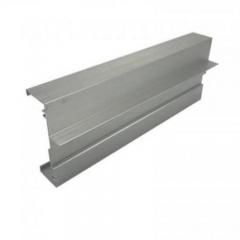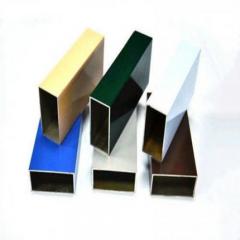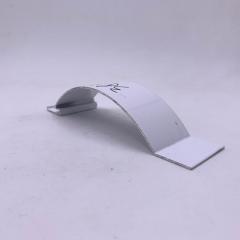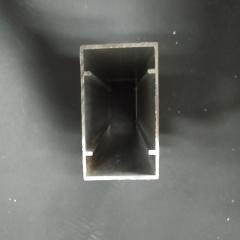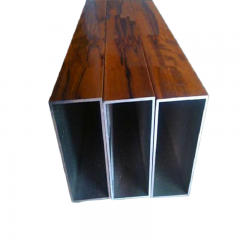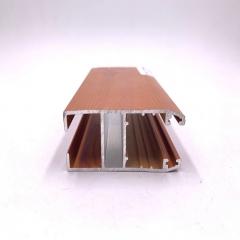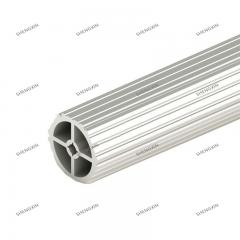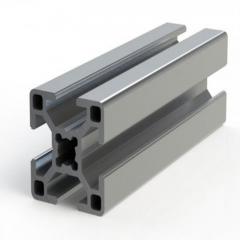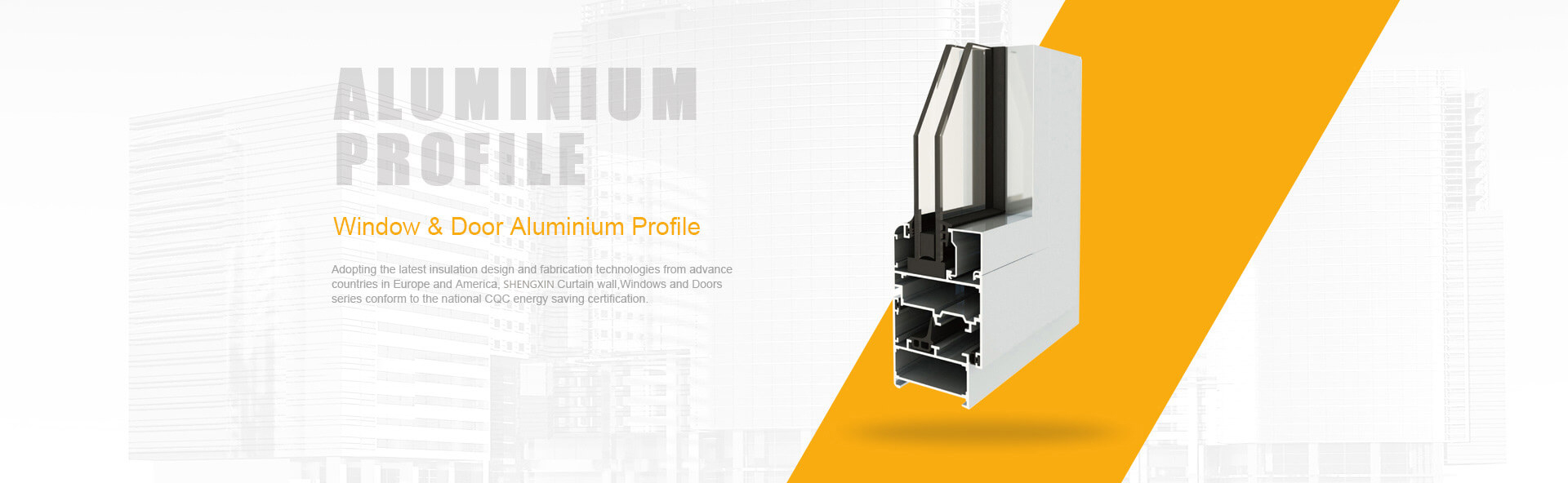
When you're sourcing hollow aluminum profiles for your next project, you'll quickly encounter two terms that seem interchangeable but carry distinct meanings. Understanding the difference between aluminum extrusion pipe and standard tubing can save you significant time, money, and engineering headaches down the road.
Aluminum extrusion pipe is a seamless hollow profile created by forcing heated aluminum through a precision-engineered die, resulting in uniform wall thickness, superior structural integrity, and exact dimensional consistency throughout its entire length.
Here's the key distinction: while an aluminum tube is typically measured by its outer diameter and wall thickness for structural applications, pipe is designated by nominal pipe size (NPS) and is engineered primarily for fluid or gas transport. However, extruded aluminum pipe bridges both worlds—offering the structural benefits of tube extrusion with the seamless construction essential for pressure applications.
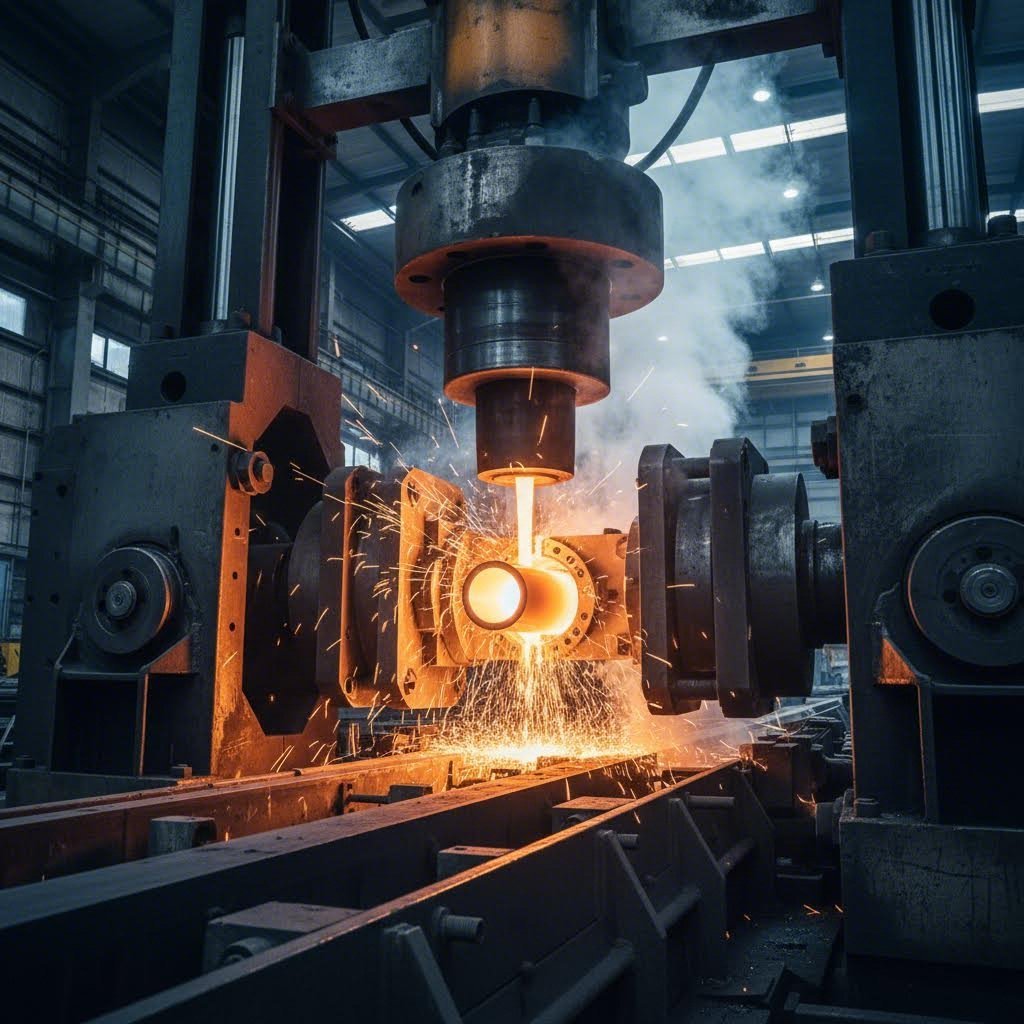
Imagine squeezing toothpaste through a shaped nozzle—that's essentially how aluminum extrusion works, just with considerably more force and precision. The process begins with a solid aluminum billet, a cylindrical log typically preheated to 800-925°F. At this temperature, the metal becomes malleable without turning molten, making it perfect for shaping.
What makes extruded aluminum fundamentally superior to welded alternatives? The answer lies in continuous material flow. When a powerful hydraulic ram applies up to 15,000 tons of pressure, the aluminum flows seamlessly through the die opening. There are no joints, no weak points, and no variations in wall thickness—just uniform material throughout the entire profile length.
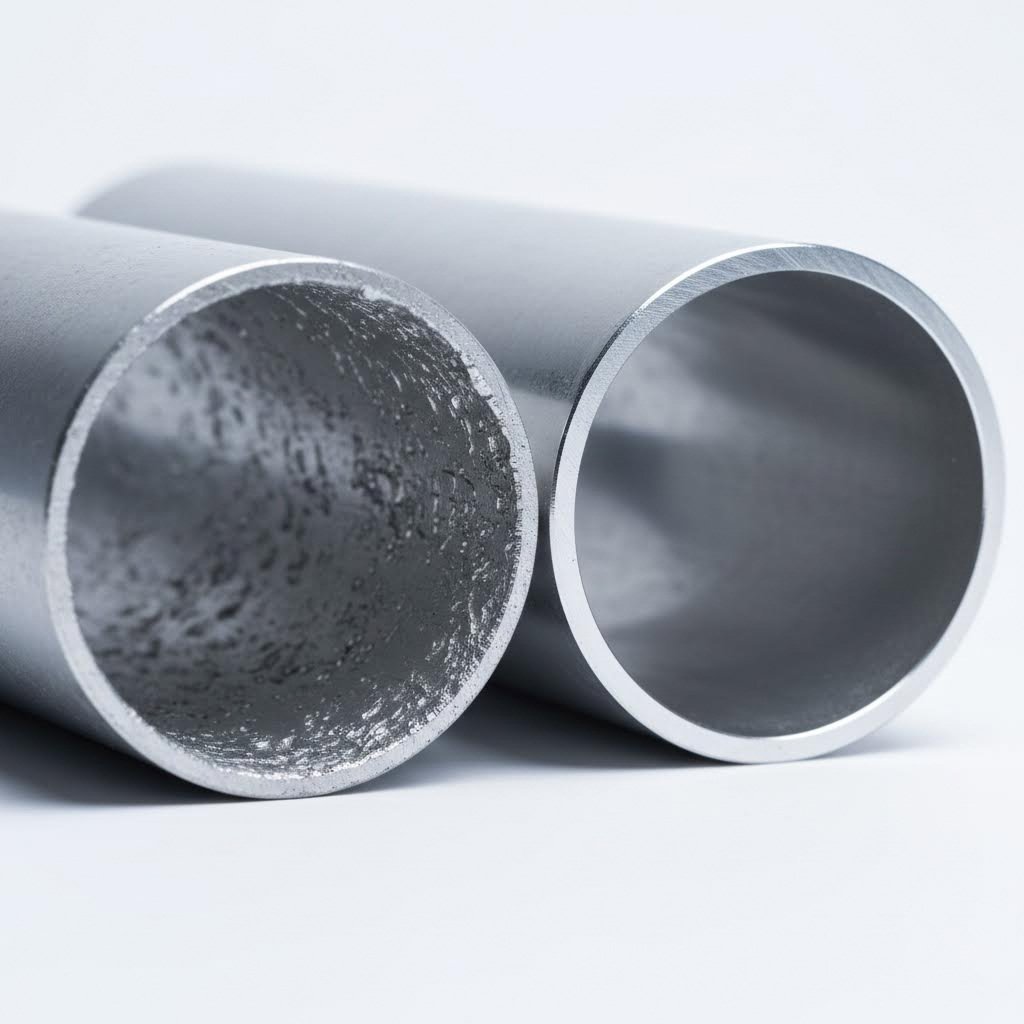
For creating hollow profiles like an extruded tube, manufacturers use specialized dies with internal mandrels. As the aluminum extrude pushes through, it flows around supporting ribs and rejoins on the other side, creating a truly seamless cylinder. This differs dramatically from welded seam tubing, where metal strips are rolled and joined along a longitudinal weld—a potential weak point under stress or pressure.
The precision of an aluminum extrusion tube starts with its custom steel die, preheated to approximately 750-900°F to ensure optimal metal flow. According to Bonnell Aluminum's manufacturing guide, this preheating process prolongs die life while maintaining dimensional accuracy.
After the extruded aluminum pipe emerges from the press, it undergoes rapid cooling using water or air quenching. This controlled cooling stabilizes mechanical properties before the profile is stretched to correct any minor deformations. Final cuts produce lengths typically ranging from 8 to 24.99 feet, with additional heat treatment (aging) applied to achieve specific temper grades like T4, T5, or T6.
Why does this matter for your application? Seamless extruded aluminum pipe delivers consistent performance across its entire length—there's no variation in strength where a weld might exist. For structural frameworks, pneumatic systems, or any application where reliability is non-negotiable, this manufacturing method produces profiles you can trust.
Now that you understand how aluminum extrusion pipe is manufactured, the next critical decision involves selecting the right alloy. Think of it this way—the extrusion process determines the shape and structural integrity, but the alloy composition determines how that shape performs under real-world conditions. Get this choice wrong, and even a perfectly extruded profile won't meet your application requirements.
Two alloys dominate the aluminum extrusion profiles market: 6061 and 6063. Both belong to the 6xxx series, meaning they're primarily alloyed with magnesium and silicon. However, their subtle compositional differences create significant performance variations that directly impact which projects they're suited for.
Often called "structural aluminum," 6061 aluminum tubing is the workhorse choice when strength matters most. This alloy contains higher concentrations of magnesium (0.8-1.2%) and silicon (0.4-0.8%), plus additional copper and chromium. The result? Superior tensile strength and impressive machinability that make 6061 tubing ideal for aerospace components, marine applications, and heavy-duty structural parts.
On the other hand, 6063 earns its nickname as "architectural aluminum" for good reason. With lower magnesium (0.45-0.9%) and silicon (0.2-0.6%) content, this alloy has been optimized specifically for extrudability. What does that mean for you? Smoother surface finishes, tighter tolerances on complex extruded aluminum profiles, and exceptional anodizing characteristics. When your project will be visible—window frames, railings, decorative trim—6063 delivers the aesthetic quality you need.
Here's a practical way to think about your choice: if your aluminum extrusion profile will bear significant loads or face mechanical stress, lean toward 6061. If it needs to look beautiful and resist environmental corrosion while handling moderate structural demands, 6063 is your ally.
Sounds complex? Temper designations actually follow a logical system once you understand the basics. The "T" indicates thermal treatment, and the numbers following describe exactly what that treatment involves.
According to Alumeco's temper specifications, T6 means the aluminum has been solution heat-treated and then artificially aged to achieve maximum strength. This process dissolves alloying elements into the aluminum matrix, then precipitates them in a controlled manner during aging. The result is peak mechanical properties—T6 temper represents the strongest condition for heat-treatable alloys.
T52 takes a different approach. This temper indicates the aluminum was cooled from an elevated temperature shaping process and then stress-relieved by compressing. It's specifically designed for extruded aluminum sizes that need good formability and dimensional stability rather than maximum strength. You'll notice T52 is commonly paired with 6063 for architectural applications where the aluminum tub or profile may require additional bending or forming after extrusion.
What does this mean for end-user performance? When you specify 6061-T6, you're getting the highest strength the alloy can achieve—ideal for structural frameworks, machine components, and anywhere failure isn't an option. Specifying 6063-T52 prioritizes workability and surface quality, perfect for visible architectural elements that need to maintain tight tolerances across various extruded aluminum sizes.
| Property | 6061-T6 | 6063-T52 |
|---|---|---|
| Tensile Strength | Higher (approximately 45,000 psi) | Moderate (approximately 22,000 psi) |
| Corrosion Resistance | Good | Excellent |
| Weldability | Good | Good |
| Machinability | Excellent | Fair |
| Surface Finish Quality | Good | Excellent |
| Extrudability | Good | Excellent |
| Anodizing Response | Good | Exceptional |
| Typical Applications | Aerospace, marine, structural components, machine parts | Architectural frames, window systems, decorative trim, furniture |
Both alloys offer excellent recyclability—an increasingly important consideration for environmentally conscious projects. And while either can be finished with anodizing, powder coating, or polishing, 6063's superior surface characteristics make it the preferred choice when appearance is paramount. For applications requiring the best of both worlds, some engineers specify 6061 for hidden structural members and 6063 for visible components within the same assembly.
With alloy selection clarified, your next consideration involves the physical configuration of your aluminum extrusion pipe—specifically, which shapes and sizes match your project requirements.
You've selected your alloy and understand the manufacturing process—now comes the practical question every engineer faces: what shapes and aluminum tubing sizes are actually available? The answer is surprisingly broad, and choosing the right configuration can dramatically impact both performance and project costs.
Aluminum extrusion pipe comes in three primary profiles: round, square, and rectangular. Each shape offers distinct structural characteristics that make it better suited for specific applications. Understanding these differences helps you match the profile to your project requirements rather than forcing a one-size-fits-all solution.
When you think of traditional piping, round profiles likely come to mind first—and for good reason. An aluminum round tube distributes stress evenly across its entire circumference, making it inherently stronger than angular alternatives of equivalent weight. According to Orange Aluminum's structural analysis, round tubing is approximately 20% lighter than square tubing when comparing equivalent lengths with similar load-bearing capacity.
This cylindrical geometry excels in two primary scenarios. First, fluid and gas transfer applications benefit from the absence of corners where turbulence or pressure concentration might occur. Second, structural applications involving torsional loads—think handrails, roll cages, or frame tubes subjected to twisting forces—perform better with round profiles because stress distributes uniformly rather than concentrating at corners.
Aluminum round tubing also responds exceptionally well to bending and shaping. The even pressure distribution allows the material to flow smoothly during forming operations, minimizing distortion and preserving strength afterward. If your design requires curved elements or complex bends, round profiles will give you cleaner results with less risk of material failure.
While round profiles win on pure structural efficiency, square aluminum tubing dominates framework and assembly applications for practical reasons. Those flat surfaces make all the difference when you need to join components, mount accessories, or create rigid connections.
Consider this scenario: you're building an equipment frame that requires multiple attachment points. With aluminum square tubing, you can clamp pieces in a vice, drill mounting holes on flat surfaces, and weld along straight lines. Every operation becomes simpler because you're working with predictable, stable geometry. The 90-degree corners also create natural alignment references, making assembly more intuitive.
Rectangular aluminum tubing offers an additional advantage—asymmetric strength characteristics. A 1"x2" profile provides greater resistance to bending along its taller axis, allowing you to optimize material usage based on directional load requirements. This makes rectangular profiles ideal for applications like shelving supports, door frames, or structural rails where loads are primarily applied from one direction.
The trade-off? Square and rectangular profiles concentrate stress at their corners, reducing overall strength compared to round tubes of equivalent material weight. For purely structural applications without assembly requirements, round remains superior. But when workability, mounting flexibility, and aesthetic considerations enter the equation, angular profiles often prove more practical.
Regardless of profile shape, wall thickness fundamentally determines both strength and weight. According to Southwest Aluminum's specifications, common wall thicknesses range from thin-wall options around 0.065 inches (approximately 1/16") to heavy-wall variants reaching 0.250 inches (1/4") or more.
Here's a practical framework for wall thickness selection:
Remember that wall thickness interacts with alloy selection. A 6061-T6 tube with thinner walls may outperform a 6063-T52 tube with thicker walls in load-bearing applications, while costing less and weighing less. Always evaluate both variables together.
Standard aluminum tubing sizes have evolved around common industry needs, making these dimensions readily available with shorter lead times and lower costs. Here's what you'll typically find in supplier inventories:
These standard dimensions exist because manufacturers have already invested in the extrusion dies. You benefit from economies of scale—no tooling costs, predictable quality, and often same-week availability.
When does custom extrusion make financial sense? According to Sinoextrud's manufacturing analysis, the decision hinges on volume, complexity, and long-term requirements.
Standard aluminum tubing wins when your project uses generic profiles, quantities are modest, or you need fast delivery. Since these shapes are already in stock, you eliminate tooling costs entirely and can often receive material within days rather than weeks.
Custom extrusion becomes economically viable when your design requires integrated features—built-in mounting channels, specific wall thickness combinations, or profiles that would otherwise require multiple standard pieces joined together. One real-world example: a lighting manufacturer reduced their assembly from five separate components to a single custom extrusion, cutting assembly time by 40% and eliminating connection points that could fail.
The break-even calculation typically favors custom when you're ordering significant quantities (often 500+ pounds minimum) and plan for repeat orders. Once your custom die exists, reorder lead times match standard products. The initial tooling investment—typically $500 to $2,000 for simple profiles—amortizes across production volume.
For most projects, the practical approach combines both strategies: use standard shapes wherever they fit your requirements, and invest in custom extrusions only where unique geometry delivers measurable value in reduced assembly time, improved performance, or consolidated part counts.
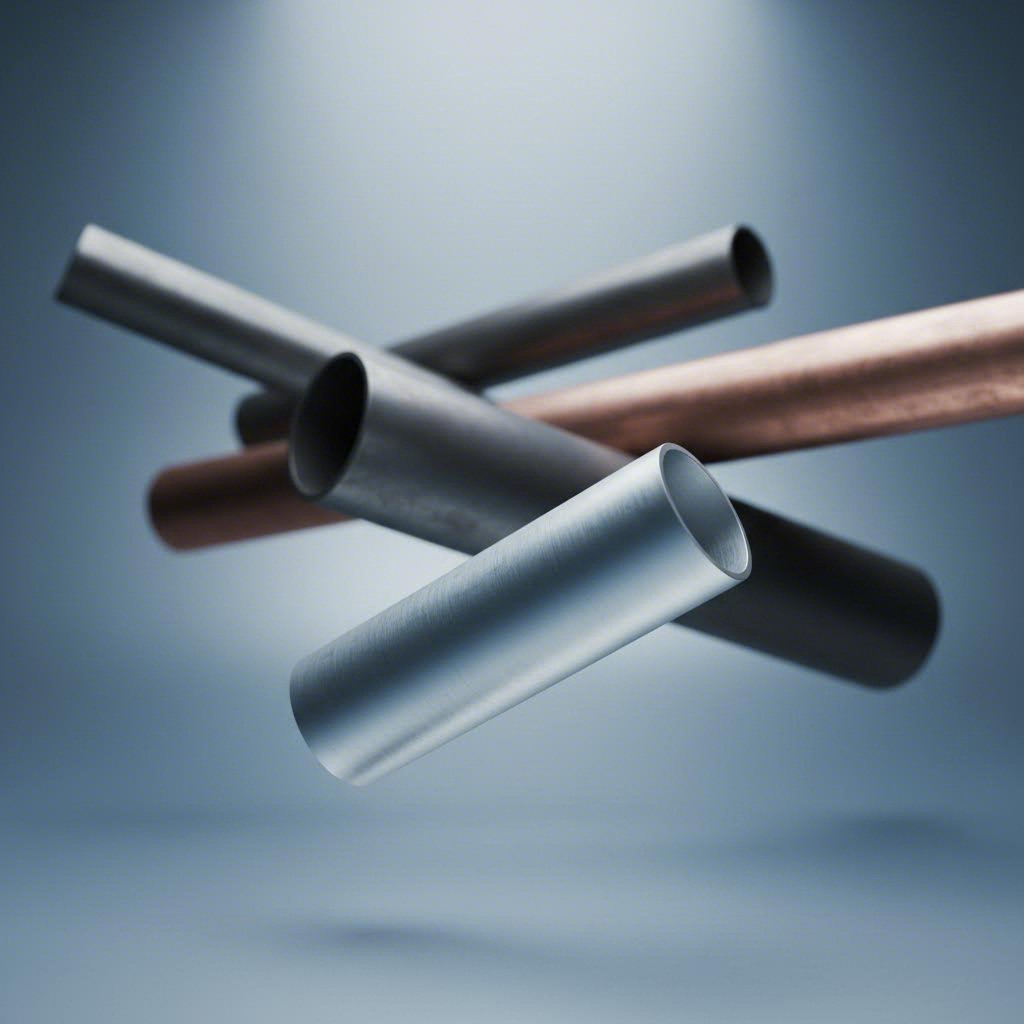
With shapes and sizes clarified, a fundamental question remains: why aluminum at all? When steel offers higher raw strength, copper delivers superior thermal conductivity, and plastic costs less upfront, what makes aluminum extrusion pipe the preferred choice for so many engineering applications?
The answer lies in a single metric that transforms material selection decisions: the strength-to-weight ratio. While steel may technically be stronger, and copper may conduct heat better, aluminum tubes deliver the optimal balance of performance characteristics that matter in real-world applications. Let's break down exactly how this comparison works across the materials you're likely considering.
Here's the core reality that surprises many engineers: steel exhibits a density approximately 2.5 times greater than aluminum. That means a steel pipe of identical dimensions weighs roughly two and a half times more than its aluminum counterpart. For any application involving transportation, handling, or weight-sensitive installation, this difference is transformative.
But doesn't steel's higher strength justify that extra weight? Not as often as you might think. When you calculate strength per unit weight—the strength-to-weight ratio—aluminum closes the gap dramatically. According to Eagle Aluminum's engineering analysis, while steel holds a technical strength advantage over aluminum, the latter's significantly lighter weight must be factored into the overall equation.
Consider these practical implications:
There's another factor that often tips decisions toward aluminum: malleability. Aluminum exhibits significantly higher malleability compared to steel, allowing it to be effectively shaped or formed into a wide range of customized configurations without encountering fractures or fissures. This characteristic makes aluminum extrusion pipe ideal for complex profiles that would be prohibitively expensive or impossible to achieve with steel.
What about cold weather applications? Here's where aluminum surprises many specifiers—its strength actually increases as temperatures drop. Steel becomes more brittle in extreme cold, while aluminum maintains or improves its mechanical properties. For outdoor installations in northern climates or refrigeration systems, this behavior provides an unexpected performance advantage.
When comparing aluminium pipe to steel, corrosion resistance often becomes the deciding factor. Steel's robust carbon content contributes to its strength, but that same composition makes it vulnerable to rust and oxidation. Carbon steel demands protective layers of paint or other finishing treatments to counteract corrosion, especially in environments characterized by moisture, dampness, or abrasive conditions.
Aluminum takes a fundamentally different approach. The moment aluminum contacts air, it forms a thin but remarkably durable oxide layer on its surface. This naturally occurring film provides continuous corrosion protection without any additional treatment. Unlike paint or coatings that can chip, wear, or require maintenance, aluminum's oxide layer is self-healing—if scratched, it immediately reforms.
What does this mean for lifecycle costs? Steel installations often require:
Aluminum extrusion pipe, by contrast, can remain in service for decades with minimal maintenance. While finishing options like anodizing or powder coating can enhance appearance and provide additional protection, they're often aesthetic choices rather than functional necessities.
The aluminum versus copper decision typically centers on thermal conductivity and cost. Copper offers approximately 60% better thermal conductivity than aluminum, making it the traditional choice for heat exchangers, HVAC refrigerant lines, and applications where heat transfer efficiency is paramount.
However, that thermal advantage comes at a significant price premium. Copper typically costs 20-40% more than aluminum for equivalent applications. For projects where moderate thermal performance meets requirements, aluminum's cost advantage becomes compelling—especially when thick wall aluminum tubing can compensate for lower conductivity through increased surface area.
When does copper still make sense? For high-efficiency HVAC systems, precision heat exchangers, and applications requiring the absolute best thermal performance, copper's premium may be justified. But for structural applications, general fluid handling, or scenarios where thermal conductivity is secondary to weight and cost, aluminum wins decisively.
Comparing aluminum to PVC and other plastics introduces different trade-offs:
For thin wall aluminum pipe applications, the weight comparison with plastic becomes particularly interesting. While PVC weighs less than steel, thin wall aluminum tubing can approach plastic's weight while delivering vastly superior strength and durability.
The following table summarizes how aluminum extrusion pipe compares against the most common alternative materials across key performance factors:
| Performance Factor | Aluminum Extrusion Pipe | Steel Pipe | Copper Pipe | PVC Pipe |
|---|---|---|---|---|
| Weight (Relative) | Low (baseline) | High (2.5x aluminum) | High (3x aluminum) | Very Low (0.5x aluminum) |
| Strength-to-Weight Ratio | Excellent | Good | Moderate | Poor |
| Corrosion Resistance | Excellent (natural oxide) | Poor (requires coating) | Good | Excellent |
| Thermal Conductivity | Good | Moderate | Excellent | Very Poor |
| Material Cost | Moderate | Low to Moderate | High | Low |
| Lifecycle Cost | Low | Moderate to High | Moderate | Low to Moderate |
| Machinability | Excellent | Good | Excellent | Good |
| Temperature Range | Wide (-320°F to 400°F) | Wide | Wide | Limited (32°F to 140°F) |
| Recyclability | 100% recyclable | 100% recyclable | 100% recyclable | Limited recyclability |
| Typical Applications | Structural, architectural, transport, pneumatic | Heavy structural, pressure vessels | HVAC, plumbing, heat exchange | Drainage, irrigation, chemical handling |
Rather than declaring any material universally superior, smart engineers match material properties to application requirements. Here's practical guidance for common scenarios:
Choose aluminum extrusion pipe when:
Consider steel when:
Opt for copper when:
Select plastic when:
The trend toward aluminum extrusion pipe in engineering applications reflects a broader shift toward optimized design. Engineers increasingly recognize that specifying the lightest material that meets strength requirements—rather than over-engineering with heavier alternatives—delivers better overall value. Combined with aluminum's natural corrosion resistance and exceptional extrudability into complex shapes, this weight advantage explains why so many industries are making the switch.
Understanding material trade-offs prepares you to select the right option, but knowing where aluminum extrusion pipe excels in practice brings these comparisons to life. Let's explore the specific industries and applications where this material delivers the greatest value.

You've seen the material comparisons and understand why aluminum extrusion pipe outperforms alternatives in many scenarios. But where does this translate into actual project success? The answer spans nearly every major industry—from the buildings we occupy to the vehicles we drive to the equipment that powers modern manufacturing.
According to Southwest Aluminum's industry analysis, seamless aluminum tubes have become one of the most widely used materials across diverse sectors. The unique combination of strength-to-weight ratio, corrosion resistance, and thermal conductivity makes aluminum extrusions suitable for applications that would challenge any single alternative material.
Let's explore exactly where these profiles deliver the greatest value—and help you identify which applications align with your specific project requirements.
Walk through any modern commercial building, and you're surrounded by aluminum extrusion shapes. The construction industry has embraced extruded aluminum tube profiles for applications ranging from structural frameworks to decorative finishes, and the reasons are compelling.
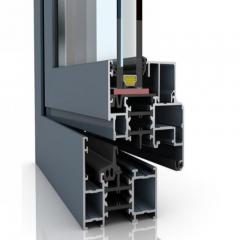
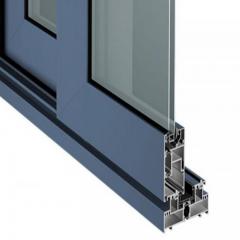
Window and Door Systems: Aluminum sliding door track systems and window frames represent one of the largest application categories. Why? These profiles must resist weather exposure for decades while maintaining tight dimensional tolerances. The natural oxide layer protects against corrosion without ongoing maintenance, while 6063-T5 alloy delivers the smooth surface finish that architectural applications demand. Modern thermal break designs incorporate extruded channels that separate interior and exterior aluminum components, dramatically improving energy efficiency.
Curtain Wall Systems: High-rise buildings rely on aluminum channel extrusions to create the structural framework supporting glass facades. These systems must handle wind loads, thermal expansion, and water infiltration—all while remaining lightweight enough that building structures don't require massive reinforcement. An aluminum extrusion frame provides the perfect balance of strength, weather resistance, and design flexibility.
Additional architectural applications include:
The construction industry's adoption of aluminum extrusions reflects a fundamental shift toward lifecycle thinking. While initial material costs may exceed some alternatives, the elimination of painting, rust treatment, and premature replacement delivers compelling long-term value.
Beyond buildings, aluminum extrusion pipe has transformed manufacturing operations and transportation design. According to China-ME's industrial applications guide, aluminum extrusions have become indispensable raw materials in industrial automation, with applications expanding into increasingly specialized domains.
Equipment Frameworks and Supports: Manufacturing facilities rely on aluminum extrusion frames to support automation equipment, conveyor systems, and production machinery. The modular nature of extruded profiles allows rapid assembly and reconfiguration—critical in lean manufacturing environments where production layouts evolve continuously. A single 2x4 aluminum tubing profile can serve as a conveyor rail today and become part of a workstation frame tomorrow.
Machine Guarding Systems: Safety enclosures around industrial equipment increasingly use aluminum extrusions. These guards must provide clear sightlines to operators while protecting against debris and preventing access to moving parts. Lightweight aluminum panels mounted to extruded frames can be quickly removed for maintenance, then reinstalled without special tools.
The transportation sector has embraced aluminum with particular enthusiasm:
Pneumatic and Fluid Systems: Industrial pneumatic systems use seamless extruded aluminum tube for compressed air distribution. The uniform wall thickness ensures consistent pressure ratings throughout the system, while aluminum's lightweight nature simplifies overhead installation. Conveyor components, cylinder bodies, and manifold assemblies all benefit from aluminum's machinability and corrosion resistance.
Beyond traditional categories, aluminum extrusions continue finding new applications as engineers recognize their versatility:
The common thread across all these applications? Aluminum extrusion pipe delivers a unique combination of properties that no single alternative material can match. When your project requires light weight without sacrificing strength, corrosion resistance without ongoing maintenance, and design flexibility to create custom profiles, aluminum extrusions become the natural choice.
Recognizing where aluminum excels is the first step—but selecting the exact specifications for your specific project requires a systematic approach. Let's walk through the selection process that ensures you specify the right profile for your requirements.
You understand the materials, shapes, and applications—now comes the practical challenge every engineer faces: specifying exactly the right aluminum extrusion pipe for your unique project. Get this wrong, and you'll either overspend on unnecessary performance or discover mid-project that your selection falls short. Get it right, and your build proceeds smoothly from procurement through installation.
The selection process isn't complicated, but it does require systematic thinking. According to FastMetals' selection guide, choosing the wrong type of aluminum tubing can lead to performance issues, unnecessary costs, or safety concerns. Let's walk through the decision factors that matter most—and help you avoid common specification mistakes.
Before browsing catalogs or requesting quotes, clarify exactly what your application demands. Four primary factors should drive every specification decision:
Load Requirements: What forces will your aluminum pipe experience? Static loads from supported equipment behave differently than dynamic loads involving movement, vibration, or impact. A display frame holding lightweight signage needs far less structural capacity than a machine base supporting heavy manufacturing equipment. When calculating load requirements, always factor in safety margins—engineers typically specify 25-50% beyond expected maximum loads to account for unexpected stresses.
Environmental Exposure: Where will your installation live? Indoor climate-controlled environments present minimal challenges, but outdoor applications introduce UV exposure, temperature cycling, and moisture. Marine or coastal installations face salt spray that accelerates corrosion on unprotected metals. Chemical processing environments may expose profiles to substances that attack certain alloys. Each scenario influences both alloy selection and finishing requirements.
Aesthetic Needs: Will your aluminum extrusion pipe be visible or hidden? Structural members concealed within walls or machinery can prioritize pure performance, while exposed architectural elements demand surface quality and consistent appearance. This distinction often determines whether you specify 6061 (optimized for strength) or 6063 (optimized for finish quality).
Budget Constraints: Every project operates within financial limits. However, smart budgeting considers lifecycle costs—not just purchase price. According to industry experience, while more economical aluminum tubing may seem appealing, it may not provide the necessary durability for long-term use. Sometimes spending more upfront on appropriate alloys or finishes eliminates costly maintenance or premature replacement.
Wall thickness directly determines both strength and weight—and represents one of the most consequential specification decisions you'll make. Thicker walls provide better strength and impact resistance, but they also increase weight and cost.
Here's a practical framework for wall thickness selection:
Remember that wall thickness interacts with profile shape and alloy selection. A 1 inch aluminum tubing profile in 6061-T6 with medium wall thickness may outperform a larger 6063-T52 profile with thicker walls in structural applications. Always evaluate these variables together rather than in isolation.
Should you order standard lengths and cut them yourself, or pay for custom cut-to-size service? The answer depends on your volume, precision requirements, and internal capabilities.
Standard length advantages:
Custom cut-to-size advantages:
According to Howard Precision Metals, custom length aluminum extrusions can dramatically reduce waste and lower total costs. Their example illustrates the math: ordering 144" standard lengths for 12.5" parts yields 11 pieces per bar with significant waste. Ordering custom 152.5" lengths yields 12 pieces per bar with zero waste—requiring fewer bars and less total material despite a slightly higher per-foot cost.
For high-volume production runs, custom lengths typically pay for themselves. For prototype work or small quantities, standard lengths offer flexibility without minimum order commitments.
Custom extrusions require die investment and production scheduling that standard stock avoids. Understanding these constraints helps you plan procurement timelines effectively.
Standard stock aluminum pipe sizes: Available immediately from distributors with no minimum quantities. Most orders ship within 1-2 business days. Ideal for prototypes, repairs, and small production runs.
Custom length extrusions: Minimums typically start around 1,000 pounds for common aluminum square tube and round profiles. Lead times range from 2-4 weeks depending on current production schedules. Once your lengths are produced, reorders follow similar timelines.
Custom profile extrusions: New die development requires tooling investment (typically $500-$2,000 for simple profiles) plus 4-8 week lead times for die fabrication and initial production runs. However, once dies exist, reorders proceed like standard production with normal lead times.
For projects requiring custom profiles, early engagement with manufacturers allows die development to proceed in parallel with other project phases. Waiting until you need material immediately creates unnecessary schedule pressure.
Before finalizing any aluminum extrusion pipe specification, work through this systematic checklist to ensure you've addressed all critical factors:
Working through these questions systematically prevents the specification errors that create project delays. Each answer narrows your options toward the optimal solution for your specific requirements.
With specifications defined, your attention naturally turns to surface treatments that can enhance both performance and appearance. The finishing options available for aluminum extrusion pipe range from purely functional to dramatically decorative—and understanding these choices prepares you for the next phase of your project.
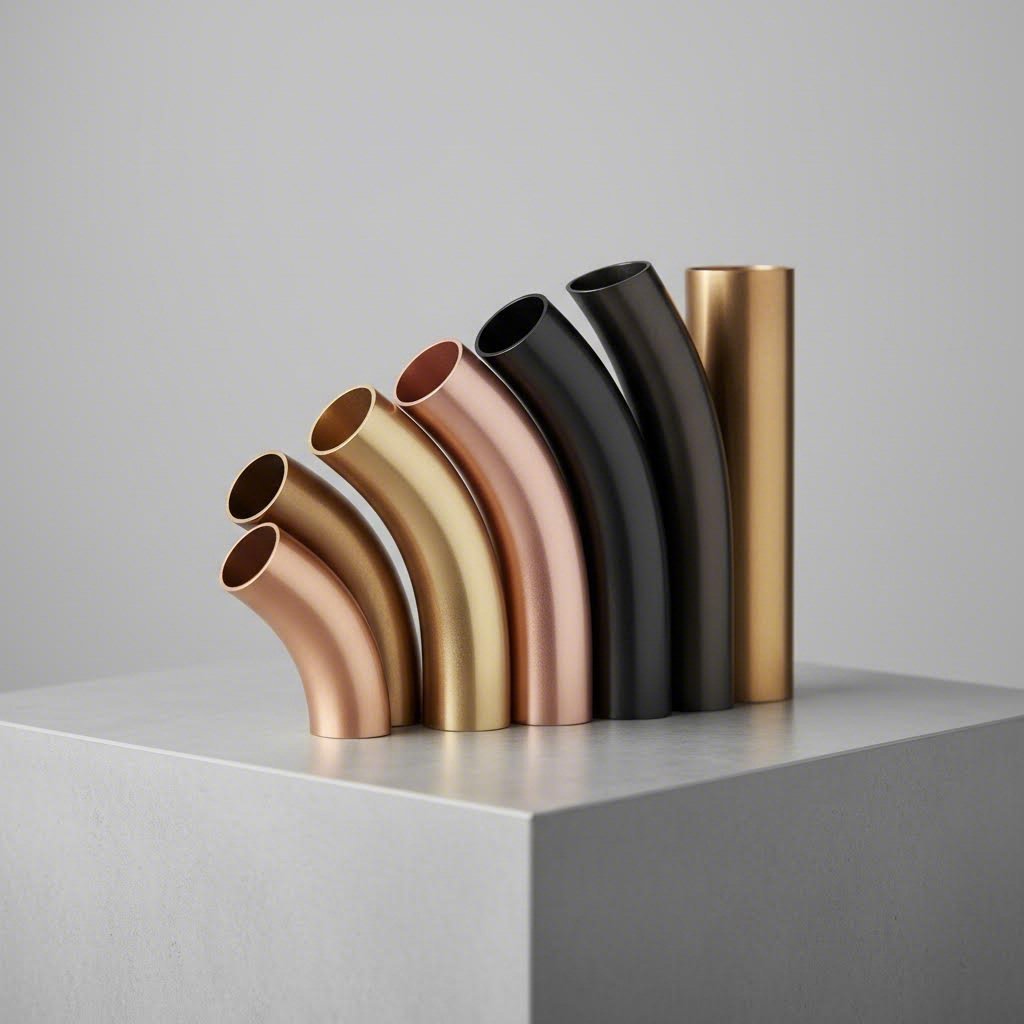
You've specified the right alloy, selected optimal dimensions, and confirmed your aluminum extrusion pipe meets structural requirements. But here's what many engineers overlook until it's too late: surface treatment dramatically affects both performance longevity and visual appeal. The finishing you choose can mean the difference between a profile that degrades within years and one that performs flawlessly for decades.
While aluminum's natural oxide layer provides baseline corrosion protection, engineered surface treatments take performance to entirely different levels. According to Pioneer Metal Finishing's technical specifications, anodizing increases the thickness of naturally occurring oxide layers on metal, enhancing the finished part's corrosion and wear resistance far beyond what raw aluminum delivers.
Let's explore the primary finishing options—and help you match the right treatment to your specific application requirements.
Imagine taking aluminum's natural protective oxide and making it 100 times thicker while simultaneously enabling decorative color options. That's essentially what anodizing accomplishes through an electrochemical conversion process that transforms the surface layer into a hard, durable ceramic coating.
What makes anodized aluminum extrusions fundamentally different from painted or coated surfaces? The protective layer isn't sitting on top of the metal—it becomes part of the metal itself. This integration means anodized surfaces won't chip, peel, or flake like applied coatings can. According to Pioneer Metal Finishing, compared to other finishing methods such as painting or powder coating, the anodizing process results in a durable, long-lasting protective layer that is part of the metal rather than sitting atop its surface.
Three primary anodizing types serve different application needs:
Type II Sulfuric Acid Anodizing: The most common architectural finish, Type II creates oxide layers typically 0.0002" to 0.001" thick. This process accepts dyes readily, enabling a full spectrum of colors from subtle champagne and bronze tones to bold blacks and blues. Clear anodizing preserves aluminum's natural silver appearance while enhancing durability. Most aluminum t extrusion profiles for architectural applications receive Type II treatment.
Type III Hardcoat Anodizing: When extreme wear resistance matters, Type III (also called hardcoat) produces oxide layers up to 0.004" thick with exceptional hardness. These finishes excel in applications demanding high abrasion resistance, including industrial equipment, aerospace components, and extruded aluminium track systems subjected to sliding contact. The color range is limited—typically dark gray to black—but durability is unmatched.
Specialized Color Anodizing: Beyond standard dyeing processes, advanced techniques enable distinctive finishes like Champagne and Rose Gold that have become popular in premium architectural applications. These colors require precise electrolyte chemistry and processing control, typically available from manufacturers with comprehensive deep processing capabilities.
Key benefits of anodized surfaces include:
For black aluminum extrusion applications, anodizing offers two distinct approaches: dyed black Type II for architectural aesthetics or hardcoat Type III for maximum wear resistance. The choice depends on whether appearance or durability takes priority in your application.
When your project demands color options beyond anodizing's range, or when cost considerations favor applied coatings, powder coating and PVDF (polyvinylidene fluoride) finishes become compelling alternatives. Both create durable protective layers—but through fundamentally different processes with distinct performance characteristics.
Powder Coating: This dry finishing process applies electrostatically charged powder particles to grounded aluminum surfaces, then cures the coating at approximately 400°F (200°C). The result is a uniform, durable finish available in virtually unlimited colors and textures. Powder coating works exceptionally well on aluminum extruded profiles because the metal's thermal stability allows proper curing without dimensional changes.
Powder coating advantages include:
PVDF Coating (Fluorocarbon Paint): For premium architectural applications demanding the longest service life, PVDF coatings represent the gold standard. According to Xtra Metal Group's technical analysis, PVDF coatings are among the most durable architectural finishes used worldwide for curtain walls and exterior cladding.
PVDF typically uses a three-coat, two-bake liquid coating process that builds multiple protective layers topped with a clear coat. This multi-layer structure provides superior long-term stability, especially in harsh climates including coastal areas and high-humidity regions. The additional clear coat protection makes PVDF the preferred choice for landmark buildings and premium architectural projects.
Choosing between these options? Consider your installation environment:
The price difference between fluorocarbon powder and fluorocarbon paint (PVDF) reflects their processing complexity and durability. For visible aluminium extruded profile installations expected to last 30+ years in challenging environments, PVDF's premium typically justifies itself through extended service life and maintained appearance.
For applications demanding the ultimate in surface hardness and corrosion resistance, micro-arc oxidation (MAO)—also known as plasma electrolytic oxidation—represents cutting-edge surface treatment technology. According to research published in MDPI's Coatings journal, MAO technology demonstrates remarkable advantages in fabricating ceramic coatings on lightweight alloys, rapidly forming dense, pore-free ceramic layers within minutes.
How does MAO differ from conventional anodizing? While traditional anodizing operates below the electrical breakdown threshold, MAO intentionally exceeds this limit, creating plasma discharges that form dense ceramic oxide layers on the aluminum surface. The resulting coating achieves hardness values approaching 2500 HV—dramatically exceeding standard anodized surfaces.
MAO coatings excel in demanding applications:
While MAO treatment commands premium pricing due to specialized equipment requirements, manufacturers like Shengxin Aluminium offer this advanced treatment alongside conventional options including anodizing (with custom colors like Champagne and Rose Gold), powder coating, and PVDF—providing full-service processing capabilities from a single source.
Selecting the right finish requires balancing durability requirements, aesthetic preferences, and budget constraints. The following comparison helps clarify which treatment best matches your specific application:
| Treatment Type | Durability | Color Options | Cost Level | Ideal Applications |
|---|---|---|---|---|
| Type II Anodizing (Clear) | Excellent (20+ years exterior) | Natural aluminum appearance | Moderate | Architectural profiles, industrial equipment, consumer products |
| Type II Anodizing (Dyed) | Excellent (15-20 years exterior) | Wide range including custom colors | Moderate to High | Window frames, railings, decorative trim, retail fixtures |
| Type III Hardcoat | Exceptional (wear-focused) | Limited (gray to black) | High | Industrial machinery, aerospace components, sliding track systems |
| Powder Coating | Good (10-15 years exterior) | Unlimited colors and textures | Low to Moderate | Interior fixtures, standard commercial buildings, equipment enclosures |
| PVDF Coating | Exceptional (25-30 years exterior) | Wide range with excellent retention | High | Curtain walls, coastal installations, landmark architecture |
| Micro-Arc Oxidation | Exceptional (ceramic hardness) | Limited (natural ceramic colors) | Premium | High-wear components, thermal barriers, specialized industrial applications |
How do you navigate these options for your specific project? Start with these practical questions:
Is the profile visible or hidden? Exposed architectural elements justify premium finishes that maintain appearance. Concealed structural members can prioritize functional protection over aesthetics.
What's the installation environment? Coastal and industrial environments with salt spray or chemical exposure demand PVDF or specialized anodizing. Protected interior installations can succeed with standard powder coating.
What's your expected service life? A 10-year installation might not justify PVDF's premium, while a 30-year building facade benefits from its exceptional longevity.
Do you need specialized properties? Electrical insulation, extreme wear resistance, or thermal barriers may point toward MAO or hardcoat anodizing regardless of other factors.
For complex projects requiring multiple treatment types or custom color matching, working with manufacturers offering comprehensive processing capabilities simplifies procurement and ensures consistent quality across all components. This approach eliminates the coordination challenges of splitting orders between extrusion suppliers and separate finishing houses.
With surface treatment decisions clarified, your remaining challenge involves finding reliable suppliers who can deliver the quality, capabilities, and service your project demands. Let's explore how to evaluate potential manufacturing partners and structure procurement for success.
You've defined your specifications, selected appropriate alloys, and determined which surface treatments match your requirements. Now comes the procurement challenge that separates smooth projects from frustrating delays: finding the right supplier for your aluminum extrusion pipe. The decisions you make here affect everything from material quality to delivery timelines to total project costs.
The aluminum tubing for sale in today's market ranges from immediate-ship distributor stock to fully custom extrusions manufactured to your exact specifications. Understanding which sourcing strategy fits your project—and what distinguishes capable manufacturing partners from marginal suppliers—prevents costly mistakes and schedule disruptions.
Before requesting quotes, understand the fundamental cost structures that drive pricing decisions. According to Gabrian International's cost analysis, several factors consistently influence custom extrusion pricing—and knowing these helps you negotiate effectively and budget accurately.
When Standard Stock Makes Sense:
If your project uses common profiles—round tubes, square tubing, or rectangular sections in standard aluminum tube stock sizes—purchasing from distributor inventory offers compelling advantages:
Standard aluminum extrusions work well for prototyping, maintenance repairs, small production runs, and any application where common profiles meet functional requirements. When you can buy aluminum tubing that matches your needs from existing inventory, this path delivers the fastest, most economical results.
When Custom Extrusion Becomes Economically Viable:
Custom profiles require die development—an investment that only pays off when production volumes justify the tooling cost. According to industry data, tool costs for standard architectural and industrial extrusion dies typically range from $400 to $1,000, while larger parts requiring 2,000-4,000 ton presses may reach $2,000 or more.
Here's the economics: if your die costs $800 and you're ordering 100 pounds of extruded aluminum tubing, that tooling adds $8 per pound to your material cost. Order 10,000 pounds, and the tooling contribution drops to $0.08 per pound—essentially negligible. The break-even calculation typically favors custom extrusions when:
Many manufacturers refund tooling costs if stipulated volumes are purchased within two years—and most don't charge for replacement dies after their useful life expires if orders continue. This makes the initial tooling investment more palatable for ongoing production relationships.
Lead Time Considerations:
Time often matters as much as money. Standard extruded aluminum for sale ships immediately, while custom projects follow different timelines. Normal die turnaround runs 3-4 weeks, with production following within a week of sample approval. For projects with tight deadlines, this distinction can determine whether custom extrusion is feasible.
For custom projects or high-volume ongoing needs, transactional purchasing gives way to true manufacturing partnerships. This model involves deeper collaboration that delivers benefits beyond simple material supply.
Die Development and Engineering Support:
Capable aluminum extrusion supply partners don't just manufacture dies—they optimize your designs for extrudability. According to PTSMAKE's manufacturing guide, engaging manufacturers early allows for valuable feedback that can identify features slowing extrusion or complicating tooling. Simplifying complex geometries or adjusting tolerance requirements, where possible, can drastically cut production time and costs.
This Design for Manufacturability (DFM) collaboration often reveals opportunities invisible during initial engineering. A lighting manufacturer, for example, reduced assembly from five separate components to a single custom extrusion—cutting assembly time by 40% and eliminating potential failure points at connections.
Prototyping and Production Scaling:
After die fabrication, initial samples (die trials) verify dimensions and quality against specifications. Efficient evaluation of these first articles and clear feedback for adjustments keeps momentum going. Once approved, production scales according to your requirements—whether that means small monthly batches or continuous high-volume output.
The best manufacturing partners maintain your dies, monitor quality throughout production runs, and provide consistent results across years of reorders. This continuity eliminates the learning curve and quality variations that plague relationships with multiple vendors.
Not all aluminum extrusion manufacturers offer equal capabilities. Evaluating potential partners systematically helps you identify suppliers who will support your projects reliably over time.
Essential Evaluation Criteria:
Supply Chain Stability Factors:
What does a full-capability aluminum extrusion supply partner look like in practice? Shengxin Aluminium exemplifies the comprehensive manufacturing model with over 30 years of industry experience and facilities purpose-built for diverse project requirements.
Their operation includes 35 extrusion presses ranging from 600T to 5500T capacity—covering everything from small precision profiles to large structural sections. State-of-the-art CNC machining centers handle secondary operations including precise cutting, drilling, and bending to exact specifications, while comprehensive surface treatment capabilities encompass anodizing (with custom colors like Champagne and Rose Gold), powder coating, PVDF, and advanced micro-arc oxidation.
This end-to-end support model—from die development through mass production—eliminates coordination headaches while delivering factory-direct pricing advantages. Whether you need custom 6063 aluminum tubes, architectural window frames, or complex industrial profiles, integrated manufacturing partners like Shengxin provide technical guidance and consistent quality that transactional suppliers cannot match.
How should you structure your aluminum extrusion pipe procurement? Consider these scenario-based approaches:
For prototype and development projects: Source standard aluminum tubes for sale from distributors offering small quantities with fast shipping. This minimizes investment while you refine designs and validate concepts.
For initial production runs: If custom profiles are required, evaluate manufacturers with moderate minimum order quantities and reasonable tooling costs. Request die cost refund policies and understand reorder lead times.
For ongoing production relationships: Invest time in identifying manufacturing partners with comprehensive capabilities, quality certifications, and technical support resources. The upfront evaluation effort pays dividends across years of reliable supply.
For cost-sensitive high-volume projects: Consider overseas manufacturers offering factory-direct pricing, but verify quality certifications and request samples before committing to large orders. Lead time extensions may be acceptable when offset by significant cost advantages.
The aluminum extrusion market offers solutions for every project scale and complexity level. Understanding the economics of standard versus custom sourcing—and knowing what distinguishes capable manufacturing partners from marginal suppliers—positions you to make procurement decisions that support project success from first prototype through ongoing production.
Standard aluminum extrusion pipe sizes vary by profile shape. Round tubes range from 1/4" to 6" outer diameter, with 1/2", 3/4", 1", 1.5", and 2" being most common. Square tubes span from 1/2"x1/2" to 4"x4", while rectangular options include 1"x2", 1.5"x3", and 2"x3" configurations. Standard lengths typically run 10, 12, 20, or 24 feet. Wall thicknesses range from thin-wall (0.065") to heavy-wall (0.250"+), allowing customization based on structural requirements.
6061-T6 aluminum offers higher tensile strength (approximately 45,000 psi) and excellent machinability, making it ideal for aerospace, marine, and heavy-duty structural applications. 6063-T52 provides superior surface finish quality, exceptional anodizing characteristics, and better extrudability, preferred for architectural applications like window frames, railings, and decorative trim. Choose 6061 when strength is critical; select 6063 when appearance and corrosion resistance matter most.
Aluminum extrusion pipe weighs approximately 2.5 times less than steel of identical dimensions, significantly reducing shipping costs and installation labor. While steel offers higher absolute strength, aluminum's superior strength-to-weight ratio often delivers equivalent performance with less material. Aluminum naturally forms a protective oxide layer, eliminating the ongoing painting and rust treatment steel requires. Additionally, aluminum's malleability allows complex custom profiles that would be prohibitively expensive in steel.
Primary surface treatments include Type II anodizing for architectural finishes with various color options, Type III hardcoat anodizing for extreme wear resistance, powder coating for unlimited colors and textures, and PVDF coating for premium 25-30 year exterior durability. Advanced options like micro-arc oxidation create ceramic coatings for specialized industrial applications. Manufacturers like Shengxin Aluminium offer comprehensive finishing including custom anodizing colors, powder coating, PVDF, and micro-arc oxidation from a single source.
Custom extrusion becomes economically viable when order quantities exceed 500-1,000 pounds and custom geometry eliminates assembly steps or reduces part count. Die tooling typically costs $400-$2,000 depending on complexity, with costs amortizing across production volume. Standard stock profiles work best for prototypes, small quantities, or when common shapes meet requirements. For ongoing production, manufacturers like Shengxin Aluminium offer end-to-end support from die development to mass production with factory-direct pricing advantages.



 Інтернет-сервіс
 0086 136 3563 2360
 sales@sxalu.com
 +86 136 3563 2360
 Українська
 English
 français
 Deutsch
 русский
 español
 português
 العربية
 ไทย
ไทย Việt
Việt