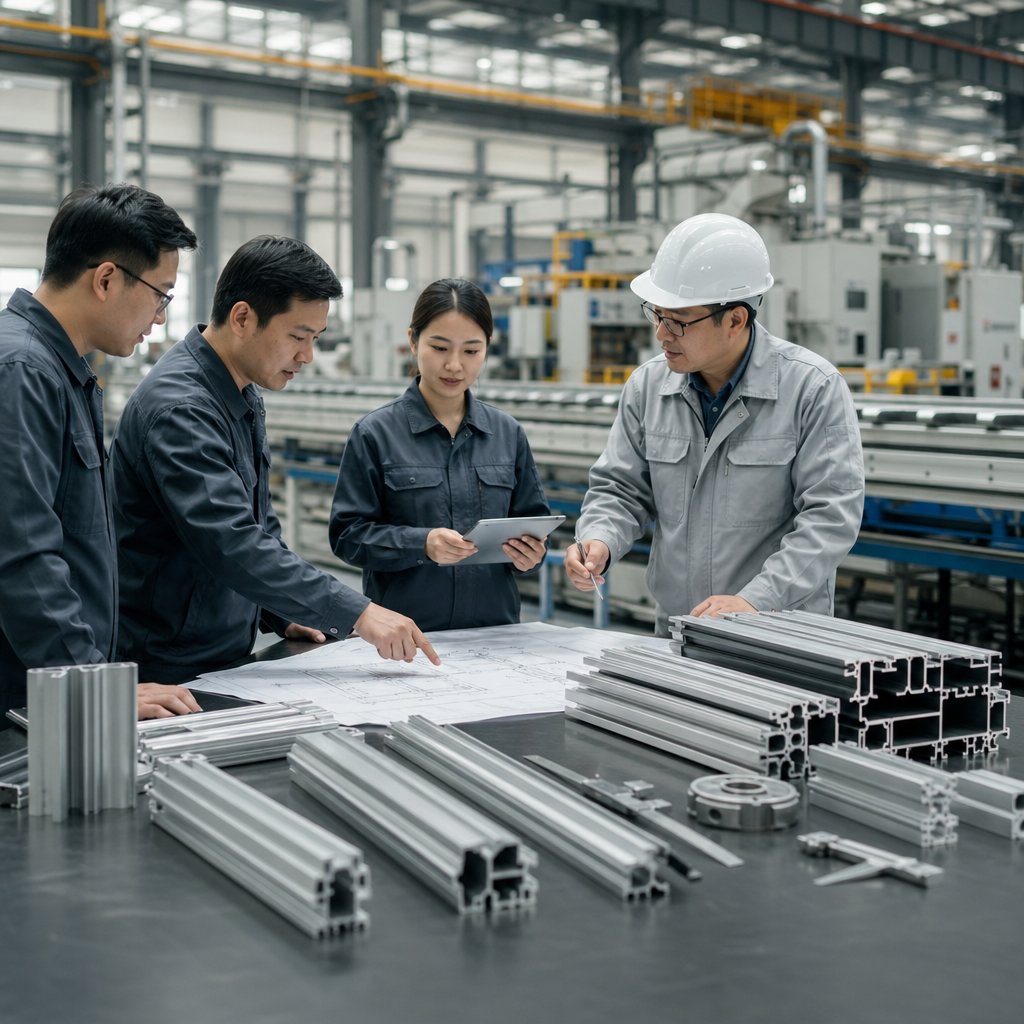
Search results often group producers, resellers, and listing sites under the same label. For engineering and procurement teams, that is where confusion starts. An aluminum extrusion manufacturer is not simply a company that sells profiles. It is the source that participates in making them and managing the production decisions behind them.
A true producer turns a profile drawing into finished extruded parts. As Gabrian explains, extrusion itself is the step where heated aluminum alloy is pushed through a die. In practice, the manufacturer of aluminum extrusions usually handles much more than that single press operation. The role commonly includes design review, die planning or creation, extrusion, heat treatment where applicable, surface finishing, fabrication, inspection, packaging, and shipment.
An aluminum extrusion manufacturer directly manages the tooling and production process that turns a profile design into shipped parts.
This distinction matters because many aluminum extrusion manufacturers appear in the same buying path as distributors and sourcing directories, even though their responsibilities are different.
| Entity type | Typical responsibilities | Buyer advantages | Common limitations |
|---|---|---|---|
| Manufacturer | Reviews drawings, develops or coordinates dies, runs extrusion, manages finishing, fabrication, inspection, packaging, and shipment | Direct technical feedback, fewer handoffs, clearer visibility into sampling and production changes | Capability still depends on press range, alloy experience, and in-house process scope |
| Distributor | Sells produced profiles, may stock standard shapes, may coordinate supply from producing mills or plants | Can simplify purchasing for common catalog items and consolidated orders | Usually has limited direct control over die development, production scheduling, and process adjustments |
| Directory | Lists suppliers and routes inquiries or RFQs | Useful for early market research and supplier discovery | Does not produce parts or control quality systems, tooling, or lead-time execution |
RPM notes that buyers may evaluate both manufacturers and distributors, but the right choice depends on what must be controlled. If your project needs die feedback, finish guidance, fabrication planning, or revision control, direct access to the producer changes the conversation. Fewer communication layers usually mean clearer answers on tolerances, sampling, inspections, and schedule impact. It also helps buyers ask practical questions early: Who manages die trials? Who stores the die? Who approves changes when drawings shift? Those answers become a lot more important once a profile starts moving from concept into plant workflow.
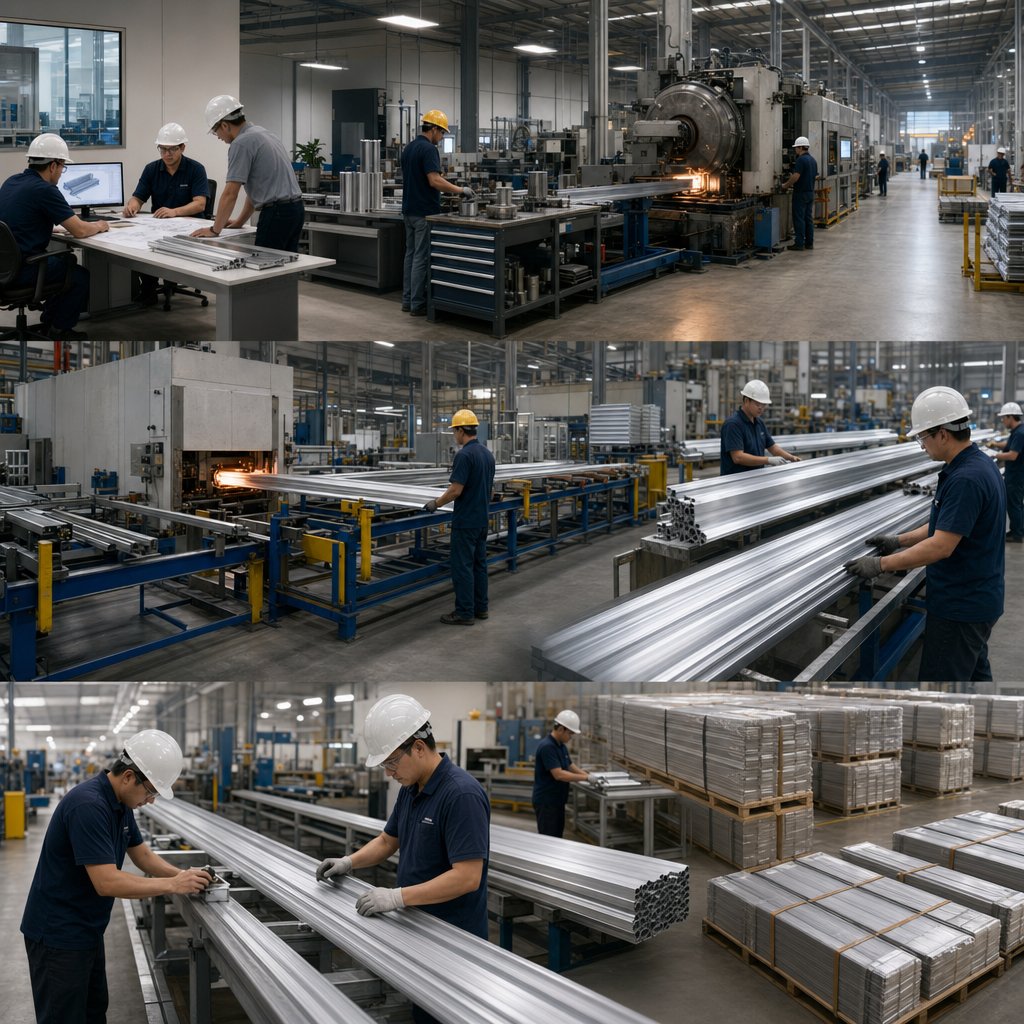
Direct access to the producer becomes most valuable when a drawing turns into plant work. In many aluminum extrusion manufacturing companies, the job moves through a defined sequence rather than jumping straight to the press. That sequence matters because early decisions on geometry, finish, and fabrication shape lead time, sampling, and even packaging.
The first pass is usually technical, not mechanical. Teams review the drawing, profile cross-section, alloy, temper target, finish, cut length, and any secondary operations. This is where unrealistic tolerances, difficult wall relationships, or finish choices that may clash with the alloy are often identified. A well-run review reduces surprises later, especially when buyers want aluminum extrusion turnkey manufacturing instead of managing multiple suppliers.
Once the profile is cleared, die work and press planning begin. A process summary from RapidDirect describes a typical flow that includes die preparation, billet preheating, pressing, quenching, shearing, cooling, stretching, final cutting, and aging where the temper requires it. Trial runs or first samples usually come before full production, because the die has to prove it can produce the required shape consistently.
Any change here can ripple outward. A die correction delays finishing. A late machining note can change fixturing and inspection.
After the profile is dimensionally stable, surface treatment, fabrication, and shipment prep move into focus. Guidance from SinoExtrud highlights common controls such as alloy verification, dimension checks, surface inspection, final packing inspection, and shipping documents.
The order is not arbitrary. If the profile is finished before key details are settled, or packed without clear protection rules, avoidable damage and rework can follow. That practical reality is also where a major sourcing choice starts to emerge: whether a stocked profile is enough, or whether custom tooling will create more value.
As production planning becomes real, one sourcing choice starts to matter more than most buyers expect: should you use an existing profile, or ask for a new one? That decision shapes tooling, lead time, revisions, and even how much fabrication happens later. For both engineering and purchasing teams, the best answer is usually the one that removes the most total complexity, not just the one that looks simplest on day one.
Standard extrusions use dies that already exist. Guidance from Akshar notes that this usually shortens early procurement and avoids custom die creation. If your design can work with common shapes such as angles, channels, tubes, or basic framing members, a stocked or established profile often makes sense.
This route is usually strongest when the project needs:
It is also a practical fit when design changes are still likely. Swapping cut lengths or adding secondary work is often easier than changing a newly developed die.
A custom profile becomes more attractive when the section itself can solve a design problem. A feature review in The Fabricator highlights how custom extrusions can integrate channels, reinforcement, and joining features directly into the shape. That is where a custom aluminum extrusion manufacturer can add real value.
Custom work is often justified when one profile can replace several parts, reduce welding or fastening, improve fit, or support a specific visual requirement. Many custom aluminum extrusion manufacturers also help teams judge whether a profile should carry more function in the die or leave certain details for post-extrusion machining.
| Decision factor | Standard or existing profile | Custom profile | What buyers should watch |
|---|---|---|---|
| Design freedom | Limited to available shapes and sizes | High flexibility for unique geometry and integrated features | Check whether an existing section already meets function |
| Tooling needs | Uses an existing die | Requires new die development | New tooling adds approvals and setup work |
| Change control | Easier to switch among available sections | Profile changes can trigger die revision or rework | Freeze key geometry before tooling release |
| Minimum order considerations | Often easier for smaller or urgent needs | May involve dedicated production minimums or order charges | Confirm production expectations early |
| Finishing compatibility | Generally suitable if the profile and alloy fit the finish | Can be designed with visible faces and joining details in mind | Review finish needs before profile approval |
| Total project complexity | Lower at the start, but may need more secondary work | Higher at the start, but may reduce assembly and fabrication later | Compare total process steps, not just die effort |
When talking with aluminum extrusion profile manufacturers, a simple test helps. Ask whether the custom section will do more than look different.
If the answer is mostly no, a standard section may be the smarter buy. If the answer is yes across several of those points, custom tooling may create more value than it first appears. The catch is that custom success depends on geometry being practical to extrude. Wall balance, corners, hollows, and tolerance expectations often decide whether a clever concept becomes a stable production profile.
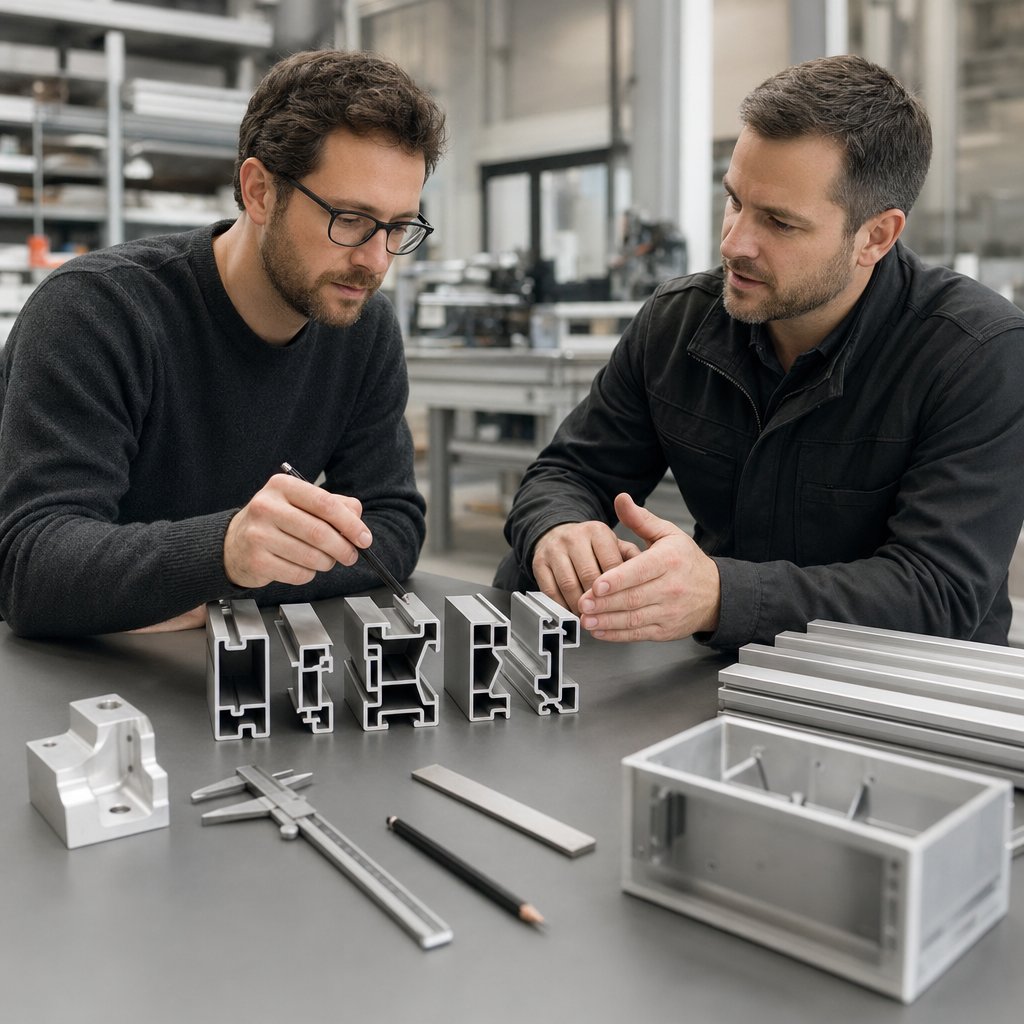
A custom section only creates value if it can run consistently in production. That is why an aluminum extrusion manufacturer studies geometry long before the first billet reaches the press. Small choices in the cross-section can affect die complexity, metal flow, straightness, visible surface quality, and how much secondary work the part needs later.
Wall balance is one of the biggest design levers. The DFM guide explains that large thickness swings can make metal move faster through heavy areas and lag in thinner ones, which raises the chance of distortion, surface defects, and chronic adjustment at the press. That is why many suppliers try to keep wall variation controlled and transitions gradual.
Complexity adds pressure in the same way. Deep grooves, stacked recesses, multiple cavities, and thin fins may look efficient in CAD, but they can demand slower run speeds and more die correction. A complex aluminum extrusion manufacturer will often ask whether every feature truly belongs in the die, or whether some details should be added later by machining.
Tolerances need the same kind of realism. The profile terminology guide notes that dimensional variation depends on shape complexity, alloy, and temper. In practice, tighter demands should be reserved for fit-critical features, not applied everywhere by default.
Corner design matters too. Guidance from Can Art recommends radii rather than sharp corners, with practical starting points often around 0.5 to 1 mm where space allows. Radiused corners support smoother metal flow, reduce local die stress, and usually help appearance after anodizing or powder coating.
Open shapes are generally simpler than enclosed ones. Solid sections tend to be easier to extrude than semi-hollow shapes, while hollow and multi-void profiles require more complex die arrangements and tighter control of straightness. That distinction matters when an aluminum extrusion die manufacturer evaluates risk before quoting.
Manufacturable profiles usually reduce risk in three places at once: tooling, production stability, and inspection.
Not every feature should be forced into the profile. An experienced aluminum extrusion tooling manufacturer or aluminum extrusion profile manufacturer may recommend moving tight holes, threads, narrow slots, or precision mating details to post-extrusion machining. That can sound like added work, but it often lowers overall risk by simplifying the die and improving repeatability.
Good DFM is not about making the shape less capable. It is about deciding which features belong in the extrusion and which belong in downstream operations. Geometry gets most of the attention, but the same profile can behave very differently once alloy and temper enter the conversation.
A profile can be easy to extrude on paper and still become the wrong part if the alloy is mismatched to the job. That is why buyers comparing a lightweight aluminum extrusion manufacturer usually need more than a weight-saving material. They need the right balance of strength, finish quality, corrosion behavior, and fabrication compatibility. For extrusions, the 6000 series is widely used because magnesium-silicon alloys offer strong extrudability, useful strength, and good corrosion resistance.
These priorities rarely move together perfectly. A grade chosen for structural duty may not be the best visual choice for a highly visible anodized surface. A grade selected for appearance may not be the best answer for a heavily loaded frame. The Aluminum Anodizers Council notes that alloy and temper affect both post-anodize strength and appearance, so identical finishing processes can produce different results from one alloy to another.
In practice, buyers often sort priorities like this:
Guidance from American Douglas Metals and Taber’s alloy overview points to three familiar options for many extrusion projects.
| Alloy | Surface finish potential | Structural use | Fabrication friendliness | Corrosion behavior |
|---|---|---|---|---|
| 6061 | Good, but usually not the first pick for the most appearance-critical profiles | Strong fit for general structural and higher-duty applications | Good machinability and weldability | Good corrosion resistance |
| 6063 | Excellent for smooth visible surfaces and anodized architectural parts | Better where strength is not the primary requirement | Very extrudable and commonly used for frames, trims, and similar profiles | High corrosion resistance |
| 6005A | Better mill surface finish than 6061 and good response to anodizing | Useful when more strength than 6063 is needed | Good bending capability, weldable, and suited to intricate extrusions | Excellent corrosion resistance |
If a buyer is specifically searching for a 6063 aluminum extrusion manufacturer, the part is often appearance-led: window and door framing, railings, decorative structures, or other profiles where finish quality matters. By contrast, 6061 is widely used when machining, welding, and structural performance carry more weight. 6005A often lands in the middle, especially for stronger profiles that still need good extrudability and finishing behavior.
Temper is not just a suffix added at the end of a grade. It affects how the profile performs after extrusion, heat treatment, fabrication, and finish. The same goes for surface treatment. AAC highlights that 6xxx alloys respond well to anodizing, while Taber notes that 6005A also offers good finishing characteristics and standard anodizing response.
That is why an aluminum alloy extrusion manufacturer should review alloy, temper, finish, and secondary operations together. Welding can reduce strength in some cases. Machining may favor 6061. A visible anodized profile may lean toward 6063 or 6005A. Leave those decisions vague, and the quote often becomes vague too, because material choice shapes tooling approach, finishing assumptions, and total production cost long before the first billet is heated.
The alloy and temper on a drawing do more than define performance. They also change material sourcing, die planning, finishing choices, and the amount of review needed before a supplier can quote with confidence. That is why two profiles with similar sizes can come back with very different prices and lead times.
A practical cost breakdown separates the main drivers into raw material, tooling, production, finishing, and shipping. Raw aluminum is typically the biggest cost element, and market pricing commonly follows the LME baseline plus regional or alloy-related additions. Custom dies, more complex profile geometry, smaller runs, special finishes, and added fabrication steps can all stretch lead time because they create more setup, approvals, and inspection work.
| Cost driver | Why it matters | How it increases coordination effort |
|---|---|---|
| Raw material and alloy | Commodity pricing and alloy choice affect base cost and process conditions | Requires material confirmation, temper alignment, and review if specifications change |
| Tooling and die work | Custom dies add engineering, machining, trials, and possible revision loops | Needs die approval, ownership clarification, and sample acceptance planning |
| Profile complexity and tolerances | More difficult shapes may run slower and need tighter process control | Creates more drawing review, tolerance discussion, and inspection planning |
| Order volume and forecast | Volume affects setup efficiency, scheduling, and tooling amortization | Suppliers need expected release patterns, not just a single quantity |
| Finish requirements | Anodizing, powder coating, or brushed surfaces add processing and appearance controls | May require color approval, finish samples, and separate quality criteria |
| Fabrication steps | Cutting, drilling, CNC machining, or bending add labor, fixtures, and checks | Often needs separate drawings, operation sequence review, and extra inspection points |
| Packaging and logistics | Protection method, freight mode, and destination affect landed cost and timing | Adds coordination for bundling, labeling, customs, and damage prevention |
| Certifications and documentation | Compliance records and traceability can be mandatory for some industries | Introduces document review, batch tracking, and release approvals |
Location changes the picture too. Buyers comparing aluminum extrusion manufacturers in USA with offshore sources should look at total landed cost, not just unit price. Freight, customs, packaging protection, and response time during problems all matter. A search for aluminum extrusion manufacturers near me can be useful when schedule control and easier quality follow-up are priorities.
Quote quality usually rises or falls with input quality. Guidance from QS&T warns that inaccurate drawings, missing tolerances, or the wrong drawing revision can trigger rework and delay delivery. Clear RFQ packages reduce that risk.
If you are contacting turnkey aluminum extrusion manufacturers, specify which steps you want bundled. Large aluminum extrusion manufacturers may also ask whether the job is a one-time release, a ramp-up program, or a recurring demand plan.
Secondary work often decides whether a quote stays simple or becomes a multi-stage project. The supplier selection guidance at Inquivix highlights common add-ons such as anodizing, powder coating, cutting, drilling, CNC machining, and assembly-related services. Each one can improve part readiness, but each also adds fixtures, scheduling dependencies, and more chances for confusion if the print is incomplete.
That is why itemized quotes are so useful. They show where the money and time are actually going, and they make it easier to compare local, regional, and overseas options on the same basis. Just as important, the quoting process reveals supplier fit. The companies that ask disciplined questions about drawings, tolerances, finishing, packaging, and documentation are usually easier to trust than the ones that reply fast but vaguely.
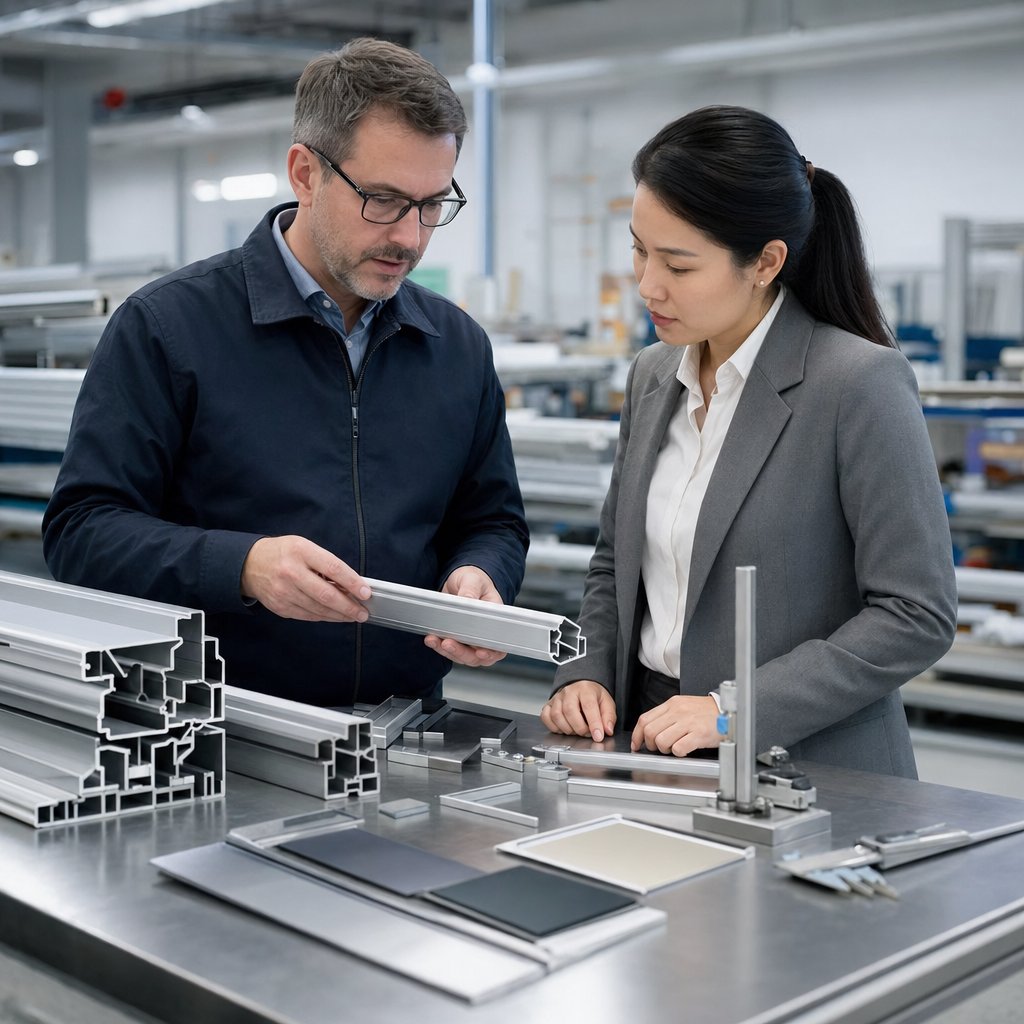
A fast quote can open the conversation, but it does not prove a supplier is the right fit. When buyers compare high quality aluminum extrusion manufacturers, the more useful question is simple: can this plant reliably make your profile, finish it correctly, inspect it properly, and communicate clearly when conditions change?
Start with production fit. A supplier checklist points buyers toward press tonnage, profile range, alloy familiarity, capacity planning, and drawing support before price. Those items affect whether a supplier can run the section at all, and whether repeat orders will stay stable.
| Criterion | What to verify | Why it affects fit |
|---|---|---|
| Press and profile range | Supported profile sizes, complexity, and available press capability | Prevents mismatches between drawing and plant capacity |
| Alloy experience | Regular work with your specified 6xxx grade and temper needs | Reduces risk in extrusion behavior, finishing, and fabrication |
| Tolerance control | How critical dimensions are identified and monitored | Protects assembly fit and lowers rework risk |
| Finishing options | Anodizing, powder coating, and cosmetic-face control | Important for architectural and visible parts |
| Fabrication support | Cutting, drilling, CNC work, welding, or assembly | Reduces handoffs and accountability gaps |
| Inspection methods | Use of calipers, CMMs, hardness, tensile, or alloy checks | Shows whether claims can be measured |
| Certifications | ISO 9001 and application-specific systems such as IATF 16949 where needed | Signals documented process control and traceability |
| Lead-time reliability | Capacity planning, scheduling discipline, and revision handling | Helps avoid avoidable delays during repeat production |
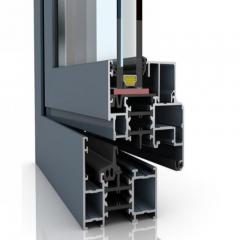
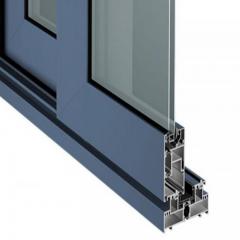
Integrated services matter more than many buyers expect. Both Yajia and PTSMAKE note that in-house finishing and downstream fabrication can reduce coordination and improve consistency. If you are sourcing from an aluminum window extrusions manufacturer, for example, appearance control and finish repeatability may matter just as much as base profile accuracy.
For strong yet lightweight structural components, one capability example worth reviewing is Shengxin Aluminum, among china aluminum extrusion manufacturers serving construction, transportation, and industrial machinery with custom profiles in varied shapes, sizes, and surface treatments. Even then, buyers should still verify application fit, documentation, and production communication.
Ask for proof, not slogans. Request samples, certification copies, inspection records, and a walkthrough or audit if the project is important enough. The inspection methods highlighted by PTSMAKE, including CMM measurement, hardness checks, tensile testing, and spectrometry, are useful signals when tolerances and alloy control matter. Suppliers that answer clearly, define limits honestly, and document what they can hold are usually easier to shortlist than those that only promise speed.
Clear answers help, but a shortlist only becomes useful when every supplier is measured against the same brief. That keeps engineering needs, purchasing priorities, and quote quality aligned. It also makes it easier to compare broad-market aluminum extrusions manufacturers with more specialized suppliers, including lightweight aluminum extrusion manufacturers for transportation or structural work.
A serious supplier discussion should move past price quickly. Ask about press or profile fit, alloy experience, minimum order expectations, secondary work, finishing, inspection methods, sample approval, documentation, and how drawing changes are managed. In practice, a high quality aluminum extrusion manufacturer is the one that explains limits clearly instead of hiding them behind a fast quote.
When you want to verify capability instead of relying on claims, review actual process scope, profile range, and downstream services. One conservative place to look is Shengxin Aluminum, which outlines custom profiles in varied shapes, sizes, and surface treatments for construction, transportation, and industrial machinery. Readers who need durable, corrosion-resistant aluminum extrusions can explore that resource after applying the selection framework. The best aluminum extrusion manufacturer for your job is still the one whose process transparency, documentation, and production communication match the project.
A true aluminum extrusion manufacturer usually supports the full production path, not just the extrusion step. That can include reviewing drawings, checking whether the shape is practical to make, planning or coordinating the die, producing samples, managing heat treatment where needed, arranging finishing, completing fabrication such as cutting or CNC work, inspecting the parts, and preparing them for shipment. This matters because buyers often need technical feedback before production starts, especially when profile geometry, surface finish, or packaging could affect part quality.
Start with function, not shape alone. A standard profile is often the better choice when the part can work with common channels, angles, tubes, or framing sections and when speed matters more than design optimization. A custom profile becomes more valuable when one extrusion can combine features, reduce machining, replace multiple parts, or simplify assembly. A useful test is to ask whether the custom section will remove enough downstream work to justify new tooling and added approval steps.
The best RFQs give the manufacturer enough context to quote the whole job, not just the raw shape. Send the latest drawing or CAD file, profile cross-section, critical dimensions, alloy and temper preference if known, finish requirements, cosmetic face notes, cut lengths, fabrication details, expected order pattern, packaging needs, ship-to location, and any certification requirements. If some items are still undecided, say that clearly. It helps the supplier separate confirmed requirements from points that still need engineering review.
These choices work together, so they should not be selected in isolation. Some alloys are often preferred for visible anodized parts because they support a cleaner appearance, while others are more commonly chosen when machining, welding, or structural performance is more important. Temper influences how the profile behaves after extrusion and during later operations. Finish choice matters too, because the same profile can look and perform differently depending on the alloy surface response and whether the part will be anodized, powder coated, or left with a mill finish.
Look past marketing claims and verify process fit. Ask for capability details on profile range, alloy experience, finishing options, fabrication support, inspection methods, certifications, sample handling, revision control, and packaging practices. It is also smart to review how the supplier communicates during design changes and whether documentation is clear before production begins. For buyers comparing options in construction, transportation, or industrial machinery, Shengxin Aluminum is one example of a factory to review for custom profile, size, and surface treatment capabilities at https://www.shengxinaluminium.com/. As with any supplier, confirm application fit, technical documentation, and communication quality before moving forward.



 Інтернет-сервіс
 0086 136 3563 2360
 sales@sxalu.com
 +86 136 3563 2360
 Українська
 English
 français
 Deutsch
 русский
 español
 português
 العربية
 ไทย
ไทย Việt
Việt