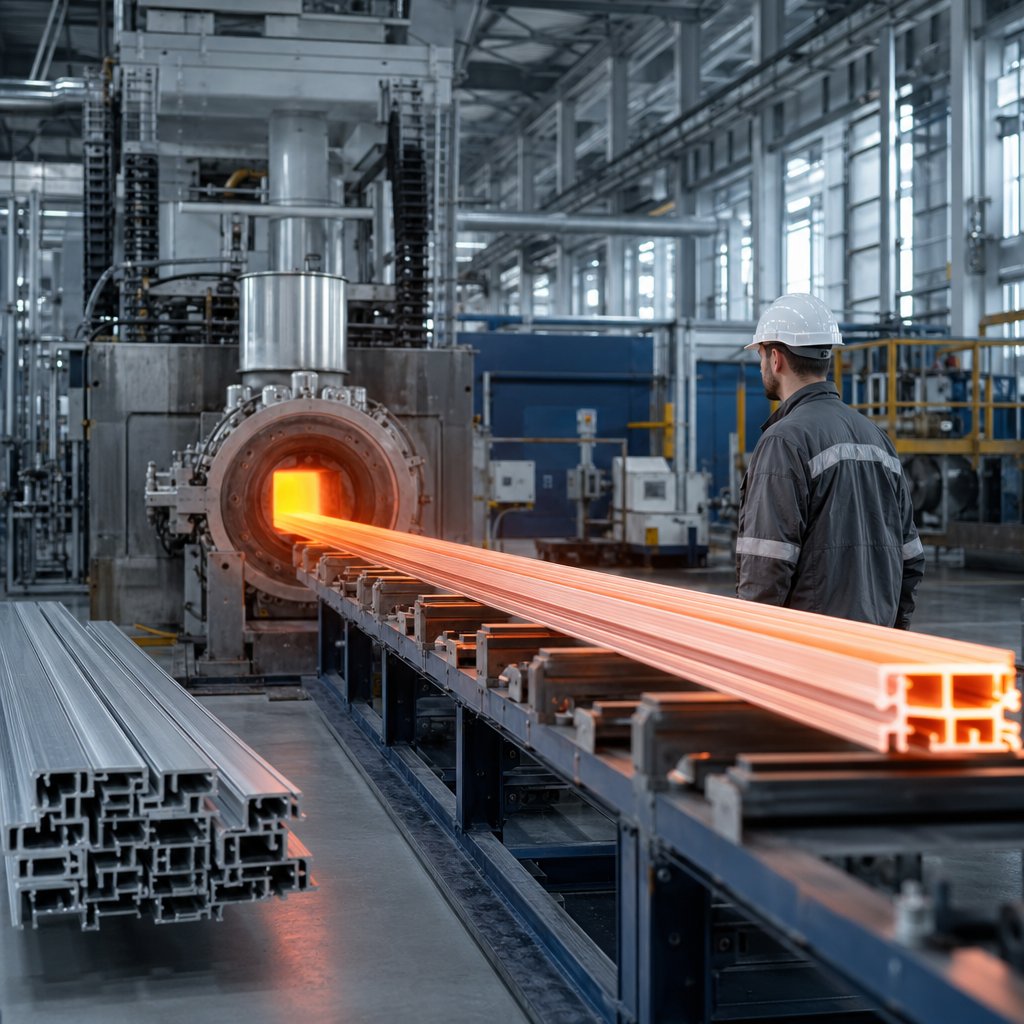
Searches for an aluminum extruder often mix three different ideas into one phrase. That sounds minor, but it can send a buyer to the wrong supplier, the wrong machine category, or even the wrong process discussion. A clear definition saves time before drawings, tooling, and quality requirements enter the picture.
An aluminum extruder can mean the machine that pushes heated aluminum into shape, the company that provides extrusion work, or the extrusion process itself. In plain English, aluminum extrusion is a manufacturing method that forces softened aluminum through a shaped opening so it comes out as a long, consistent part.
That is why a beginner asking what is an aluminum extrusion may want a simple process explanation, while an engineer may actually be evaluating press capacity, die support, or finishing options from a supplier. In everyday sourcing, those are very different conversations.
These terms are related, but not interchangeable. Extrusion is the process. The press is the core machine that applies force. The extruder may refer to the press itself or to the company operating it. Industry references from AEC and press basics both describe a hydraulic system pushing a heated aluminum billet through a die to create a continuous profile.
That shaped output is the profile. The raw feedstock is the billet. The opening that gives the part its cross-section is the die. If you have ever wondered what is extruded aluminum, it is simply aluminum that has been formed this way.
Precise wording changes the result you get. Someone searching for an aluminum extruder might need:
That distinction becomes even more important once the discussion shifts from terminology to the actual path from billet heating to the finished profile leaving the press.
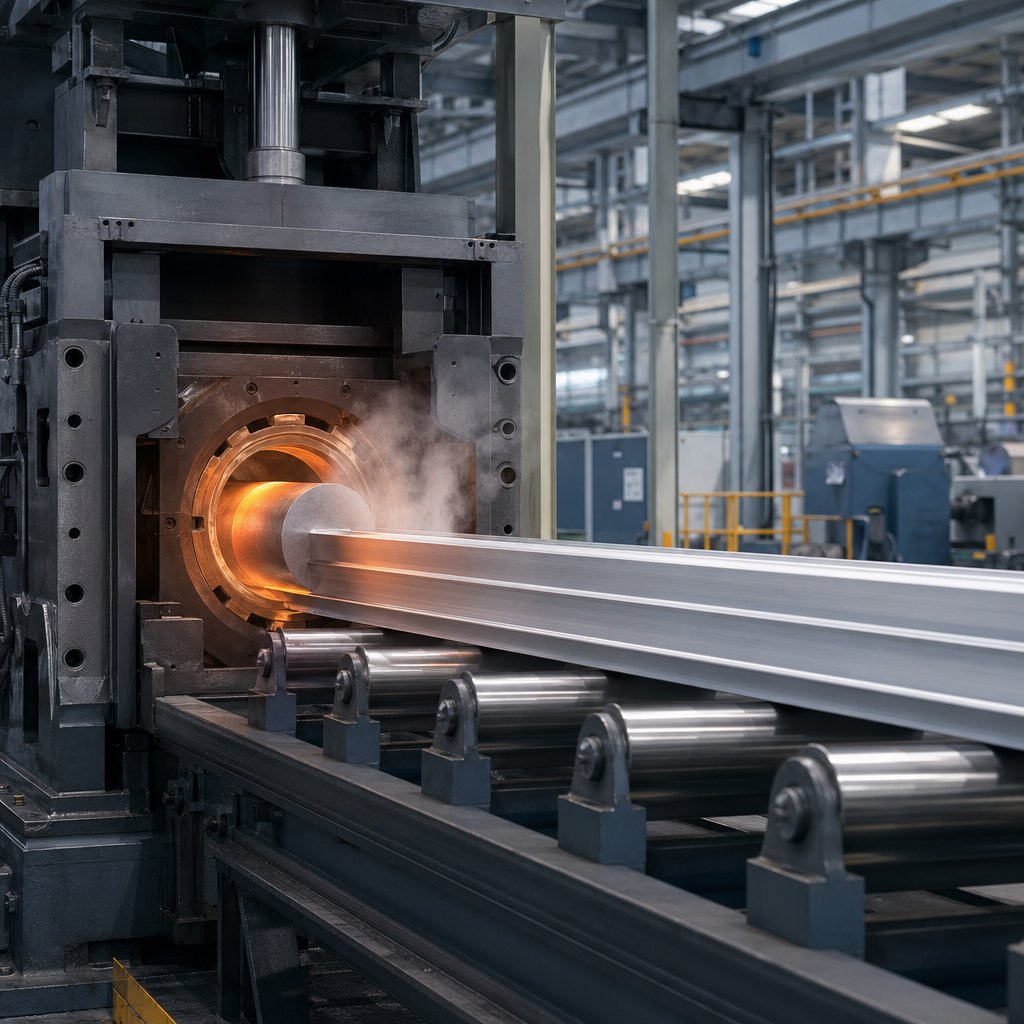
In the plant, all those search meanings converge into one real workflow. A cylindrical billet is prepared, pushed through a die, and turned into a long profile with the same cross-section from end to end. That sounds simple, but each step influences straightness, surface quality, and final temper.
Most aluminum extrusion lines follow a similar sequence. Process guides from Proax, RapidDirect, and ADM place billet preheating at about 400 to 500 C, or roughly 750 to 900 F, to make the metal pliable without melting. RapidDirect also notes die preheating around 450 to 500 C.
The die defines the cross-section. The extrusion press provides the force. In direct extrusion, the ram pushes the billet through a stationary die. In indirect extrusion, the die assembly moves against the billet, which can reduce friction and improve heat control. Whether someone searches for an aluminum extrusion press machine, an aluminum extrusion press, or an aluminium extrusion press, they are usually talking about this high-force shaping stage. Large hydraulic systems work in the range of thousands of tons, and RapidDirect gives one example of about 15,000 tons.
It also helps to remember that the full aluminum extrusion machine is more than the press alone. Handling, cooling, stretching, sawing, and aging equipment all affect whether the profile stays usable after it leaves the die.
Freshly extruded metal is still hot, soft, and vulnerable to distortion. A puller helps guide it. Quenching controls cooling rate. Stretching relieves some stress and corrects bow or twist. Final sawing sets part length. If higher strength is needed, the profile may be aged to tempers such as T5 or T6, and finishing steps like anodizing, painting, or powder coating can follow.
| Stage | What happens | Quality factors influenced |
|---|---|---|
| Billet preheat | Billet is heated to a workable range | Metal flow, surface condition, dimensional stability |
| Die preheat and loading | Die is warmed and installed | Flow balance, die life, profile consistency |
| Pressing | Ram forces billet through the die | Shape accuracy, wall fill, surface marks |
| Exit handling | Profile is supported as it emerges | Straightness, edge damage, distortion risk |
| Quenching | Profile is cooled by air or water-assisted methods | Temper response, grain structure, mechanical properties |
| Initial shearing | Long length is cut from the runout table | Handling damage, process flow, length control |
| Stretching | Twist and bow are corrected | Straightness, residual stress, tolerance hold |
| Final cut and aging | Parts are cut and optionally heat treated | Final dimensions, strength, downstream machining and finishing fit |
That is where process basics start giving way to design reality, because not every shape flows through a die with the same ease.
Shape is where extrusion stops being generic. Two parts may use the same press, the same alloy family, and the same finish line, yet one runs smoothly while the other fights the die at every step. For buyers reviewing aluminum extrusion profiles, geometry is often the first clue to cost, consistency, and cosmetic risk.
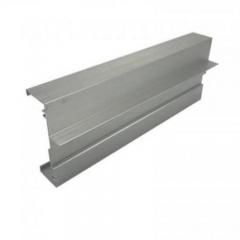
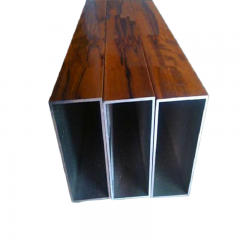
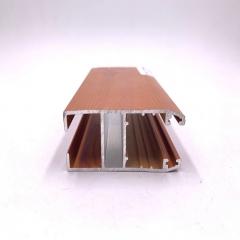
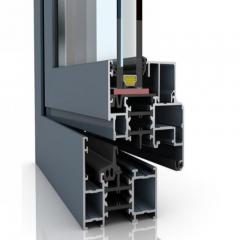
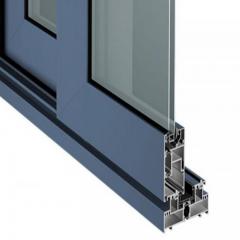
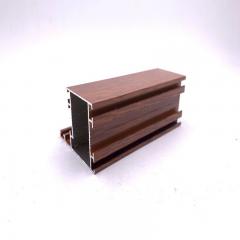
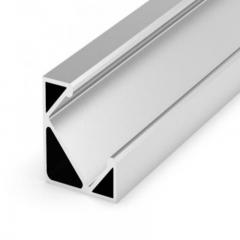
Most aluminum profiles fall into three broad families described by Bonnell Aluminum and reflected in the Shengxin guide: solid, semi-hollow, and hollow. A solid section has no enclosed void. A hollow section fully encloses one or more voids. A semi-hollow partially encloses a void, which makes metal flow harder to balance than in a simple solid.
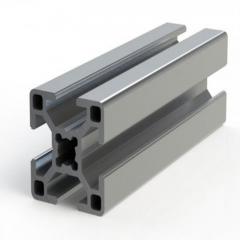
Those familiar forms cover a wide range of aluminum extrusion shapes. Even a common framing member can vary a lot in difficulty. A 2020 aluminum extrusion, for example, may look straightforward in a catalog, but slot depth, internal corners, and wall balance still affect how repeatably it can be made.
Section family matters because it changes die design and tolerance risk. Solids are usually the easiest to control. Semi-hollows introduce gap-related flow challenges. Hollows can require bridges, ports, and more careful balancing, especially when multiple voids are involved. Bonnell also separates hollows into classes based on void geometry and size, which is a reminder that not all hollows behave the same way in production.
| Profile type | Typical section features | Die complexity | Tolerance sensitivity | Typical application categories |
|---|---|---|---|---|
| Solid | Flat bars, simple angles, rods, open sections | Low to moderate | Lower, though visible faces still need care | Construction trim, brackets, simple framing, transport supports |
| Semi-hollow | Returned legs, slot features, partially enclosed spaces | Moderate to high | Moderate to high, especially near gaps and thin returns | Framing systems, clips, light enclosures, assembly-oriented sections |
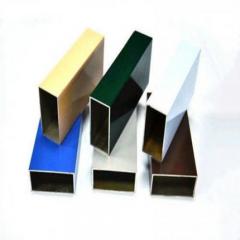
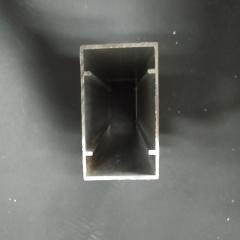
| Hollow, single void | Round or rectangular tubes | High | High for wall balance, straightness, and seam consistency | Construction systems, transport rails, structural members, housings |
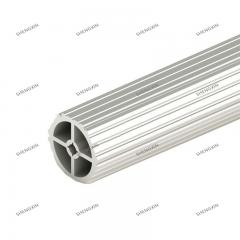
| Hollow, multi-void | Multi-cavity profiles and enclosure sections | Very high | Very high, especially on internal dimensions and finish uniformity | Window systems, enclosures, transport components, complex profiles |
Alloy choice shifts the tradeoff again. Bonnell notes that 6xxx alloys are the most common extrusion class and are valued for strength, corrosion resistance, formability, machinability, and weldability. Within that family, 6063 is typically used in moderate-stress applications, while 6061 is typically selected for structural uses because it has higher mechanical properties than 6063. The Shengxin reference also places 6063-T5 closer to high-finish architectural work and 6061-T6, 6005A-T6, and 6082-T6 closer to heavier-duty service.
That is why comparing extruded aluminum profiles or extruded aluminium profiles is never just a shape exercise. The same aluminum profile can behave very differently depending on alloy, temper, and finish expectations. And once geometry starts pushing die difficulty, small drawing choices like wall balance, radii, and symmetry stop being minor details.

A profile can look clean in CAD and still be difficult to run well on the press. That gap matters. For engineers reviewing extrusion profiles, small drawing decisions often decide whether a shape flows evenly, holds tolerance, and leaves the line ready for finishing or machining. That is where precision extrusion becomes less about theory and more about design discipline.
Simpler, more balanced shapes are usually easier to extrude consistently, easier to keep straight, and easier to finish without costly correction.
Practical design starts with flow. The Get It Made guide recommends simple geometry, symmetry, and fewer cavities because complex shapes are harder to push through the die and place more stress on the tooling. Open sections are usually more forgiving than heavily enclosed forms, and deep channels or narrow pockets raise difficulty quickly.
That is why standard aluminum extrusion sizes are not automatically easy, and familiar extruded aluminum sizes can still become troublesome when slot depth, voids, or asymmetry are pushed too far.
Wall thickness is one of the biggest control levers. Both reference sources note that more uniform walls help aluminum flow at a steadier rate. When thick and thin areas sit side by side, wider areas can flow faster, thinner areas slower, and cooling becomes uneven. The result can be twist, bend, or warping.
The same design guide suggests adding about 0.5 mm to 1 mm radii on sharp corners, and using a dogbone-style relief when a mating part needs a squarer internal fit. A Silver City Aluminum note adds another useful reality check: extremely sharp tool corners below .005 in are not achievable in normal wire EDM-cut tooling.
Tolerances deserve the same restraint. The Silver City reference points designers toward the Aluminum Association's Aluminum Standards and Data publication and notes that larger dimensions generally require wider tolerance ranges. In practice, nominal catalog numbers such as 2020 extrusion dimensions are only the start. If a team copies 2020 aluminum extrusion dimensions into a custom drawing, it is smarter to tighten only the features that control fit, fastening, sealing, or alignment.
That last step is often missed. A profile intended for cut-to-length work, punched holes, assembly, or coating should be designed with those downstream operations in mind from the beginning. The drawing then becomes more than shape control. It becomes a map for tooling effort, machining time, finish risk, and ultimately where the project spends its money.
This is where drawing choices turn into budget decisions. A profile may be easy to extrude on paper and still become expensive for reasons that have little to do with the press itself. For teams evaluating an aluminium extruder, the key is to separate one-time setup cost from the cost that repeats with every part, every finish step, and every shipment.
The first bucket is tooling. A custom aluminum extrusion usually needs a dedicated die, and die cost rises when the shape gets larger, less symmetrical, or more complex. Gabrian places typical die costs for normal architectural and industrial profiles at about $400 to $1,000, while larger parts run on 2,000 to 4,000 ton presses can reach about $2,000. That expense is often one-time, but it changes how affordable a short run feels.
Quote structure matters just as much as die price. Yaji Aluminum notes that some suppliers charge tooling upfront, while others amortize it into the part price. If two quotes use different methods, the lower unit price may not actually be the lower total cost. Buyers also need to watch the recurring side of the equation: raw material, press time, scrap, labor, and utilities. Gabrian notes raw aluminum has moved roughly from $1,500 to $3,500 per metric ton in recent years, so material volatility can outweigh small tooling differences over time.
Volume changes the picture because the same die can support repeat production. As order quantities grow, tooling is spread across more pieces. Then the quieter costs start to dominate. Secondary work such as cutting, drilling, CNC machining, bending, temper treatment, anodizing, and powder coating can reshape the economics of extrusion manufacturing very quickly.
Gabrian reports anodizing and powder coating can add about $1,200 to $1,400 per metric ton, alodine about $800 per metric ton, and simple drilling around $200 to $300 per metric ton. Those figures help explain why an inexpensive extruded metal section can become a costly finished part if too many features are left for downstream operations. In many aluminum extrusion applications, it is smarter to put useful geometry into the profile itself, such as slots, tracks, or joining features, rather than machine everything later. Still, if demand is uncertain, a simpler profile plus light fabrication may be the safer spend.
Extrusion is strongest when the part has a constant cross-section, benefits from near-net shape, and can use a good as-extruded surface. Howard Precision describes aluminum extrusion as a competitive option for complex cross-sections, with lower introductory tooling than casting in many cases. But it is not the automatic winner. Casting can make more sense for very large parts, high production runs, or shapes with non-uniform thicknesses. Machining from solid may still be the cleanest path for prototypes, very low quantities, or features that do not fit the logic of a continuous profile.
| Process option | Shape efficiency | Material waste | Tooling intensity | Finish potential | Production fit |
|---|---|---|---|---|---|
| Custom aluminum extrusion | High for constant cross-sections and near-net profiles | Generally low compared with machining from solid | Moderate upfront die cost | Good as-extruded surface, often suitable for anodizing or powder coating | Best for repeat lengths, custom profiles, and parts that benefit from built-in features |
| Machining from solid stock | Lower for long, uniform profiles because shape is cut away | Higher, since material is removed as chips | Low startup tooling, but recurring machine time can be high | Can achieve precise local features, but finish depends on machining steps | Best for prototypes, low volume, or parts with localized features not worth extruding |
| Aluminum casting | Good for large or non-uniform shapes that are not constant in section | Near-net, but may still need cleanup and machining | Higher introductory tooling than extrusion | Surface often needs machining or fettling; porosity is also a consideration | Best for high runs, very large parts, or shapes better suited to molds than dies |
| Standard inventory profile plus fabrication | Efficient only if an existing section is already close to the need | Can stay reasonable, but extra cuts and holes add labor | Very low or no new die cost | Depends on stock profile condition and added finishing steps | Best when regular inventory works and customization needs are limited |
The cheapest route on the quote sheet is not always the cheapest route to a usable part. If the process fit is wrong, savings disappear into straightness correction, cosmetic cleanup, machining allowances, or rejected pieces. That is where cost and quality stop being separate conversations.
A low quoted profile stops looking cheap the moment it needs sorting, re-cutting, or cosmetic rework. In aluminum extrusion manufacturing, defects rarely come from one source alone. A peer-reviewed extrusion chapter groups the main root causes into material, die condition, process settings, and post-extrusion handling. That is why the same visible flaw can begin in the billet, inside the die, or on a worn conveyor long after the profile leaves the press.
Some issues show up immediately. Others stay hidden until anodizing, cutting, or assembly makes them obvious. Common problems include dents, scratches, blistering, tearing, water marks, streaking lines, dimensional shape error, backend defects, and soda marks. A few are mostly cosmetic. Others directly affect fit, finish, or downstream use across aluminum extrusion parts.
| Visible issue | What it usually looks like | Likely causes to investigate first |
|---|---|---|
| Dimensional drift or shape out | Cross-section runs oversize, undersize, or out of form | Worn die bearing, oversized die aperture, uneven metal flow, mandrel deflection on hollow sections, unstable pressure |
| Straightness, bow, or twist | Profile will not lie flat or align in fixtures | Uneven cooling, asymmetric contraction, insufficient stretching, poor handling on the runout table |
| Scratches or dents | Surface marks, drag lines, local depressions | Rough conveyor surfaces, saw chips, worn rollers, improper stacking, rough manual handling |
| Bubble or blister | Raised areas aligned with the extrusion direction | Gas in incoming billet, poor billet quality, inclusions, subsurface defects |
| Tearing or speed cracks | Fine transverse cracks, often near edges | Exit temperature too high, excessive ram speed, high friction at the die bearing |
| Finish inconsistency | Streaks, water marks, dull lines, soda marks after finishing | Microstructure variation, moisture entrapment, backend defect, delayed rinsing after etching, finish-line control issues |
Recurring defects often start before the first billet is loaded. Die design guidance points to flow balance, wall thickness consistency, dimensional tolerances, surface quality, and extrusion speed stability as core die-controlled factors. Incorrect bearing lengths, uneven metal distribution, poor internal die finish, or weak allowance for thermal expansion can turn a workable drawing into unstable production.
Then the line itself adds another layer. The same extrusion reference links quality loss to billet condition, ram speed, temperature control, cooling, stretching, and maintenance. In practice, neglected aluminum extrusion equipment often leaves a signature of its own: worn belts scratch profiles, weak cooling changes straightness and temper response, and saw debris can damage parts moments before inspection. That is why a machined aluminum extrusion can still miss fit or finish targets even when the machining program is correct. The defect may already be built in before aluminum extrusion machining begins.
Inspection works best as a chain of checks, not a final gate. Before a profile becomes a machined aluminum extrusion or moves into finishing, buyers and shops usually want basic certification records, lot traceability, and tolerance verification tied to the drawing and agreed quality documents. General systems such as ISO 9001, control plans, and PFMEA help make those checks consistent rather than reactive.
That last layer is where rework either multiplies or stops. If a supplier cannot explain how it checks flow stability, documents traceability, and reacts when tolerance starts drifting, the quality risk is already visible long before the purchase order is placed.
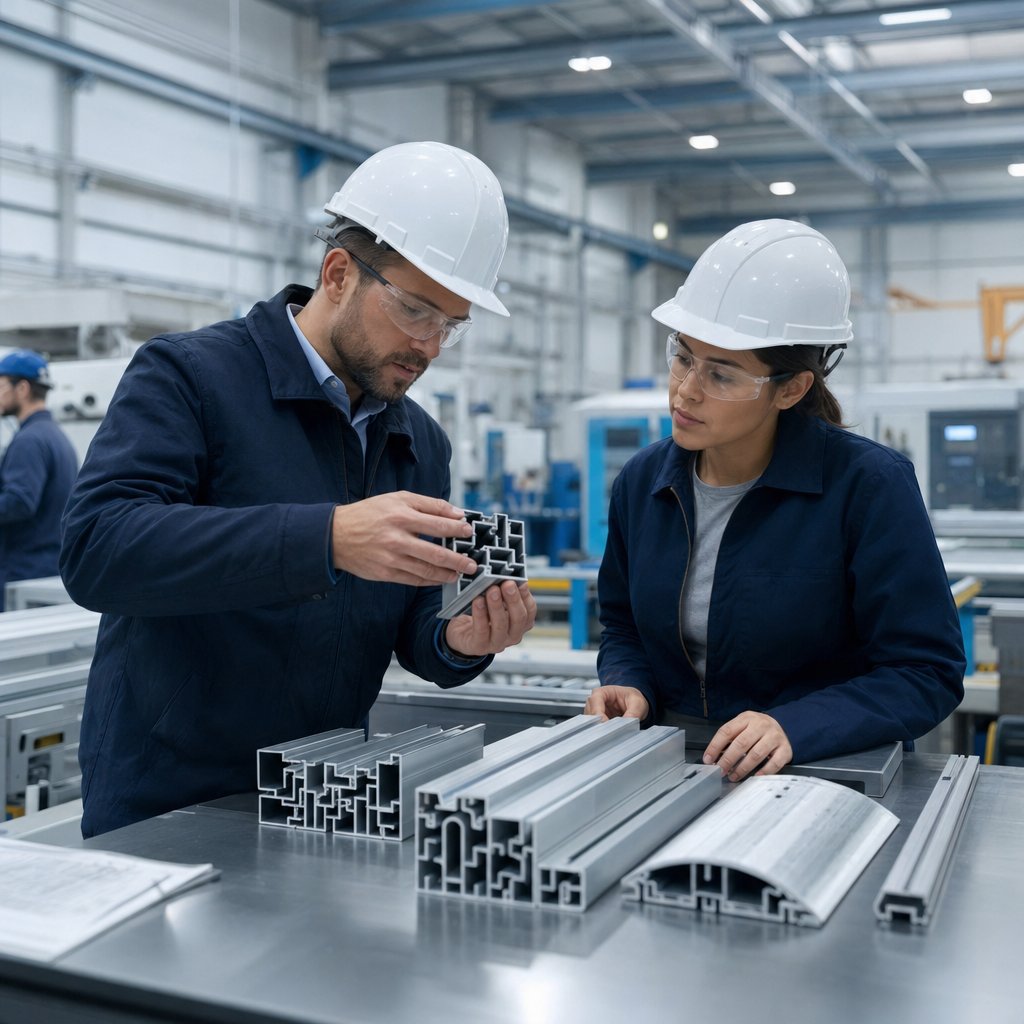
A weak supplier often reveals itself before tooling starts. The quote comes back quickly, but questions about tolerances, traceability, machining, or finish control stay fuzzy. For buyers wondering where to buy aluminum extrusion or where to buy extruded aluminum, the better question is this: which supplier can prove it can make your profile the way your project actually needs it?
That distinction matters because many custom aluminum extruders can run a shape, while far fewer can manage the full chain from die review to export packaging. A trader may fit some jobs, but a true aluminum profile manufacturer usually gives clearer accountability when dimensional control, finish quality, and delivery risk are serious. Screening points in this audit checklist and this supplier guide line up on the same basics: verify capability first, then compare price.
Before you ask for pricing, check whether the supplier is equipped for your part, not just for aluminum in general. Review export experience, certifications, press range, die support, and whether critical processes are kept in-house.
| Supplier checkpoint | What to verify | Why it matters | Useful evidence |
|---|---|---|---|
| Business and export fit | Legal registration, export history, target industries | Reduces compliance and documentation risk | Business license, customer regions, customs document examples |
| Press capability | Press tonnage, profile size limits, capacity flexibility | Your section must match the available press window | Press list, monthly capacity, and whether the plant covers the 600 to 2,500 ton range seen in well-equipped facilities |
| Tooling and engineering | Die design support, drawing review, prototyping | Early feedback lowers die revision risk | DFM comments, sample die timelines, profile optimization advice |
| Alloy and material control | Alloy and temper options, billet traceability | Material consistency affects fit, strength, and finish | Material certs, lot tracking, incoming inspection process |
| Machining and fabrication | CNC cutting, drilling, tapping, deburring, assembly support | Fewer handoffs mean fewer delays and mismatch issues | Machine list, part examples, tolerance records |
| Surface finishing | Anodizing, powder coating, color and thickness control | Finish problems often appear late and cost more to fix | Finish specs, line photos, salt spray or coating checks where relevant |
| Inspection system | ISO 9001, ISO 14001, and IATF 16949 if automotive applies | Shows process discipline and traceability | Certificates, CMM or dimensional reports, tensile, hardness, or finish test capability |
| Communication and logistics | English contact, response speed, packaging, escalation path | Small issues turn expensive when communication is slow | Named account lead, packaging photos, audit video, clear issue process |
Vague RFQs create vague quotes. If you are comparing custom aluminum extrusions suppliers, send the same revision-controlled package to each one. That gives you apples-to-apples feedback on tooling, lead time, and downstream work.
Every outsourced step adds another handoff. When aluminum extrusion services are split across multiple vendors, accountability can get blurry fast. One shop blames the press, another blames the machining stock allowance, and the finisher blames the surface condition it received. That is why buyers should ask whether the supplier is just sourcing profiles or is an aluminum profile manufacturer with real downstream control.
For teams that want a concrete example of an integrated route, Shengxin Aluminium presents a useful benchmark. It reports more than 30 years of manufacturing experience, 35 extrusion presses, precision CNC machining, and multiple anodizing and powder coating lines. That kind of setup can make sense for construction and automotive programs that benefit from one supplier handling raw material through finished components.
Not every project needs that scale, but the lesson is broad. Strong aluminum extrusion services are not just about pushing metal through a die. They depend on how well extrusion, machining, finishing, inspection, and communication stay connected. A shortlist built on those proof points is far more useful than a long vendor list, especially when application fit becomes the deciding factor.
A part that looks simple on paper can call for very different production strength in real life. A rail for aluminum framing, a finished architectural member, and tighter-tolerance automotive extrusions do not ask the same things from tooling, machining, finishing, or inspection. Some buyers only need raw extruded aluminum lengths. Others need aluminum extrusions delivered cut, machined, coated, labeled, and ready for assembly.
Application fit should shape the shortlist first. Guidance from Inquivix and the project checklist at Profile Precision Extrusions points to the same starting package: define alloy, temper, tolerances, finish, quantity, machining needs, and shipping expectations before you compare quotes. That matters whether the job is industrial aluminium extrusion for equipment frames, construction profiles, or appearance-sensitive parts.
The best aluminium extruder fit depends on geometry, quality expectations, secondary operations, and communication, not just headline capacity.
For buyers who want one aluminum profile supplier to cover more of the route, Shengxin Aluminium is a useful example resource. Its published capability includes over 30 years of experience, 35 extrusion presses, precision CNC machining, and multiple anodizing and powder coating lines, which is relevant for custom profiles and finished components in construction and automotive work.
A shortlist becomes far more useful when each supplier responds to the same RFQ with the same assumptions. The right aluminum profile supplier is the one that can explain, plainly and consistently, how your drawing will become a repeatable production part.
In real sourcing, the term usually points to one of three things: the machine that forms heated aluminum, the supplier that runs extrusion jobs, or the extrusion process itself. That distinction matters because a buyer looking for plant equipment needs very different information than a team trying to source finished profiles. If your goal is to purchase parts, the more useful focus is usually supplier capability, quality control, finishing options, and whether the company can support your exact drawing.
An extrusion press uses force to push a heated aluminum billet through a die, which gives the material its cross-sectional shape. After the profile exits the die, it still needs careful support, cooling, straightening, and cutting before it is ready for aging, machining, anodizing, or coating. In other words, the press is the core forming step, but the final result also depends on die design, temperature control, exit handling, and post-press processing.
Most extruded shapes fall into solid, semi-hollow, or hollow categories. Solid profiles are generally easier to produce consistently, while hollow and multi-void shapes call for more complex dies and tighter flow control. On the material side, 6xxx series alloys are widely used because they offer a practical balance of strength, corrosion resistance, machinability, and finish quality, but the right choice still depends on whether the part is structural, cosmetic, or assembly-focused.
The biggest cost split is between one-time tooling and recurring part cost. A simple profile may keep die expense under control, but total project cost can still rise through machining, drilling, coating, packaging, scrap, and tight inspection requirements. Geometry also matters: the more difficult the section is to run, the more likely it is to add die complexity, slower production, and downstream correction work.
Start by checking whether the supplier can actually support your part, not just aluminum in general. Look for press capability, die engineering, alloy traceability, inspection systems, and whether machining and finishing are handled in-house. A strong RFQ should include revision-controlled drawings, alloy and temper, finish requirements, critical tolerances, cut lengths, quantity expectations, secondary operations, inspection needs, and packaging details. If you want a single-source benchmark, Shengxin Aluminium is one example of an integrated setup, with over 30 years of experience, 35 extrusion presses, CNC machining, anodizing, and powder coating listed as part of its in-house route.



 Інтернет-сервіс
 0086 136 3563 2360
 sales@sxalu.com
 +86 136 3563 2360
 Українська
 English
 français
 Deutsch
 русский
 español
 português
 العربية
 ไทย
ไทย Việt
Việt