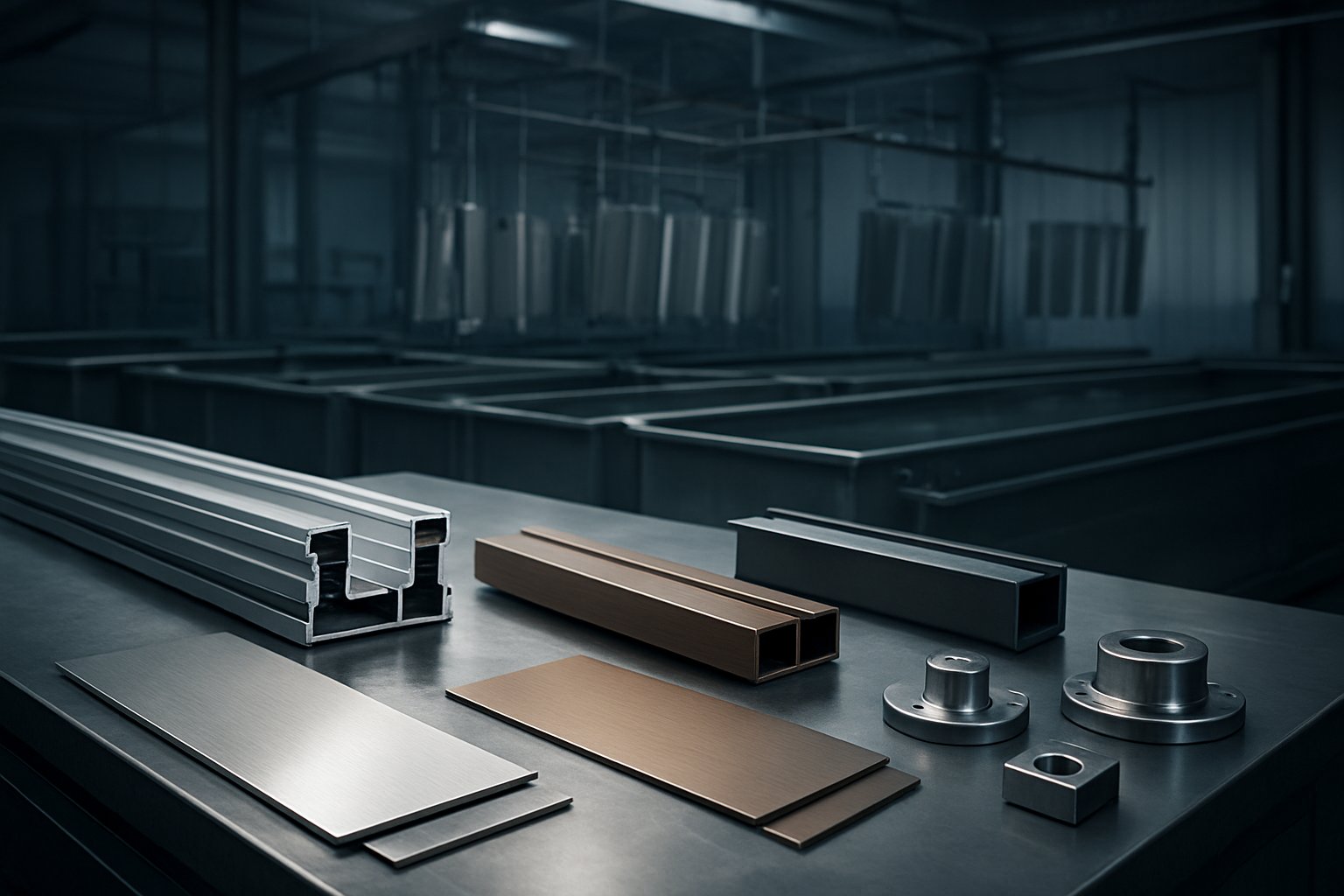
At first glance, aluminium anodizing sounds like a coating step. It is not. If you are asking what is anodizing, the simplest answer is that it is a controlled electrochemical treatment that grows aluminum's own protective oxide layer instead of covering the metal with paint or another separate film.
Aluminium anodizing is an electrochemical process that thickens and stabilizes aluminum's natural oxide layer, creating a surface that is more durable, more corrosion-resistant, and often ready for color and sealing.
That distinction is the real anodized meaning buyers often miss. Xometry describes the new oxide layer as part of the aluminum itself, not a coating sitting loosely on top. Before sealing, that layer is porous, which is why anodized aluminum can also be dyed for decorative finishes.
So, what is anodized aluminum in practical terms? It is aluminum with a thicker, more ordered oxide surface. That changes several things people care about right away. The part can keep a metallic look or take on color. It becomes more wear-resistant than bare metal. It handles weather and corrosion better. It also becomes less electrically conductive because aluminum oxide acts as an insulator. Whether someone searches what is anodized aluminum or what is anodised aluminium, the functional answer is the same: the surface has been chemically strengthened, not simply painted.
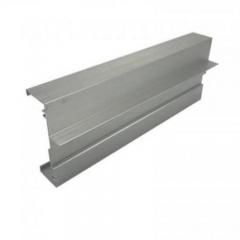
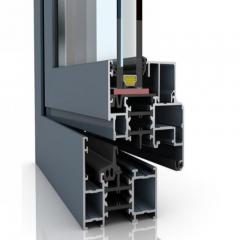
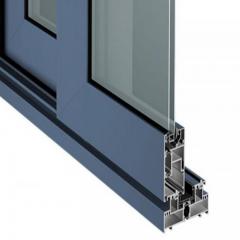
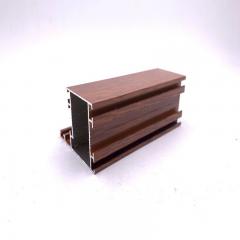
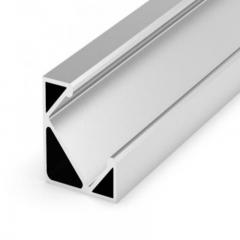
That is why aluminum anodizing appears on architectural trim, electronics housings, cookware, and extrusion profiles. Even so, two parts can look different after the same finish callout. Alloy chemistry, cleaning, bath conditions, coloring, and sealing all leave a mark on the result.
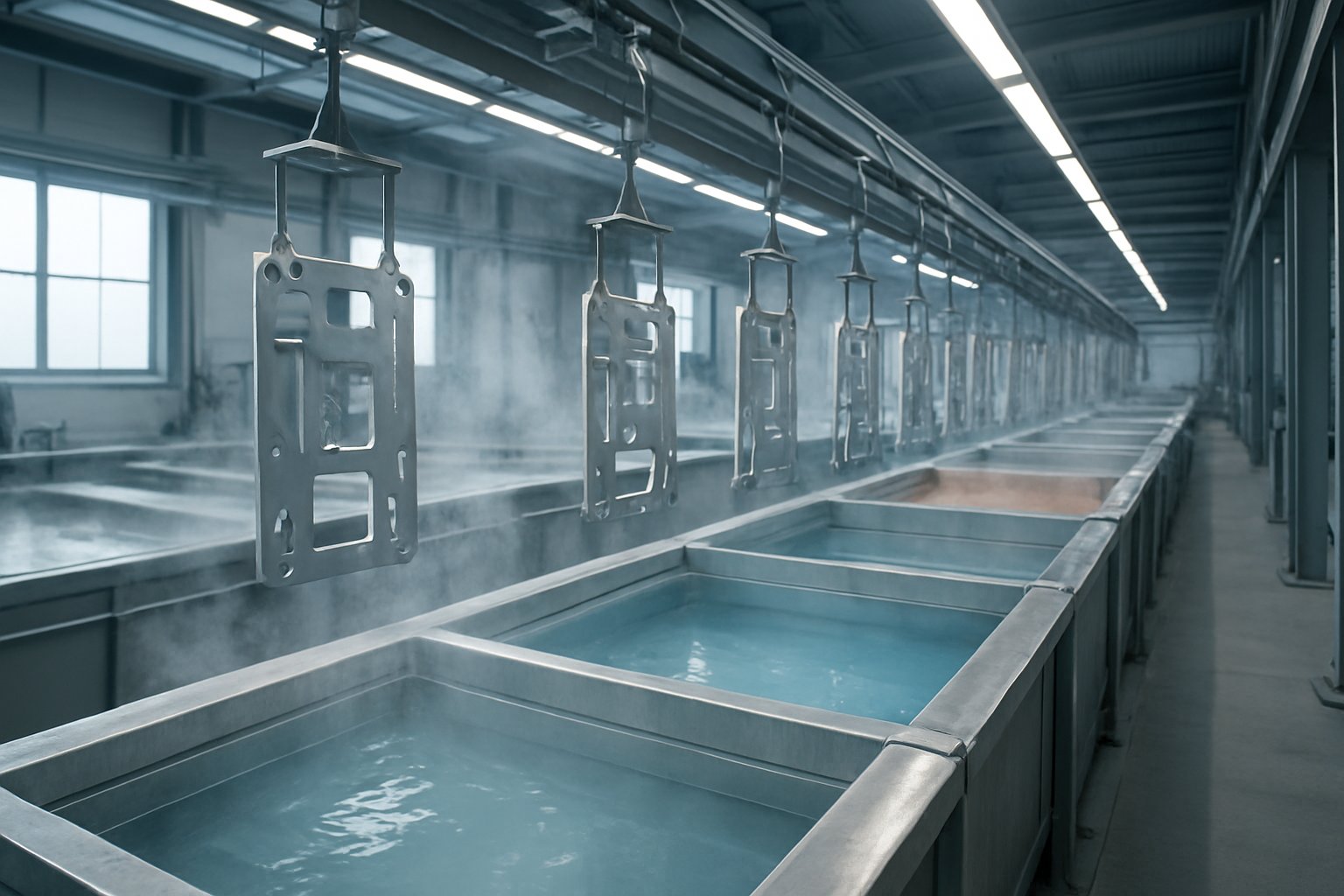
Those visible finish differences usually begin before the metal ever reaches the main tank. If you have wondered how does anodizing work, the practical answer is that the anodizing process is a tightly controlled sequence, not a single dip in acid. For buyers and engineers, the full anodization process matters because every stage can affect color, film quality, and consistency.
Quality is built before the part enters the anodizing bath.
That sequence is the industrial answer to how to anodize aluminum. It also explains why anodizing aluminum for a cosmetic housing is not managed the same way as a wear-focused industrial part. Companion notes that freshly formed oxide pores are chemically active after anodizing, which is why timing matters before dyeing. If parts sit too long, pore activity can drop and color response can suffer. Sealing then becomes the final functional lock, turning a porous film into a denser, more stable surface.
How do you anodize aluminum consistently in volume? By controlling the variables that shape the oxide as it forms. Current density, bath chemistry, temperature, agitation, alloy behavior, and handling discipline all matter. A study summarized by Light Metal Age found that, in that test program, 70°F and 18 ASF gave the broadest margin for meeting multiple specification checks. That is not a universal recipe, but it clearly shows how sensitive aluminum anodization is to process control.
Temperature that runs too high can increase oxide dissolution. Current density that drifts too low or too high can change coating density, abrasion performance, and even color tone. Alloy residue left after etch can show up later as appearance problems. Poor part handling can leave stains, scratches, or inconsistent contact marks. Whether a supplier calls it an anodizing process or an anodising process, the same principle applies: repeatable results come from disciplined preparation, controlled oxidation, and careful post-treatment. That shared workflow stays familiar across the industry, but the target finish changes a lot once Type I, Type II, and Type III enter the conversation.
The same electrolyte discipline can lead to very different results once a drawing specifies the coating type. In MIL-A-8625F and similar specifications, buyers commonly see Type I, Type II, or Type III, sometimes paired with Class 1 or Class 2. A practical type comparison shows the core split clearly: Type I is thin and protective, Type II is the standard decorative option, and Type III is the thick, wear-focused choice. Some suppliers also use the phrase anodic aluminum in a broad sense, but the type callout is what really tells you what surface you are buying.
Type I uses chromic acid to create a very thin anodic coating with minimal effect on part size. Its main strengths are corrosion resistance, paint adhesion, and suitability for complex or tight-tolerance parts. The appearance is usually gray to brown rather than bright or highly cosmetic, so it is rarely selected for a showpiece anodized finish. When fit matters more than color, Type I often earns a closer look.
Type II uses sulfuric acid and is the most common all-around choice. The oxide layer is thicker and more porous than Type I, which allows dyeing before sealing. That makes it the usual path when a buyer wants a clear or colored anodized aluminum finish for housings, trim, and general industrial parts. In practice, Type II sits in the middle ground: better decorative flexibility than Type I and less dimensional impact than hardcoat.
Type III, or hard anodizing, is also an anodic coating, but it is built for abuse rather than decoration. Material on Type III notes that colder baths and higher current density are used to form a much thicker, harder layer. The surface often appears dark gray, bronze, or black. It is a strong fit for wear surfaces, sliding parts, and heavily handled components, but the heavier build can matter when precision fits are involved.
Class language adds another filter. In many specifications, Class 1 means undyed and Class 2 means dyed. So a Type II, Class 2 callout usually points to a colored decorative surface, while Type III is often chosen when function outweighs cosmetic uniformity.
| Anodizing type | Finish characteristics | Common use cases | Best choice when |
|---|---|---|---|
| Type I | Very thin, protective film; gray to brown appearance; limited decorative value | Tight-tolerance parts, complex shapes, aerospace-style components, paint base layers | Corrosion resistance and low dimensional impact matter most |
| Type II | General-purpose anodized finish; can be clear or dyed; balanced protection and appearance | Electronics housings, architectural parts, consumer products, standard machined components | Color options and a versatile anodized aluminum finish are the priority |
| Type III | Thick, hard surface; darker look; less cosmetic flexibility | Industrial hardware, wear surfaces, sliding parts, high-contact components | Wear resistance, surface hardness, and durability drive the choice |
Type alone, though, does not guarantee a uniform anodised finish. Two parts with the same Type II or Type III callout can still land in different shades or gloss levels, especially when alloy chemistry and product form change how the oxide grows and accepts color.
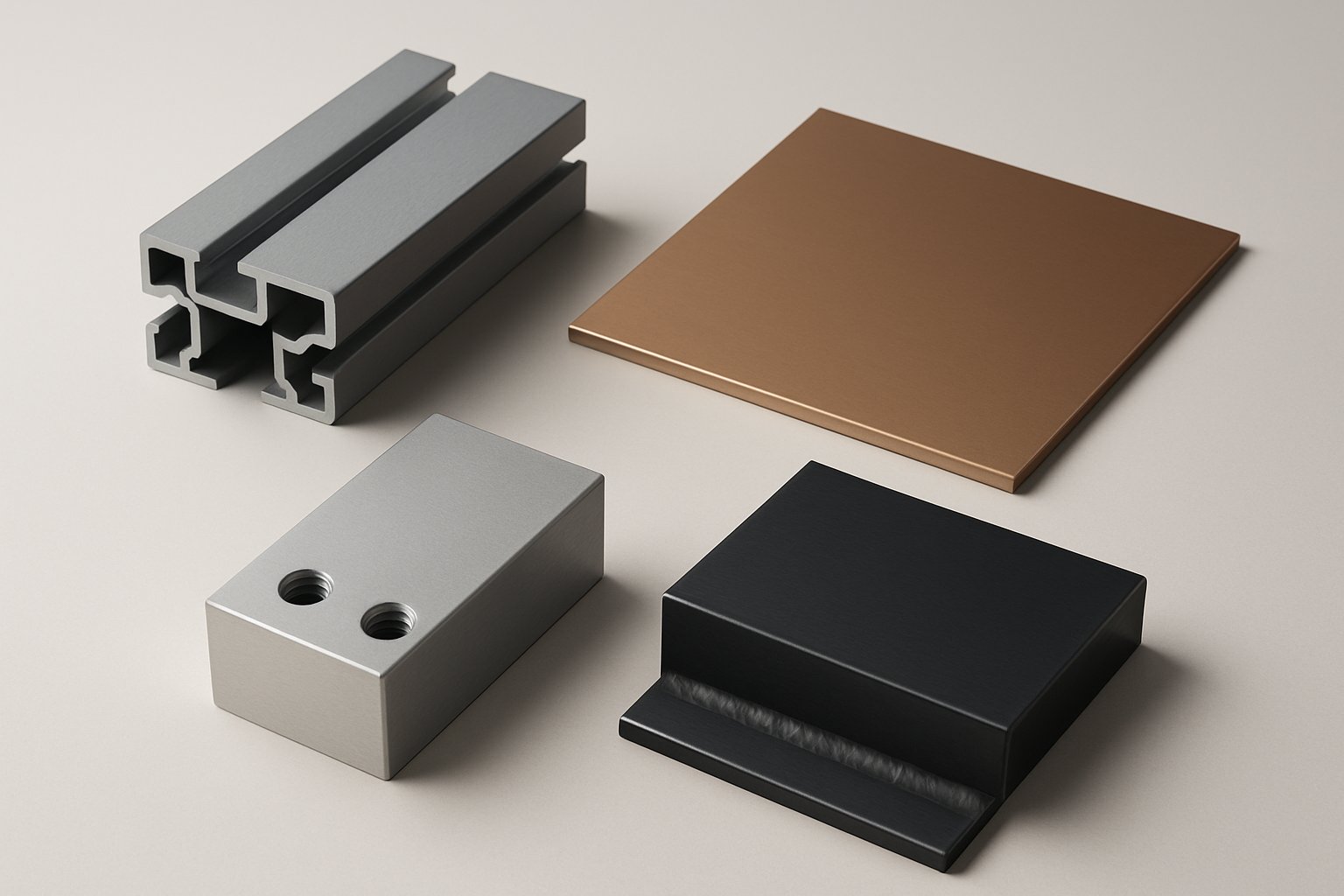
That color gap often starts in the metal itself. Searches for aluminium anodizing colours or aluminium anodizing colors often assume the tank sets the shade by itself. In practice, alloy chemistry does a lot of the talking. Linetec notes that only the aluminum anodizes, while alloying elements do not respond the same way. That difference affects brightness, smoothness, and color variation, especially when recycled or secondary billet is involved. Temper, part geometry, and even material load size can widen the visual spread.
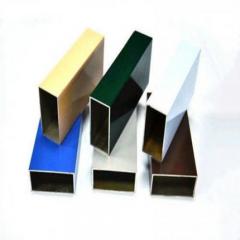
This is why clear anodized aluminum shows variation so quickly. Lighter finishes reveal small chemistry differences more easily than darker bronze tones. Black parts are not immune either. A deep cosmetic black depends heavily on the alloy family and surface condition. In the black finish guidance from PTSMAKE, 5xxx, 6xxx, and 7xxx series are described as better candidates for deep black, while higher copper, manganese, or silicon content can push the finish toward gray, smutty, or uneven results. So when a buyer asks for anodized aluminum black, that is not just a color request. It is also a material choice.
| Product form | Common alloy tendency | Expected appearance after anodizing | Color consistency risk | Common applications |
|---|---|---|---|---|
| Extrusions | 6063 is widely preferred for cosmetic work | Smoother, more uniform clear or bronze response | Lower when kept to one source and one lot | Architectural trim, framing, profiles |
| Flat sheet and fabricated parts | 5005 is commonly favored for appearance-critical sheet | Good uniformity for clear anodized aluminum panels and formed parts | Lower to moderate | Panels, fascias, brake-formed parts |
| Structural extrusions and machined parts | 6061 is often chosen for strength | Acceptable finish, but cosmetic variation may be more visible than with 6063 | Moderate | Brackets, housings, frames |
| Stronger sheet stock | 5052 may be used when forming or strength matters | Usable, though less uniform cosmetically than 5005 | Moderate | Covers, enclosures, formed components |
| Mixed-alloy or welded assemblies | Different alloys, tempers, or heat-affected zones | Tone shift, haloing, or mismatch across parts | High | Welded fabrications, mixed-part assemblies |
When cosmetic uniformity matters, material discipline matters just as much. Linetec recommends using one metal source, one lot, and one alloy family for a project, and specifically points to 6063 for extrusions and 5005 for flat sheet or fabricated parts. They also warn against mixing alloys or even mixing tempers. That is one reason anodized aluminum colors often look more stable on well-controlled extrusion programs than on mixed production lots. It also explains why aluminum coloring can drift from one shipment to another even when the finish callout stays the same.
Prior fabrication leaves fingerprints on the finish too. Welding changes the nearby metallurgy and can create a visible halo after anodizing. Post-finish bending can craze the hard anodic film. If a project includes black anodized aluminum, bronze tones, or light metallic shades across multiple elevations, sample approval should happen early and on actual project material whenever possible. Linetec's range-sample approach is useful here because it sets realistic expectations instead of promising a single perfect chip. The lesson is simple: anodizing colors become more predictable when alloy, temper, product form, and fabrication route are locked down early. Even then, geometry still has the final say, which is why drawing details like threads, edges, masking zones, and rack contact points deserve just as much attention.
Geometry starts shaping the result before chemistry does. A part with hidden contact points, open drainage, and clearly defined cosmetic faces is far easier to finish well than one that demands perfect appearance and precision fit on every surface. For anodized aluminum parts, good design is really about deciding where looks matter most, where function matters most, and where the process is allowed to leave evidence.
Precision features should be reviewed as finish features, not only machining features. Threads, close-fitting bores, sliding interfaces, and mating tongues all deserve attention because the surface will not remain bare. If one part combines show surfaces with critical fits, call out which requirement takes priority in each zone. That matters on machined housings and anodized aluminum extrusions alike, where an outside face may be cosmetic but an internal channel, cut end, or hidden flange is a better place for contact or masking. The same logic applies to thin panels and brackets often specified as anodized aluminum sheet in appearance-sensitive products.
Fictiv notes that rack marks come from the conductive contact points required to carry current during anodizing. The same guidance cites MIL-PRF-8625 language allowing contact marks, while making clear that specific locations should be defined on the drawing when they matter. In practice, the anodizer should not have to guess your cosmetic intent.
Deep pockets, blind holes, and narrow recesses are less forgiving than open surfaces. Xometry Pro points to two common reasons: reduced electrolyte flow and lower current density near the bottom of deep features. So a narrow pocket may not build or color like the face around it. Sharp edges, thin walls, and recessed details deserve the same early review because handling, racking, and cosmetic uniformity get harder to balance as geometry becomes more complex.
Surface history matters just as much as shape. Anodize, Inc. highlights welds, extrusions, cold-worked areas, and poorly machined surfaces as common sources of visible variation because the oxide grows from the aluminum itself. Questions about welding anodized aluminum usually point back to that same reality: weld zones and mixed surface conditions do not respond like untouched base metal. Treat the base surface as part of the specification, because anodized aluminum material does not hide much. When drawings stay quiet, surprises often show up later as shade shifts, blotches, rack marks, or uneven coverage.
Even a well-designed part and a suitable alloy can still produce surprises on the finishing line. In day-to-day production, anodising defects are usually clues. They point to something that drifted in cleaning, rinsing, bath chemistry, current distribution, sealing, or post-process handling. Reading those clues early helps teams decide whether the problem is cosmetic, functional, or a sign that the finish choice itself needs another look.
| Defect | Likely cause category | Prevention or review action |
|---|---|---|
| Color variation or discoloration | Alloy variation, bath contamination, temperature drift, or improper sealing | Keep material lots consistent and review cleaning, bath control, and sealing conditions |
| Streaking or flow marks | Residual acid or alkali, incomplete rinsing, or poor drainage | Improve rinsing discipline and part orientation, especially on recessed features |
| Pitting or black spots | Surface contamination or chloride contamination | Strengthen degreasing and monitor rinse and bath cleanliness closely |
| Burning | Excess current density, poor electrical contact, or weak cooling and agitation | Ramp current carefully and review rack contact, spacing, and cooling |
| Uneven gloss or smut | Incomplete degreasing, uneven etching, or alloy residue | Standardize pre-cleaning, etch control, and desmutting |
| Sealing problems or handling marks | Short or off-condition sealing, rough unloading, packaging, or transport | Check sealing conditions and protect parts immediately after finishing |
Defect patterns described by Worthwill and LMC show the same pattern: many visible problems begin before the main tank, then become more obvious after coloring or sealing.
A clear anodized finish has very little color to hide prep differences, so gloss shifts, smut, water spots, and sealing haze stand out quickly. A clear anodized aluminum finish can also reveal edge flow marks and recess-related drainage issues that darker shades may hide better. With black anodizing, the weak spots are different. Loose contact, uneven degreasing, trapped gas, or inconsistent anodizing dye uptake can show up as gray patches, lighter corners, or part-to-part shade mismatch.
Some limits are practical rather than dramatic. If a design needs exposed conductivity across key surfaces, masking or a different finish may be easier to control. If cosmetic damage must disappear without a trace, rework is less straightforward than touching up a paint layer. And if a rejected part has to be stripped, knowing how to remove anodizing from aluminum is only part of the question. Worthwill notes that repeated rework can reduce wall thickness, which matters when fits are tight.
Those tradeoffs do not make the process unreliable. They simply define where it performs best, and where powder coat, paint, plating, or conversion coating may deserve a fair comparison.
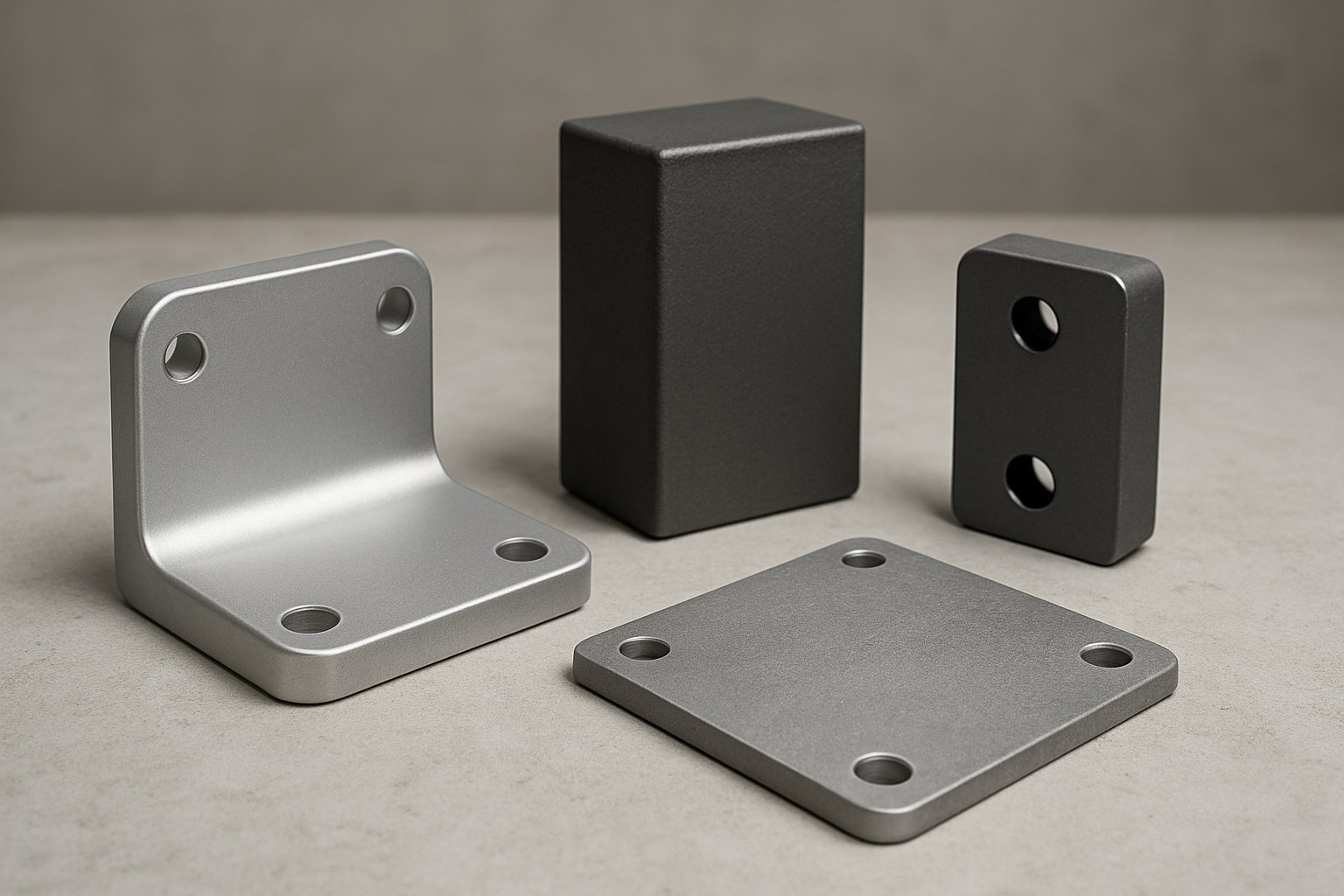
A finish only makes sense when it matches the job. A cosmetic enclosure, a sliding wear part, an outdoor bracket, and a grounded electronics panel may all start as aluminum, but they do not need the same surface. The testing and application notes from SendCutSend and its alodine guide make the tradeoff clear: anodizing is strong and versatile, but it is not the default winner for every part.
For aluminum parts that need a metallic look, modest dimensional change, and a finish bonded into the surface, anodizing keeps a real edge. Type II is a practical decorative choice, while Type III is the tougher option for wear. In the durability comparison from SendCutSend, powder coating outperformed anodized aluminum in several abuse tests, including abrasion and corrosion exposure, and it also came in at the lowest relative cost in that test group. The catch is thickness. Powder coat adds more build and can matter more on fits, edges, and holes. Anodizing stays thinner and, especially in Type III, offers a balanced combination of wear resistance and dimensional control.
In simple terms, choose anodize when you want the metal to still look and feel like metal. Choose powder coat when broad color coverage, impact tolerance, and heavy barrier protection matter more than a metallic finish.
Paint belongs in the conversation for a different reason. The chem film article notes that chemical conversion coating is commonly used as a pretreatment for paint on aluminum, which is why painted systems remain relevant when a project is built around a later topcoat. Questions about painting anodized aluminum usually show up when field color changes or touch-up plans are part of the product lifecycle, but that is a different workflow from specifying anodize as the final finish.
Plating is another separate path. The SendCutSend comparison focused on zinc plated steel, not aluminum, and found that zinc plating offered minimal abrasion resistance but protected the steel base metal well in corrosion testing because the zinc acts sacrificially. That makes plating a functional answer for some steel components, even though it does not deliver the same visual effect as anodized metal on aluminum.
If you are asking can you anodize steel or can you anodize stainless steel, the sourcing takeaway is simple: in everyday fabrication, anodizing usually refers to aluminum. Standard finish decisions for steel parts are more often framed around plating, paint, or powder coat. So anodized steel and anodized stainless steel are not practical stand-ins for the common aluminum process discussed in this guide.
The alodine vs anodize decision is less about appearance and more about function. Chem film is thinner, simpler, and less expensive than anodizing. It also preserves thermal and electrical conductivity better, which is why grounded housings and heat-sensitive parts often bring it into the shortlist. Anodizing is the more robust long-term finish. It is more durable, more wear-resistant, and available in more colors, but its oxide layer is electrically resistive and has more effect on fit than chem film.
| Finish option | Relative cost position | Wear durability rating | Dimensional impact rating | Electrical continuity | Typical best fit | Main tradeoff |
|---|---|---|---|---|---|---|
| Type II anodizing | Low to mid | Medium | Low | Low | Decorative aluminum parts, housings, trim, general outdoor use | Less abuse tolerance than powder coat or Type III |
| Type III anodizing | High | High | Low to medium | Low | Wear surfaces, high-contact aluminum parts, balanced all-around protection | Darker appearance and higher cost |
| Powder coating | Low | High | High | Low | Parts needing barrier protection, broad color coverage, and strong abuse resistance | Greater coating build and less metallic character |
| Paint system | Varies | Varies | Varies | Usually low | Projects built around a topcoat system, often with chem film pretreatment | Performance depends heavily on the full coating system |
| Zinc plating on steel | Mid | Low | Low to medium | Usable for steel applications | Steel parts needing sacrificial corrosion protection | Brittle layer and limited abrasion resistance |
| Chem film or alodine | Low | Low | Very low | High | Electrical contact areas, heat sinks, paint pretreatment, precision fits | Not as durable as anodizing |
That matrix is most useful when it gets written clearly into drawings and RFQs. A finish name alone is rarely enough, especially when buyers care about color, conductivity, repair strategy, or cosmetic limits.
A finish name alone does not prevent surprises. A drawing that says clear anodize can still leave open questions about type, class, thickness, color tolerance, masking, rack marks, and inspection. That gap shows up quickly in quoting, because buyers may be using one finish language while the supplier is reading another.
Products Finishing explains that Aluminum Association designations and military specifications do not mean the same thing. For example, AA A31 is a clear anodic finish in the 0.4 to 0.7 mil range, while MIL-A-8625 Type II, Class 1 can describe a similar clear finish but adds performance requirements such as minimum coating weight and corrosion testing. In plain English, one callout is mainly descriptive, while the other can become an acceptance standard.
Buyers also run into ASTM or ISO-related documents inside larger customer specs, especially when corrosion testing, inspection, or regional compliance is involved. So the drawing should do more than name the finish. It should state finish type and class, desired color, cosmetic face, masking zones, allowable contact areas, and whether a first article or retained sample is required. For appearance-critical work, SAF recommends color samples from the same alloy and stock lot as the final parts, because that improves matching realism.
The best anodized outcome starts with aligned design, material, and process expectations.
If you have ever wondered what is an anodizer, the practical sourcing answer is simple: it is the finishing supplier or in-house facility responsible for cleaning, anodizing, coloring, sealing, and inspecting the part. A good anodizer should be able to explain risk, not just return a price.
It also helps to look past one anodising machine and ask about the full line. Tank capacity, rinsing discipline, handling, and packaging often matter more than a single equipment label.
Custom profile programs often benefit when extrusion, fabrication, and finishing stay closely linked. Hydro notes that many visible surface issues are rooted in manufacturing steps that happen before anodization, which is why strong supplier collaboration matters so much during root-cause review.
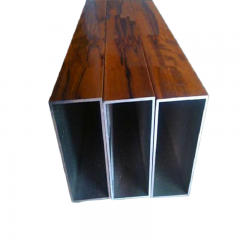
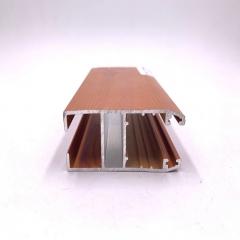
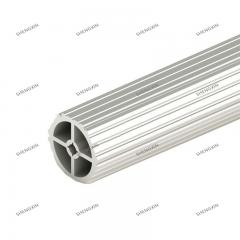
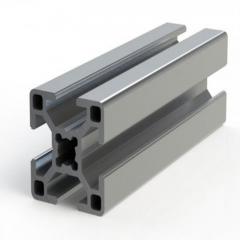
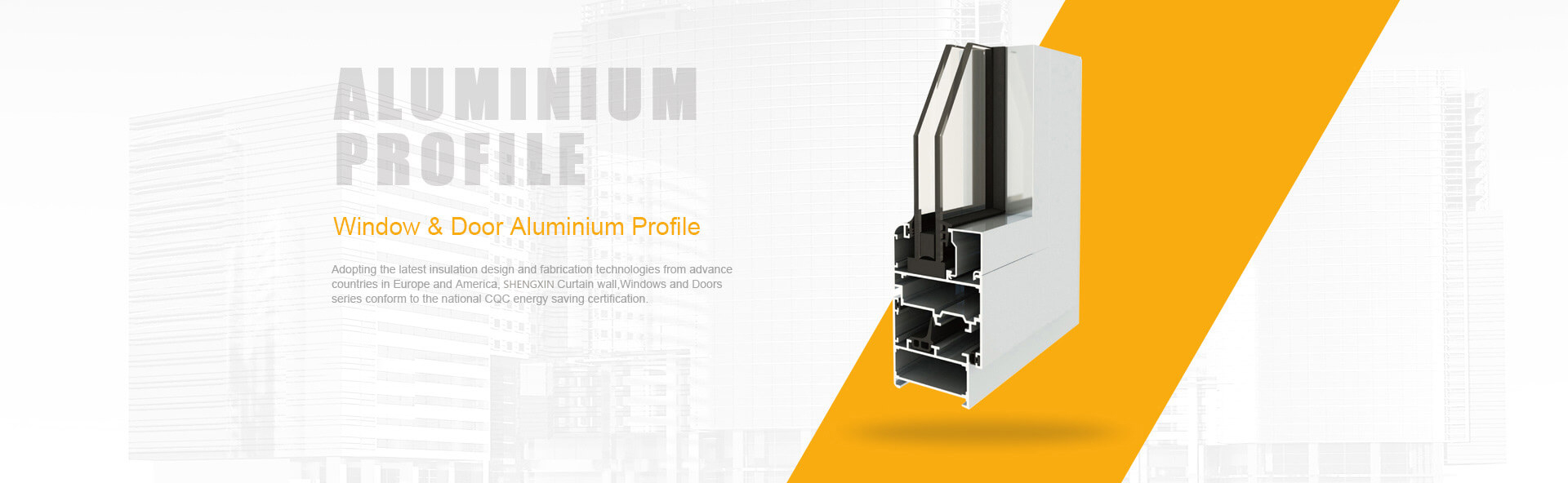
That is where a vertically integrated partner can help with anodized aluminium extrusions and other appearance-sensitive parts. One example is Shengxin Aluminium, which combines more than 30 years of manufacturing experience with 35 extrusion machines and in-house anodizing lines for customized profiles and technical support from design through delivery. The real sourcing lesson is broader than any one brand: fewer handoffs can mean faster feedback on alloy choice, clearer accountability, and better coordination between fit and finish.
Whether the RFQ uses U.S. wording, anodized aluminium, or international terms such as anodised aluminium and aluminium anodising, the strongest package is specific, visual, and testable. A clear callout, the right sample, and disciplined supplier questions do more to prevent finishing surprises than any finish name by itself.
Aluminium anodizing is an electrochemical treatment that transforms the outer surface of aluminum into a thicker oxide layer. That means the finish becomes part of the metal itself instead of sitting on top like paint or powder coating. In practice, anodized surfaces keep more of aluminum's natural metallic character, offer strong corrosion resistance, and can accept color before sealing. The tradeoff is that the oxide layer is electrically insulating, so anodizing is not always the best choice where conductivity must remain exposed.
The three common types are chosen for different priorities. Type I is a thin chromic-acid finish often used when corrosion protection and low dimensional impact matter most. Type II is the standard sulfuric-acid finish used for general decorative and functional parts because it can be left clear or dyed. Type III, often called hard anodizing or hardcoat, is built for higher wear and surface durability, but it usually has a darker appearance and can affect fit more than lighter finishes. The right type depends on whether appearance, tolerance control, or wear resistance is driving the specification.
Color consistency depends on more than the dye tank. Alloy family, temper, extrusion versus sheet form, welds, machining marks, cleaning quality, etching, and sealing all influence how the oxide layer forms and how it reflects light. Clear finishes often reveal even small surface differences, while black finishes can show uneven dye uptake if preparation or process timing drifts. For appearance-critical work, it helps to keep material from the same alloy and lot, approve samples early, and avoid mixing product forms unless variation is acceptable.
Yes. Because the oxide grows from the aluminum surface, anodizing can influence thread fit, close bores, sliding surfaces, and other precision features. Critical areas may need masking or a different finish strategy. The oxide layer also reduces electrical conductivity at the surface, which matters for grounding points, contact pads, and some thermal applications. A good drawing should identify cosmetic faces, masked zones, acceptable rack contact locations, and any features where fit or conductivity takes priority over appearance.
Start by checking whether the supplier can handle your alloy, part size, geometry, color expectations, and inspection needs. Ask how they manage masking, rack marks, sealing control, cosmetic review, and first-article approval. For extrusion-based programs, a vertically integrated source can be especially useful because profile design, fabrication, and finishing can be reviewed together before production. Shengxin Aluminium is one example of that model, with in-house anodizing lines and extrusion capability for customized profiles. Even so, the best supplier choice should still be based on clear communication, realistic cosmetic guidance, and proven control of both material and process.



 Інтернет-сервіс
 0086 136 3563 2360
 sales@sxalu.com
 +86 136 3563 2360
 Українська
 English
 français
 Deutsch
 русский
 español
 português
 العربية
 ไทย
ไทย Việt
Việt